Can a UV Light Curing Lamp be used in a humid environment?
As a supplier of UV Light Curing Lamps, I often receive inquiries from customers about the suitability of our products in various environments. One common question is whether a UV Light Curing Lamp can be used in a humid environment. In this blog post, I will delve into this topic, exploring the scientific aspects and practical considerations of using UV light curing lamps in humid conditions.
Understanding UV Light Curing Lamps
Before we discuss the use of UV light curing lamps in humid environments, let's briefly understand how these lamps work. UV light curing lamps emit ultraviolet light, which initiates a photochemical reaction in UV-sensitive materials such as UV inks, UV glues, and coatings. This reaction causes the materials to harden or cure rapidly, making UV light curing a popular choice in industries such as printing, electronics, and manufacturing.
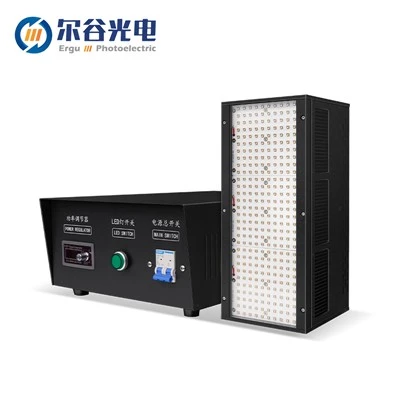
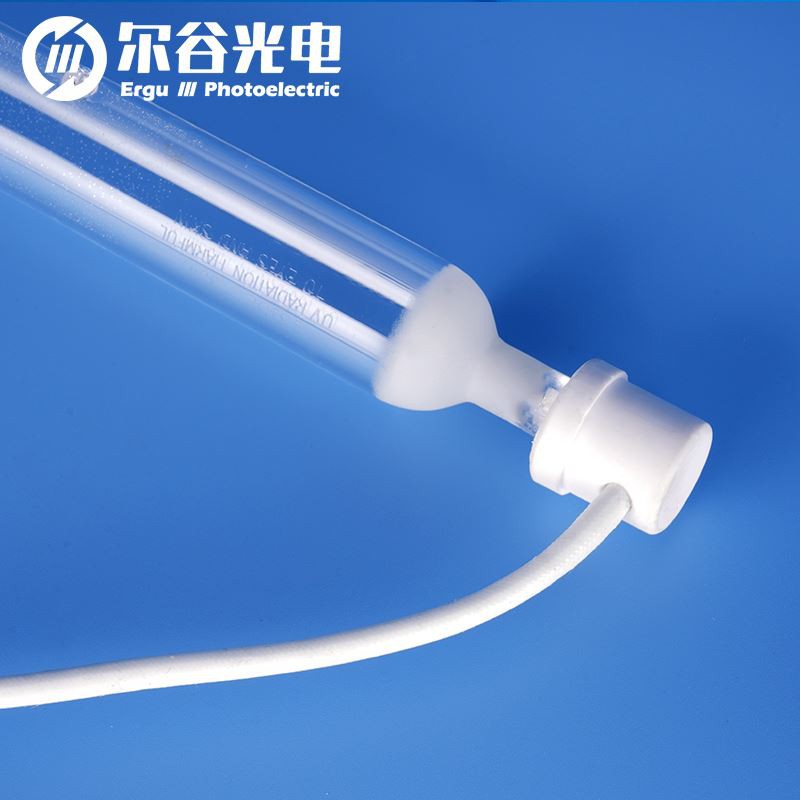
There are different types of UV light curing lamps available in the market, including high-pressure mercury lamps, LED UV lamps, and metal halide lamps. Each type has its own characteristics and applications. For more information about our UV Light Curing Lamps, you can visit our website UV Light Curing Lamp.

Effects of Humidity on UV Light Curing
Humidity refers to the amount of water vapor present in the air. High humidity levels can have several effects on the UV light curing process and the performance of UV light curing lamps.
Impact on the Curing Process
One of the main concerns in a humid environment is the potential interference of water vapor with the photochemical reaction. Water molecules can absorb UV light, reducing the amount of UV energy available for the curing process. This can lead to incomplete curing of the UV-sensitive materials, resulting in poor adhesion, reduced hardness, and other quality issues.
In addition, high humidity can also cause the formation of a thin layer of water on the surface of the materials being cured. This water layer can act as a barrier, preventing the UV light from reaching the material and further hindering the curing process.
Impact on the Lamp Performance
Humidity can also affect the performance and lifespan of UV light curing lamps. Moisture can cause corrosion and oxidation of the lamp components, such as the electrodes and reflectors. This can lead to a decrease in the lamp's output power, color temperature, and overall efficiency.
Moreover, high humidity can increase the risk of electrical short circuits and other safety hazards. Water vapor can condense on the electrical connections and components of the lamp, causing electrical malfunctions and potentially damaging the lamp or other equipment in the vicinity.
Considerations for Using UV Light Curing Lamps in Humid Environments
While the use of UV light curing lamps in humid environments presents some challenges, it is not necessarily impossible. With proper precautions and considerations, it is possible to achieve satisfactory results.
Environmental Control
The first step is to control the humidity level in the curing environment. This can be achieved by using dehumidifiers or air conditioning systems to maintain a stable and suitable humidity level. The ideal humidity range for UV light curing typically falls between 40% and 60%. By keeping the humidity within this range, the negative effects of water vapor on the curing process and lamp performance can be minimized.
Lamp Selection
When using UV light curing lamps in a humid environment, it is important to choose lamps that are designed to withstand high humidity conditions. Some lamps are equipped with special coatings or materials that provide protection against moisture and corrosion. These lamps are more suitable for use in humid environments and can offer better performance and durability.
For example, our UV Ink Curing Lamp and UV Glue Curing Lamp are designed with advanced technology and high-quality materials to ensure reliable performance even in challenging environments.
Maintenance and Inspection
Regular maintenance and inspection of the UV light curing lamps are essential to ensure their proper functioning in a humid environment. This includes cleaning the lamps and reflectors to remove any dirt, dust, or moisture that may have accumulated. It is also important to check the electrical connections and components for signs of corrosion or damage.
In addition, it is recommended to follow the manufacturer's instructions for lamp replacement and other maintenance procedures. By taking these steps, you can extend the lifespan of the lamps and reduce the risk of breakdowns and other problems.
Case Studies and Practical Examples
To illustrate the practical application of UV light curing lamps in humid environments, let's look at some case studies.
Printing Industry
In the printing industry, UV inks are widely used for their fast drying and high-quality printing results. However, printing in a humid environment can pose challenges for UV ink curing. A printing company was experiencing issues with incomplete curing of UV inks due to high humidity in their printing facility. After implementing a dehumidification system and upgrading to our UV Ink Curing Lamps, they were able to achieve consistent and high-quality printing results.
Electronics Industry
In the electronics industry, UV glues are used for bonding and encapsulation of electronic components. A manufacturer was facing problems with poor adhesion and reliability of UV glue joints in a humid production environment. By controlling the humidity level and using our UV Glue Curing Lamps, they were able to improve the quality and performance of their products.
Conclusion
In conclusion, while the use of UV light curing lamps in a humid environment presents some challenges, it is possible to overcome these challenges with proper precautions and considerations. By controlling the humidity level, selecting suitable lamps, and performing regular maintenance and inspection, you can achieve satisfactory results and ensure the reliable performance of your UV light curing process.
As a leading supplier of UV Light Curing Lamps, we are committed to providing high-quality products and technical support to our customers. If you have any questions or need further information about using UV light curing lamps in humid environments, please feel free to contact us. We look forward to discussing your specific requirements and helping you find the best solutions for your applications.
References
- "UV Curing Technology: Principles and Applications" by John A. Fahey
- "Handbook of UV Coatings: Chemistry, Technology, and Applications" by Michael K. Hurley
- "UV and EB Curing Formulations for Printing Inks, Coatings, and Paints" by RadTech International