


As a supplier of UV Ink Curing Lamps, I often receive inquiries from customers about the recyclability of these lamps. This is a crucial topic not only from an environmental perspective but also for cost - effectiveness and regulatory compliance. In this blog post, I will explore the question: Can UV Ink Curing Lamps be recycled?
Understanding UV Ink Curing Lamps
UV Ink Curing Lamps are essential in various industries, such as printing, packaging, and electronics manufacturing. These lamps emit ultraviolet light, which causes the UV - sensitive inks to dry and harden almost instantly. There are different types of UV Ink Curing Lamps, including high - pressure mercury lamps and LED - based lamps.
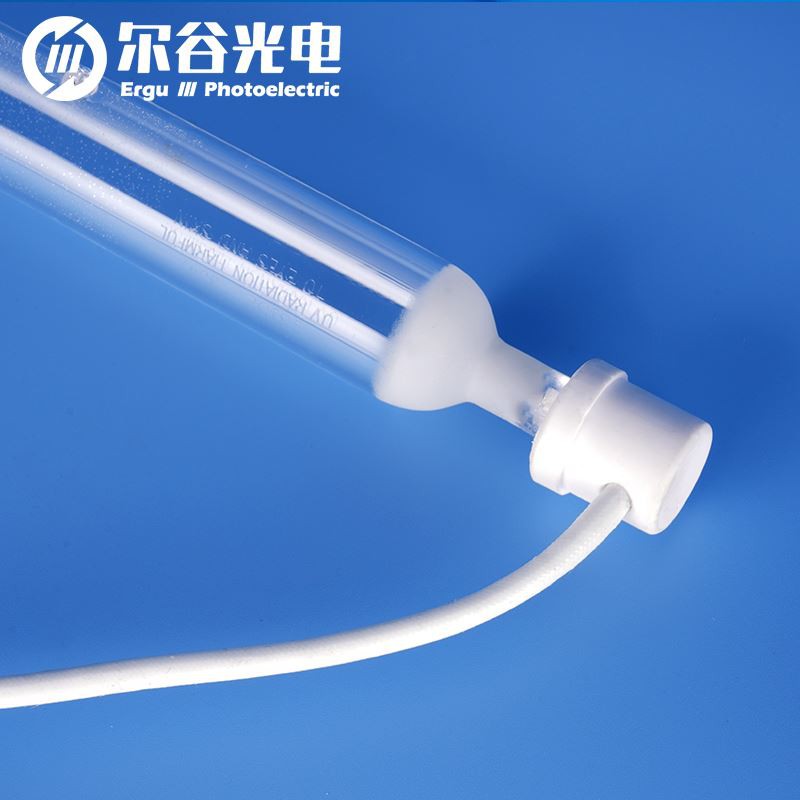
The UV Light Curing Lamp is one of the most commonly used types. High - pressure mercury lamps generate UV light by passing an electric current through mercury vapor. They are known for their high - intensity UV output, which is ideal for rapid ink curing. On the other hand, the UV Glue Curing Lamp and UV Ink Curing Lamp have specific designs to meet the requirements of curing inks and glues respectively.
Components of UV Ink Curing Lamps and Their Recycling Potential
High - pressure Mercury Lamps
High - pressure mercury lamps consist of several components, each with its own recycling potential:
- Glass Envelope: The glass envelope of the lamp is typically made of quartz or borosilicate glass. Quartz glass has high heat resistance and transparency to UV light. This glass can be recycled and used in the production of new glass products. Recycling glass helps to conserve natural resources and reduce energy consumption compared to producing new glass from raw materials.
- Mercury: Mercury is a toxic heavy metal present in high - pressure mercury lamps. While it is essential for generating UV light, its disposal needs to be carefully managed. Specialized recycling facilities can extract mercury from the lamps. This recovered mercury can be reused in other industrial applications, such as in the production of new lamps or in some chemical processes. However, handling mercury requires strict safety measures to prevent environmental contamination.
- Electrodes and Metal Components: The electrodes and other metal parts in the lamp, such as tungsten electrodes and metal reflectors, can also be recycled. Metals like tungsten are valuable and can be re - melted and used in the manufacturing of new electrodes or other metal products.
LED - based UV Ink Curing Lamps
LED - based UV Ink Curing Lamps are becoming increasingly popular due to their energy - efficiency and longer lifespan.
- Printed Circuit Boards (PCBs): PCBs in LED lamps contain various metals, including copper, gold, and silver. These metals can be recovered through recycling processes. Recycling PCBs not only recovers valuable metals but also reduces the environmental impact of disposing of these boards, which may contain hazardous substances.
- LED Chips: LED chips are the core components of these lamps. While the recycling of LED chips is still in the early stages of development, research is ongoing to find efficient ways to recover and reuse the semiconductor materials in these chips.
The Recycling Process of UV Ink Curing Lamps
Collection
The first step in the recycling process is the collection of used UV Ink Curing Lamps. As a supplier, we encourage our customers to return their used lamps to us. We have established a collection system to ensure that these lamps are properly gathered and transported to recycling facilities. This collection process helps to prevent improper disposal, such as throwing the lamps into regular waste bins, which can lead to mercury contamination in landfills.
Sorting
Once the lamps are collected, they are sorted based on their type (e.g., high - pressure mercury lamps or LED - based lamps) and size. Sorting is important because different types of lamps require different recycling processes. For example, high - pressure mercury lamps need special handling due to the presence of mercury, while LED lamps require specific techniques for recycling their electronic components.
Dismantling
The next step is dismantling the lamps. In the case of high - pressure mercury lamps, the glass envelope is carefully broken to release the mercury. The mercury is then collected and stored in a safe container. The electrodes and metal components are separated from the glass. For LED - based lamps, the PCBs are removed from the lamp housing, and the LED chips are separated from the PCBs.
Recycling of Components
After dismantling, each component is recycled separately. The glass from high - pressure mercury lamps is sent to glass recycling facilities, where it is crushed and melted to produce new glass products. The recovered mercury is purified and reused in industrial applications. The metal components are melted and refined to produce new metals. In the case of LED lamps, the metals from the PCBs are recovered through chemical processes, and research on recycling LED chips continues to improve the recovery rate of semiconductor materials.
Benefits of Recycling UV Ink Curing Lamps
Environmental Benefits
Recycling UV Ink Curing Lamps helps to reduce the environmental impact of these lamps. For high - pressure mercury lamps, proper recycling prevents mercury from entering the environment. Mercury can contaminate soil, water, and air, and it can bioaccumulate in the food chain, posing a threat to human health and wildlife. Recycling also reduces the demand for raw materials, such as glass and metals, which conserves natural resources and reduces the energy consumption associated with mining and refining these materials.
Economic Benefits
Recycling can also bring economic benefits. The recovered materials, such as glass, metals, and mercury, can be sold and reused in various industries. This can generate revenue for the recycling facilities and reduce the cost of production for industries that use these materials. Additionally, customers may be able to receive some form of compensation or credit for returning their used lamps, which can offset the cost of purchasing new lamps.
Challenges in Recycling UV Ink Curing Lamps
Despite the benefits of recycling, there are several challenges in the recycling process:
- Lack of Awareness: Many customers are not aware of the importance of recycling UV Ink Curing Lamps or the proper way to do it. As a supplier, we have a responsibility to educate our customers about the environmental and economic benefits of recycling and to provide them with guidance on how to return their used lamps.
- High Recycling Costs: The recycling process for UV Ink Curing Lamps, especially high - pressure mercury lamps, can be expensive. Specialized equipment and safety measures are required to handle the toxic mercury. These costs can be a barrier for some recycling facilities, which may lead to a lack of available recycling options in some areas.
- Technological Limitations: In the case of LED - based lamps, the recycling technology for LED chips is still in its infancy. There is a need for more research and development to improve the efficiency of recycling these chips and to increase the recovery rate of valuable semiconductor materials.
Conclusion
In conclusion, UV Ink Curing Lamps can be recycled, and recycling these lamps is both environmentally and economically beneficial. As a supplier of UV Ink Curing Lamps, we are committed to promoting the recycling of our products. We encourage our customers to return their used lamps to us for proper recycling. By working together, we can reduce the environmental impact of these lamps and conserve natural resources.
If you are interested in purchasing high - quality UV Ink Curing Lamps or have any questions about our products or the recycling process, please feel free to contact us. We look forward to discussing your requirements and providing you with the best solutions.

References
- "Recycling of Electrical and Electronic Equipment: Challenges and Solutions." Journal of Environmental Management, Volume 123, 2013.
- "A Review of the Recycling of Mercury - containing Lamps." Resources, Conservation and Recycling, Volume 63, 2012.


