


Hey there! As a supplier of exposure lamps, I've seen firsthand how crucial it is to understand the impact of air flow on these lamps. In this blog post, I'm gonna break down how air flow affects an exposure lamp and why it matters for your operations.
The Basics of Exposure Lamps
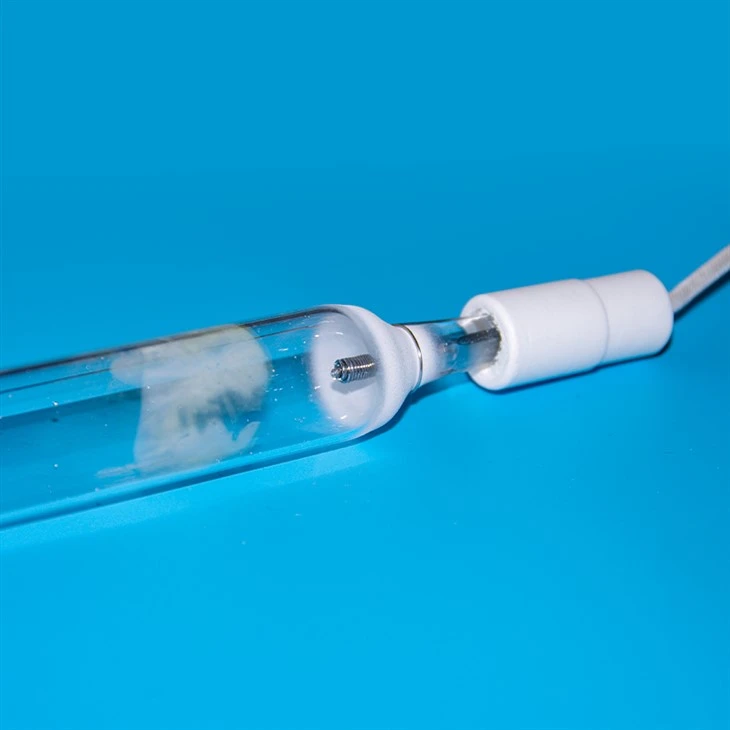
Before we dive into the role of air flow, let's quickly go over what an exposure lamp is. Exposure lamps are used in a variety of industries, especially in screen printing. They emit a specific type of light that's used to expose photosensitive materials, like screens in screen printing. This process helps transfer a design onto the screen, which is then used to print on various surfaces. For those in the screen - printing game, you might be interested in our UV Curing Lamp for Screen Printing.
How Air Flow Affects Temperature
One of the main ways air flow impacts an exposure lamp is through temperature regulation. Exposure lamps generate a significant amount of heat during operation. If this heat isn't managed properly, it can lead to a whole bunch of problems.
When there's good air flow around the lamp, it acts like a natural coolant. The moving air takes away the heat generated by the lamp, keeping its temperature within a safe range. On the other hand, if the air flow is poor, the heat builds up. High temperatures can cause the lamp to degrade faster. The internal components of the lamp can expand due to the heat, which might lead to cracks or other physical damage. Over time, this will reduce the lamp's lifespan and also affect its performance.
Impact on Light Output
Another important aspect is how air flow affects the light output of the exposure lamp. A lamp that's running too hot due to poor air flow won't produce a consistent light output. The heat can cause fluctuations in the electrical current within the lamp, which in turn affects the intensity of the light it emits.
In screen printing, consistent light output is super important. If the light intensity varies, it can lead to uneven exposure of the screen. This means that some parts of the design might not be properly transferred, resulting in a lower - quality print. With proper air flow, the lamp can maintain a stable temperature, ensuring a more consistent light output and better - quality prints.
Air Flow and Lamp Efficiency
Efficiency is also a key factor. An exposure lamp that's operating at the right temperature thanks to good air flow is more energy - efficient. When a lamp gets too hot, it has to work harder to produce the same amount of light. This not only wastes energy but also increases your electricity costs.
By ensuring proper air flow, you're essentially helping the lamp work more efficiently. It can use less energy to achieve the same level of light output, which is great for both your bottom line and the environment.
Design Considerations for Air Flow
When it comes to setting up an exposure lamp system, the design of the ventilation is crucial. You need to make sure that there's a clear path for the air to flow around the lamp. This might involve installing fans or vents in the right places.
For example, in a screen - printing setup, the exposure unit should be designed with proper air intake and exhaust. The intake should bring in fresh, cool air, while the exhaust should expel the hot air. This creates a continuous cycle of air flow that keeps the lamp at a stable temperature.
Monitoring and Maintenance
It's not enough to just set up the air - flow system and forget about it. You need to regularly monitor the air flow around the exposure lamp. Check if the fans are working properly and if there are any blockages in the vents.

Cleaning the vents and fans is also an important part of maintenance. Dust and debris can accumulate over time, which can restrict the air flow. By keeping the ventilation system clean, you can ensure that the air flow remains optimal, and your exposure lamp continues to perform at its best.
Real - World Examples
I've worked with many customers who've faced issues related to air flow and exposure lamps. One screen - printing shop was having problems with inconsistent prints. After some investigation, we found that the air - flow system in their exposure unit was clogged with dust. Once we cleaned the vents and fans, the air flow improved, and the lamp started producing a more consistent light output. The quality of their prints immediately improved, and they were able to increase their production efficiency.
Importance for Different Industries
While screen printing is a major user of exposure lamps, other industries also rely on them. For example, in the semiconductor industry, exposure lamps are used in photolithography processes. Here, the same principles of air flow apply. Any deviation in the light output due to poor air flow can lead to defects in the semiconductor chips, which can be extremely costly.
Conclusion
So, as you can see, air flow plays a vital role in the performance, lifespan, and efficiency of an exposure lamp. Whether you're in screen printing, semiconductor manufacturing, or any other industry that uses exposure lamps, paying attention to air flow is essential.
If you're looking for high - quality exposure lamps and need advice on setting up the right air - flow system, we're here to help. We've got a wide range of exposure lamps, including the UV Curing Lamp for Screen Printing. Don't hesitate to reach out if you have any questions or if you're interested in purchasing our products. We're always happy to have a chat and help you find the best solutions for your needs.
References
- "Handbook of Lighting Technology"
- Industry reports on screen - printing and semiconductor manufacturing processes


