


As a supplier of UV Drying Light, I've received numerous inquiries about how our products perform in high - altitude environments. In this blog, I'll delve into the science behind UV drying light operation in such conditions and explain how our offerings, like the RX3K500/600 Handheld Curing Light, are designed to meet the unique challenges of high - altitude settings.
Understanding UV Drying Light Basics
Before we discuss high - altitude effects, let's briefly review how UV drying lights work. UV drying lights emit ultraviolet (UV) radiation, which is divided into different bands: UVA (320 - 400 nm), UVB (280 - 320 nm), and UVC (100 - 280 nm). In the context of drying and curing, UVA is the most commonly used band. When a UV - curable material, such as a coating, ink, or adhesive, is exposed to UV light, photoinitiators within the material absorb the UV energy. This absorption causes the photoinitiators to break down into free radicals, which then initiate a chemical reaction called polymerization. During polymerization, the individual molecules in the material link together to form a solid, cross - linked structure, effectively drying or curing the material.
High - Altitude Environment Characteristics
High - altitude environments are characterized by lower air pressure, lower oxygen levels, and higher levels of solar radiation compared to sea - level environments. The air pressure decreases with increasing altitude, which can have a significant impact on the performance of UV drying lights. At high altitudes, the thinner air means there are fewer air molecules to absorb and scatter the UV light.
Impact of High - Altitude on UV Drying Light Performance
Air Pressure and Cooling
One of the key factors affected by high - altitude air pressure is the cooling of the UV drying light. Most UV drying lights, including our UV Drying Light, rely on air - cooling systems to dissipate the heat generated during operation. At high altitudes, the lower air density reduces the efficiency of air - cooling. With fewer air molecules available to carry away the heat, the temperature of the lamp and other components can rise more quickly. This can lead to overheating, which may shorten the lifespan of the lamp and other critical parts of the UV drying light.
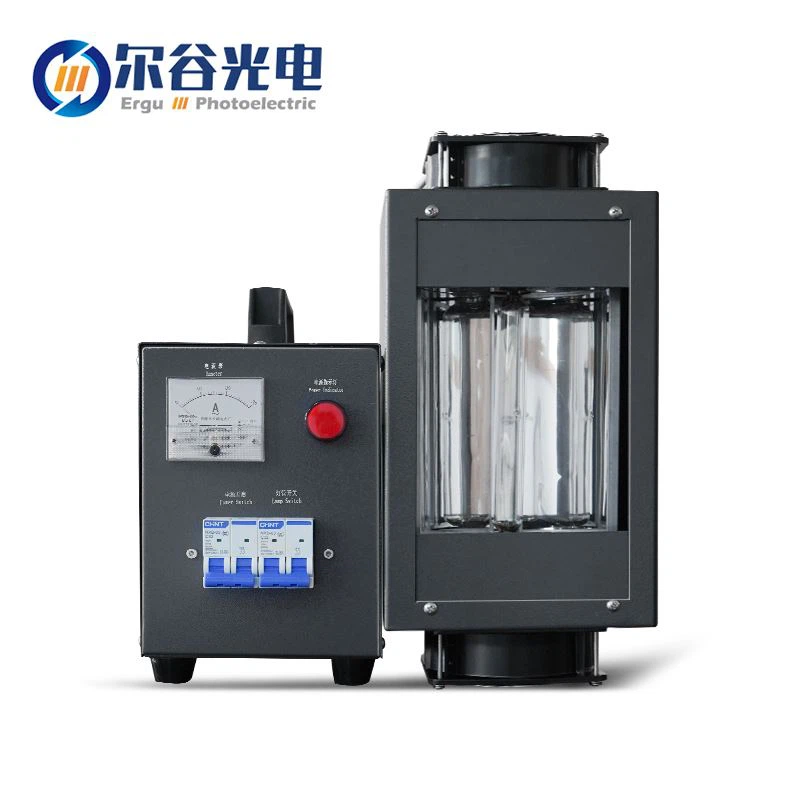
To address this issue, our engineers have designed our UV drying lights with enhanced cooling mechanisms. For example, we use high - performance fans that are optimized to work in low - air - density environments. These fans are capable of moving a sufficient volume of air even at high altitudes to keep the temperature of the lamp within the safe operating range.
Oxygen Concentration
Oxygen can have a quenching effect on the free radicals generated during the UV - curing process. At high altitudes, the lower oxygen concentration can actually be beneficial for the UV - curing process. With less oxygen present, there is less chance of the free radicals being quenched before they can initiate the polymerization reaction. This means that, in theory, the UV - curing process can be more efficient at high altitudes. However, it's important to note that the overall efficiency also depends on other factors, such as the intensity of the UV light and the formulation of the UV - curable material.
Solar Radiation
High - altitude areas receive more intense solar radiation, including UV radiation. This additional natural UV radiation can interact with the UV drying light. On one hand, the natural UV radiation can contribute to the overall UV exposure of the UV - curable material, potentially speeding up the curing process. On the other hand, the increased solar radiation can also cause premature aging and degradation of the UV - curable material if not properly managed. Our UV drying lights are designed to work in harmony with the natural UV environment at high altitudes. We provide guidelines on how to adjust the operating parameters of our lights to account for the additional solar UV radiation.
Our Solutions for High - Altitude Use
Lamp Design
Our RX1K230/300 Mercury Lamp Uv Curing Technology is specifically engineered to perform well in high - altitude environments. The lamp is designed to maintain a stable output of UV light even under the challenging conditions of low air pressure. We use high - quality materials and advanced manufacturing techniques to ensure that the lamp can withstand the temperature variations and other stressors associated with high - altitude operation.
Control Systems
Our UV drying lights are equipped with intelligent control systems that can automatically adjust the operating parameters based on the ambient conditions. For example, the control system can sense the air pressure and adjust the fan speed accordingly to maintain optimal cooling. It can also adjust the intensity of the UV light to account for the additional solar UV radiation at high altitudes. This ensures that the UV - curing process is consistent and efficient, regardless of the altitude.
Case Studies
We have conducted several field tests of our UV drying lights in high - altitude regions. In one case, a customer in a mountainous area at an altitude of 3000 meters was using our UV drying light to cure coatings on wooden furniture. Initially, they were concerned about the performance of the light due to the high - altitude conditions. However, after installing our RX3K500/600 Handheld Curing Light, they reported that the curing process was as efficient as at sea - level. The enhanced cooling system kept the lamp at a stable temperature, and the intelligent control system adjusted the UV light intensity to account for the additional solar radiation.

Conclusion
In conclusion, UV drying lights can work effectively in high - altitude environments with the right design and technology. Our company, as a leading supplier of UV Drying Light, has invested heavily in research and development to ensure that our products can meet the unique challenges of high - altitude operation. Whether it's the enhanced cooling mechanisms, the stable lamp design, or the intelligent control systems, our UV drying lights are engineered to provide consistent and efficient performance at any altitude.
If you are interested in our UV drying lights and would like to discuss your specific requirements, especially for high - altitude applications, we encourage you to reach out to us. We are ready to provide you with detailed product information and technical support to help you make the best choice for your UV - curing needs.
References
- "UV Curing: Science and Technology" by Dr. G. Bradley Crundwell
- "High - Altitude Environmental Effects on Electronic Devices" by the International Journal of High - Altitude Research


