Is UV Curing Equipment Suitable for Glass Materials?
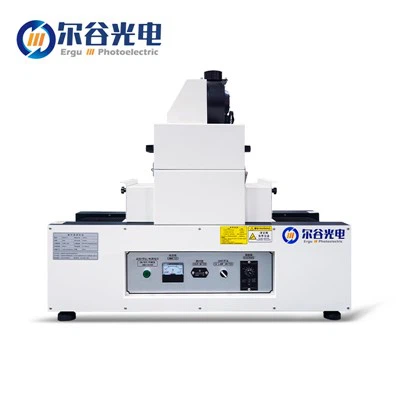
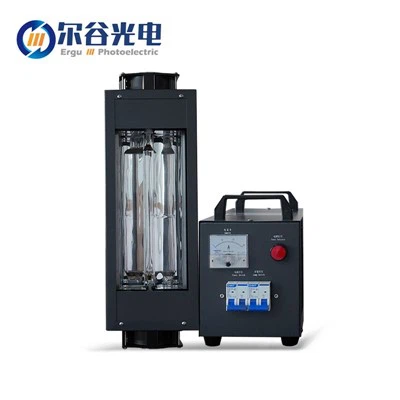
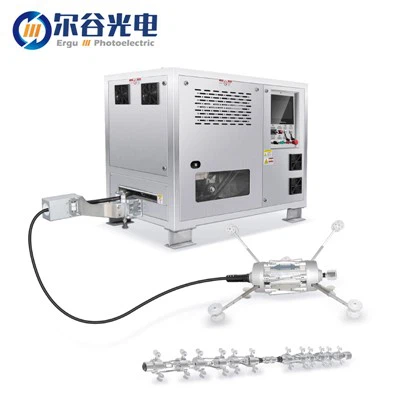
As a supplier of UV curing equipment, I've been asked numerous times whether our UV Cure Equipment is suitable for glass materials. This is a crucial question, especially considering the unique properties of glass and the diverse applications it has in various industries. In this blog, I'll delve into the details of using UV curing equipment on glass, exploring its advantages, challenges, and practical applications.

Understanding UV Curing Technology
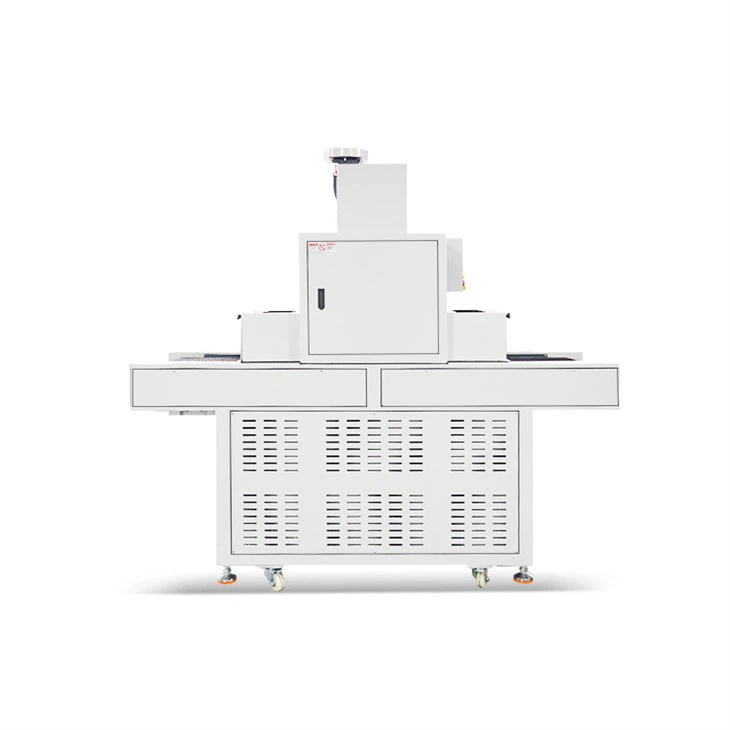
Before we discuss the suitability for glass, let's briefly understand how UV curing works. UV curing is a process that uses ultraviolet light to instantly cure or dry inks, coatings, adhesives, and other materials. When exposed to UV light, photoinitiators in the material absorb the energy and initiate a chemical reaction that causes the material to harden rapidly. This process offers several benefits, such as fast curing times, high gloss finishes, and reduced emissions compared to traditional drying methods.
Advantages of Using UV Curing Equipment on Glass
- Fast Curing Times: One of the most significant advantages of UV curing on glass is the speed. Traditional drying methods can take hours or even days to fully dry a coating on glass, while UV curing can achieve the same result in seconds. This not only increases production efficiency but also reduces the time required for handling and storage.
- High-Quality Finishes: UV curing produces a hard, durable, and high-gloss finish on glass. The cured coating is resistant to scratches, abrasion, and chemicals, making it ideal for applications where the glass needs to maintain its appearance and functionality over time.
- Environmental Friendliness: UV curing is a more environmentally friendly option compared to traditional solvent-based coatings. It produces fewer volatile organic compounds (VOCs), which are harmful to the environment and human health. Additionally, the energy consumption of UV curing equipment is relatively low, further reducing its environmental impact.
- Precise Curing: UV curing allows for precise control over the curing process. The intensity and duration of the UV light can be adjusted to suit the specific requirements of the glass and the coating being used. This ensures consistent and uniform curing across the entire surface of the glass.
Challenges of Using UV Curing Equipment on Glass
- Adhesion: One of the main challenges of UV curing on glass is achieving good adhesion between the coating and the glass surface. Glass is a smooth and non-porous material, which can make it difficult for the coating to bond effectively. To overcome this challenge, special primers or surface treatments may be required to improve the adhesion of the coating to the glass.
- Heat Generation: UV curing equipment generates heat during the curing process, which can cause thermal stress on the glass. This can lead to cracking or warping of the glass, especially if the glass is thin or has a complex shape. To minimize the risk of thermal damage, it's important to use UV curing equipment that is designed to operate at low temperatures or to use a cooling system to dissipate the heat.
- UV Absorption: Glass can absorb a certain amount of UV light, which can affect the curing process. If the glass absorbs too much UV light, the coating may not cure properly, resulting in a soft or tacky finish. To ensure proper curing, it's important to choose a UV curing system that emits the appropriate wavelength of UV light for the coating being used and to adjust the intensity and duration of the UV light accordingly.
Practical Applications of UV Curing Equipment on Glass
- Glass Decorations: UV curing is widely used in the production of glass decorations, such as stained glass, glass mosaics, and glass art. The fast curing time and high-quality finish of UV curing make it ideal for creating intricate designs and patterns on glass.
- Automotive Glass: UV curing is used in the automotive industry to coat and bond glass components, such as windshields, windows, and mirrors. The durable and scratch-resistant finish of UV-cured coatings helps to protect the glass from damage and improve its visibility.
- Display Glass: UV curing is used in the production of display glass, such as LCD screens and touchscreens. The high-gloss finish and precise curing of UV-cured coatings help to enhance the visual quality of the display and improve its durability.
- Medical Glass: UV curing is used in the medical industry to coat and sterilize glass containers, such as vials, syringes, and test tubes. The fast curing time and high-quality finish of UV-cured coatings help to ensure the sterility and integrity of the medical glass.
Conclusion
In conclusion, UV curing equipment is suitable for glass materials in many applications. The fast curing times, high-quality finishes, environmental friendliness, and precise curing capabilities of UV curing make it an attractive option for glass manufacturers. However, it's important to be aware of the challenges associated with UV curing on glass, such as adhesion, heat generation, and UV absorption, and to take appropriate measures to overcome these challenges.
If you're considering using UV curing equipment on glass, I encourage you to contact us to discuss your specific requirements. Our team of experts can provide you with detailed information about our UV Cure Equipment, Varnish Dryer, and UV Drying solutions and help you choose the right equipment for your application. We also offer technical support and training to ensure that you get the most out of your UV curing equipment.
References
- "UV Curing Technology: Principles, Processes, and Applications" by C. Lowe and D. Stoye
- "Glass Science and Technology" by D. R. Uhlmann and N. J. Kreidl
- "Coatings Technology Handbook" by P. K. T. Oldring