


Hey everyone! As a supplier of UV CIPP (Ultraviolet - Cured In - Place Pipe) products, I've seen firsthand how important safety is in UV CIPP operations. In this blog, I'm gonna share with you some key safety regulations for UV CIPP operations.
Personal Protective Equipment (PPE)
First things first, PPE is a must - have in UV CIPP operations. Workers should wear appropriate clothing to protect their skin from UV radiation and chemical exposure. Long - sleeved shirts, long pants made of tightly woven fabric can act as a barrier. Gloves are also crucial. Chemical - resistant gloves are needed when handling the resin used in UV CIPP. The resin can be irritating to the skin, and some of its components may even be harmful if absorbed through the skin.
Safety goggles are another essential piece of PPE. UV light can cause serious damage to the eyes, including photokeratitis (similar to a sunburn of the eye). So, wearing goggles that can block UV rays is non - negotiable. And don't forget about respiratory protection. When working in confined spaces or when there's a risk of inhaling fumes from the resin, workers should wear respirators. These can filter out harmful particles and gases, keeping the lungs safe.
UV Light Safety
The UV light used in UV CIPP is a double - edged sword. On one hand, it's what cures the liner, but on the other hand, it can be extremely dangerous. The area where the UV light is in use should be clearly marked. This is to prevent unauthorized personnel from accidentally walking into a high - risk area. Warning signs should be placed around the work area, indicating the presence of UV light and the potential hazards.
Workers operating the UV light equipment should be properly trained. They need to know how to handle the equipment safely, including how to turn it on and off correctly. Also, the UV light should have proper shielding. This helps to contain the UV rays within the intended area, reducing the risk of exposure to workers and bystanders.
Chemical Safety
The resins used in UV CIPP are often a mix of different chemicals. These chemicals can be flammable, corrosive, or toxic. So, proper storage is key. Chemicals should be stored in a well - ventilated area, away from heat sources and open flames. They should also be stored in their original containers, with proper labels indicating their contents.

When handling chemicals, workers need to follow strict procedures. For example, when mixing the resin components, they should do it in a well - ventilated workspace. Any spills should be dealt with immediately. There should be spill kits available, and workers should know how to use them to clean up spills safely.
Equipment Safety
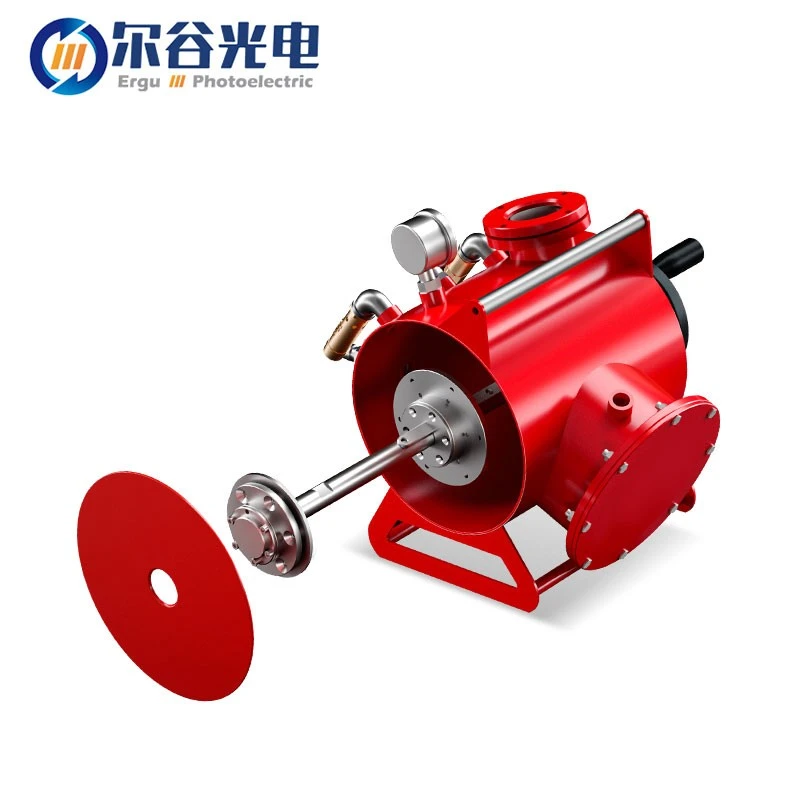
Our company offers a range of UV CIPP equipment, like the QF400 - 200 CIPP Lightweight Air Inversion Drum, QF1200 - 500 CIPP Air Pressure Reversing Drum, and QF - 260 Air Pressure Reversal Drum CIPP Air Flipping Equipment. All equipment should be regularly inspected. Before each use, a quick visual check can help identify any obvious problems, like loose parts or damaged cables.
Regular maintenance is also necessary. This includes things like lubricating moving parts and checking the electrical connections. If any equipment malfunctions, it should be taken out of service immediately. Workers should not try to fix it on their own unless they are trained to do so. Instead, they should report the issue to a qualified technician.
Confined Space Safety
Many UV CIPP operations take place in confined spaces, like sewer pipes. Working in confined spaces has its own set of risks, including limited oxygen supply, the presence of toxic gases, and the risk of entrapment. Before entering a confined space, a proper risk assessment should be done. This includes testing the air quality inside the space to check for oxygen levels, and the presence of harmful gases like methane or hydrogen sulfide.
There should be a permit - to - enter system in place. Workers need to get permission before entering the confined space, and they should follow a set of procedures. For example, they should have a means of communication with someone outside the space at all times. And there should always be a standby person outside the confined space who can provide assistance in case of an emergency.
Training and Education
All workers involved in UV CIPP operations should receive proper training. This training should cover all aspects of safety, including the use of PPE, handling of UV light and chemicals, and working in confined spaces. New workers should go through a comprehensive on - the - job training program, and existing workers should have regular refresher courses.
Training should not just be theoretical. Workers should also have hands - on experience in using the equipment and following safety procedures. This can help them better understand the risks and how to deal with them in real - life situations.
Emergency Preparedness
Even with all the safety regulations in place, emergencies can still happen. So, a good emergency plan is essential. The emergency plan should cover different scenarios, like chemical spills, fires, and injuries. There should be clear evacuation routes marked in the work area, and workers should know where to go in case of an emergency.
Emergency equipment, such as fire extinguishers and first - aid kits, should be readily available and in good working condition. Workers should also be trained on how to use this emergency equipment. Regular drills should be conducted to ensure that everyone knows what to do in an emergency.
In conclusion, safety in UV CIPP operations is a top priority. By following these safety regulations, we can minimize the risks and ensure a safe working environment. If you're in the market for high - quality UV CIPP products and want to know more about our equipment, like the ones I mentioned earlier, or if you're interested in CIPP Air Pressure - driven Reversion Equipment (Lining Equipment) Introduction, feel free to reach out for a procurement discussion. We're here to help you with all your UV CIPP needs!
References
- Industry standards for UV CIPP operations
- Safety guidelines from chemical manufacturers
- OSHA (Occupational Safety and Health Administration) regulations related to confined space work and chemical handling


