


In the realm of printing, manufacturing, and various industrial processes, exposure lamps play a crucial role. As an exposure lamp supplier, I've witnessed firsthand the diverse needs of our clients and how different types of exposure lamps cater to those specific requirements. This blog aims to shed light on the differences between various types of exposure lamps, which will help you make an informed decision when purchasing them.
Mercury Vapor Lamps
Mercury vapor lamps are one of the oldest and most well - known types of exposure lamps. They operate by passing an electric current through mercury vapor contained within a sealed glass tube. This process excites the mercury atoms, causing them to emit ultraviolet (UV) light along with visible light.
The primary advantage of mercury vapor lamps is their high intensity and broad spectral output. They emit a significant amount of UV light in the UVA and UVB ranges, which makes them suitable for applications such as screen printing. In screen printing, the UV light from the mercury vapor lamp cures the ink on the screen, which is essential for creating sharp and long - lasting prints. UV Curing Lamp for Screen Printing
However, mercury vapor lamps also have several drawbacks. They require a warm - up period to reach their full brightness and spectral output. This can be time - consuming, especially in high - volume production environments. Additionally, these lamps contain mercury, which is a toxic substance. Disposal of mercury vapor lamps must be done in compliance with strict environmental regulations, adding to the overall cost and complexity of using them.
Metal Halide Lamps
Metal halide lamps are an improvement over traditional mercury vapor lamps. They are similar in operation but contain additional metal halide additives, such as iodides and bromides of metals like scandium and sodium. These additives enhance the spectral output of the lamp, providing a more intense and balanced UV output.
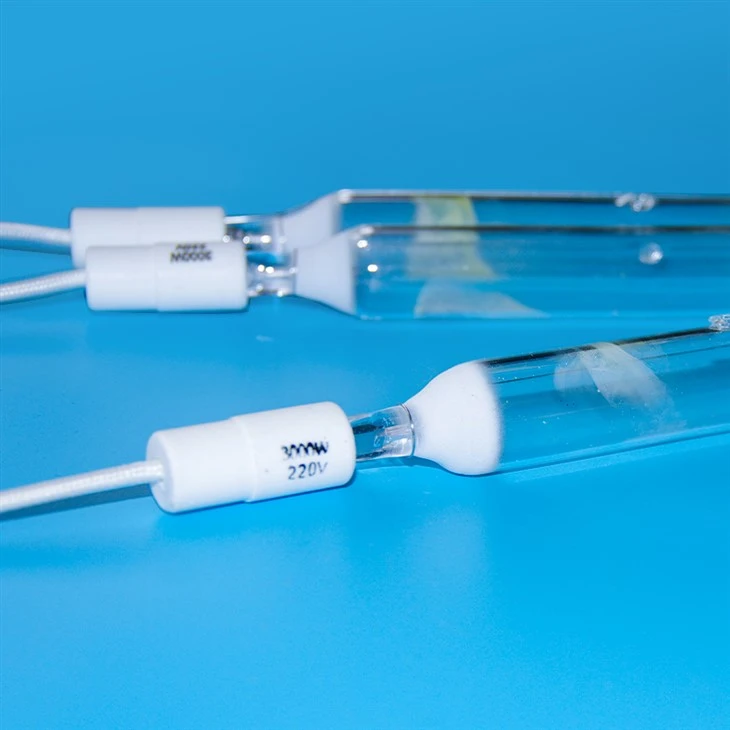

One of the major advantages of metal halide lamps is their ability to produce a higher peak intensity in the UV spectrum. This makes them ideal for applications where rapid curing is required, such as in the curing of inks, coatings, and adhesives. In the printing industry, metal halide lamps can cure thicker ink layers more quickly than mercury vapor lamps, which can significantly increase production throughput.
Another benefit of metal halide lamps is their relatively short warm - up time compared to mercury vapor lamps. They can reach their full brightness and spectral output in a matter of minutes, reducing downtime between production runs. However, metal halide lamps are more expensive to purchase and operate than mercury vapor lamps. They also require more sophisticated ballasts and control systems to ensure stable operation.
LED Exposure Lamps
In recent years, LED (Light - Emitting Diode) exposure lamps have emerged as a popular alternative to traditional lamps. LEDs are semiconductor devices that emit light when an electric current is passed through them. LED exposure lamps offer several unique advantages that make them attractive for a wide range of applications.
One of the most significant advantages of LED exposure lamps is their energy efficiency. LEDs consume much less power than mercury vapor and metal halide lamps, which can result in substantial cost savings over the long term. They also produce less heat, which reduces the need for cooling systems in the production environment.
LED exposure lamps have a long lifespan compared to traditional lamps. They can last up to 20,000 hours or more, which means less frequent replacement and lower maintenance costs. Additionally, LEDs can be quickly turned on and off without any warm - up or cool - down time, providing greater flexibility in production processes.
LEDs also offer precise control over the spectral output. They can be designed to emit light at specific wavelengths, allowing for more targeted and efficient curing. This is particularly useful in applications where a particular type of ink or coating requires a specific UV wavelength for optimal curing.
However, LED exposure lamps may have lower peak intensities compared to metal halide lamps in some cases. This can be a limitation for applications that require very high - speed curing of thick ink or coating layers. Also, the initial cost of LED exposure lamps is generally higher than that of traditional lamps, although the long - term savings in energy and maintenance can offset this initial investment.
Xenon Flash Lamps
Xenon flash lamps work by discharging a high - voltage electrical pulse through xenon gas. This creates a brief but intense flash of light that covers a broad spectrum, including UV, visible, and infrared light.
The main advantage of xenon flash lamps is their ability to deliver a high - energy pulse of light in a very short time. This makes them suitable for applications where rapid curing or exposure is required, such as in the production of printed circuit boards (PCBs). In PCB manufacturing, xenon flash lamps can expose the photoresist layer on the board quickly and precisely, improving the accuracy and quality of the circuit patterns.
Xenon flash lamps also have a long - life expectancy, especially when used in applications with low - frequency flashing. They can operate for hundreds of thousands of flashes without significant degradation in performance. However, xenon flash lamps require complex and expensive power supplies to generate the high - voltage pulses. They also produce a lot of heat during operation, which requires efficient cooling systems.
Selecting the Right Exposure Lamp
When choosing an exposure lamp for your specific application, several factors should be considered. The first is the type of material you are working with. For example, if you are curing inks or coatings, you need to know the specific UV wavelengths that are most effective for the curing process. Different materials may require different spectral outputs, so it's essential to choose a lamp that can provide the appropriate wavelengths.
The production volume is another important factor. If you are running a high - volume production line, you may need a lamp that can operate continuously and provide rapid curing. In this case, metal halide or LED lamps may be more suitable. On the other hand, if you have a low - volume production or a more flexible production schedule, a mercury vapor lamp or xenon flash lamp might be a better choice.
Cost is also a significant consideration. This includes not only the initial purchase price of the lamp but also the operating costs, such as energy consumption, maintenance, and replacement costs. LED lamps, for example, may have a higher upfront cost but can offer significant savings in the long run due to their energy efficiency and long lifespan.
As a professional exposure lamp supplier, we understand the importance of these factors and are committed to helping our clients choose the most suitable exposure lamps for their needs. Whether you are in the screen printing industry, PCB manufacturing, or any other field that requires exposure lamps, we have a wide range of products to meet your requirements.
If you are interested in learning more about our exposure lamps or would like to discuss your specific needs, please feel free to contact us. Our team of experts is ready to assist you with product selection, technical support, and any other questions you may have. We look forward to the opportunity to work with you and help you achieve the best results in your production processes.
References
- "Handbook of UV Curing Technology" by P. K. T. Oldring
- "Industrial Lighting Handbook" for general information on different lamp types and their applications
- Technical documents provided by lamp manufacturers for specific product details and performance data


