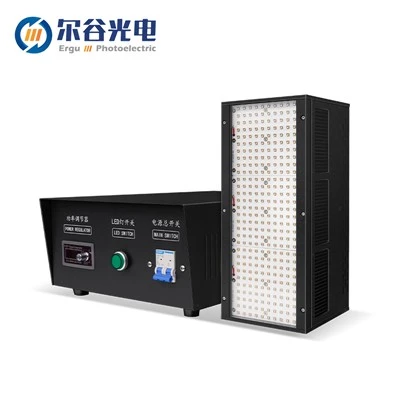
As a supplier of UV cure equipment, I've witnessed firsthand the evolution of this technology. Over the years, the industry has seen a significant shift from traditional UV cure equipment to LED UV cure equipment. In this blog post, I'll explore the differences between these two types of equipment, highlighting their unique features, advantages, and limitations.
1. Working Principle
Traditional UV cure equipment typically uses mercury lamps to generate UV light. Mercury lamps work by passing an electric current through a tube filled with mercury vapor. When the current passes through the vapor, it excites the mercury atoms, causing them to emit UV light. This light is then used to cure UV - sensitive coatings, adhesives, and inks.
On the other hand, LED UV cure equipment uses light - emitting diodes (LEDs) to produce UV light. LEDs are semiconductor devices that emit light when an electric current is applied. Unlike mercury lamps, LEDs can be precisely tuned to emit light at specific wavelengths within the UV spectrum. This allows for more targeted and efficient curing.
2. Energy Efficiency
One of the most significant differences between LED UV cure equipment and traditional UV cure equipment is energy efficiency. Traditional mercury lamps are known for their high energy consumption. They require a significant amount of power to operate, and a large portion of the energy is wasted as heat. This not only increases operating costs but also requires additional cooling systems to prevent overheating.
LED UV cure equipment, however, is much more energy - efficient. LEDs convert a higher percentage of electrical energy into UV light, resulting in lower power consumption. In fact, LED UV systems can use up to 80% less energy than traditional mercury lamp systems. This energy savings can lead to substantial cost savings over the long term, making LED UV cure equipment an attractive option for businesses looking to reduce their energy bills.
3. Heat Generation
As mentioned earlier, traditional mercury lamps generate a large amount of heat during operation. This heat can be a problem in many applications, especially those involving heat - sensitive materials. For example, in the printing industry, excessive heat can cause paper to warp or ink to dry too quickly, leading to poor print quality. Additionally, the need for cooling systems adds to the complexity and cost of the equipment.
LED UV cure equipment generates significantly less heat. Since LEDs convert most of the energy into light rather than heat, the temperature rise during curing is minimal. This makes LED UV cure equipment suitable for use with heat - sensitive materials such as plastics, films, and electronic components. The reduced heat also eliminates the need for large - scale cooling systems, simplifying the equipment design and reducing maintenance requirements.
4. Lifespan
The lifespan of the light source is another important factor to consider when comparing LED UV cure equipment and traditional UV cure equipment. Traditional mercury lamps have a relatively short lifespan, typically ranging from 1000 to 2000 hours. After this time, the lamp needs to be replaced, which can be costly and time - consuming.
LEDs, on the other hand, have a much longer lifespan. They can last up to 20,000 hours or more, depending on the operating conditions. This means that businesses using LED UV cure equipment will spend less time and money on lamp replacements, resulting in lower maintenance costs and less downtime.
5. Wavelength Specificity
Traditional mercury lamps emit a broad spectrum of UV light, which includes a range of wavelengths. While this can be suitable for some applications, it may not be ideal for others. In some cases, the presence of unwanted wavelengths can cause issues such as over - curing or damage to the substrate.
LED UV cure equipment offers greater wavelength specificity. LEDs can be designed to emit light at specific wavelengths, such as 365nm, 385nm, or 395nm. This allows for more precise control over the curing process, ensuring that only the desired wavelengths are used. For example, in some applications, a specific wavelength may be required to activate a particular photo - initiator in the UV - curable material. By using an LED system with the appropriate wavelength, businesses can achieve better curing results and higher product quality.
6. Instant On/Off
Traditional mercury lamps require a warm - up period before they can reach their full intensity. This can take several minutes, which can be a drawback in high - speed production environments. Additionally, frequent on/off cycling of mercury lamps can reduce their lifespan and performance.
LED UV cure equipment can be turned on and off instantly. There is no warm - up period required, which means that production can start immediately. This feature is particularly beneficial in applications where quick start - up and shut - down are necessary, such as in digital printing or assembly lines.
7. Cost
The initial cost of LED UV cure equipment is generally higher than that of traditional UV cure equipment. This is mainly due to the advanced technology and components used in LED systems. However, when considering the total cost of ownership, LED UV cure equipment can be more cost - effective in the long run. As mentioned earlier, the energy savings, longer lifespan, and lower maintenance costs associated with LED UV cure equipment can offset the higher initial investment.
Applications
Both LED UV cure equipment and traditional UV cure equipment have a wide range of applications. Traditional UV cure equipment is still commonly used in some industries, such as the wood finishing and automotive coating industries, where the broad spectrum of light can be beneficial.
LED UV cure equipment, on the other hand, is gaining popularity in many applications, especially those that require high - precision curing, energy efficiency, and the ability to work with heat - sensitive materials. Some of the common applications of LED UV cure equipment include:
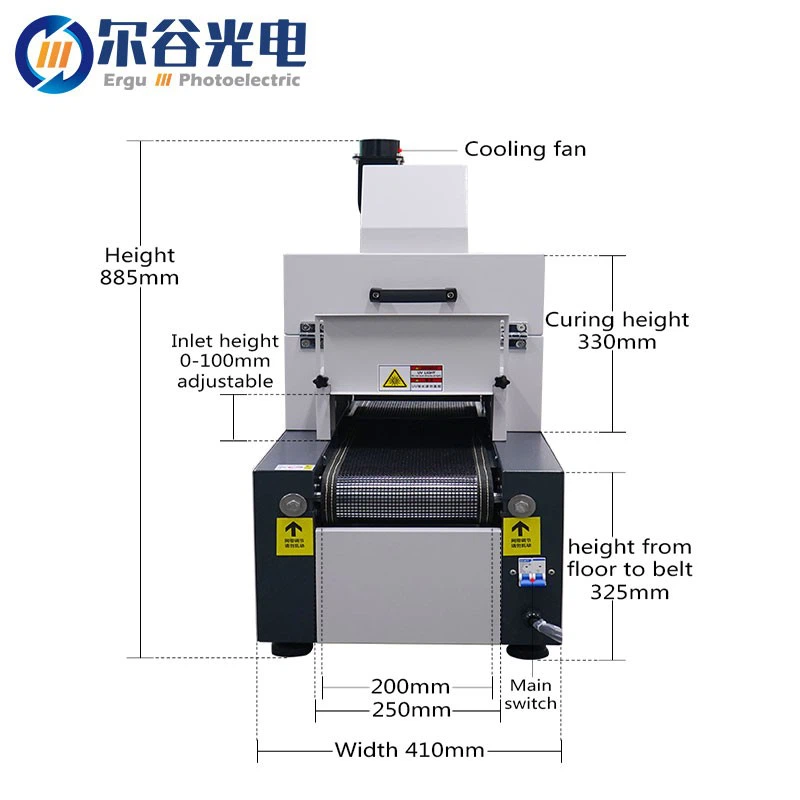
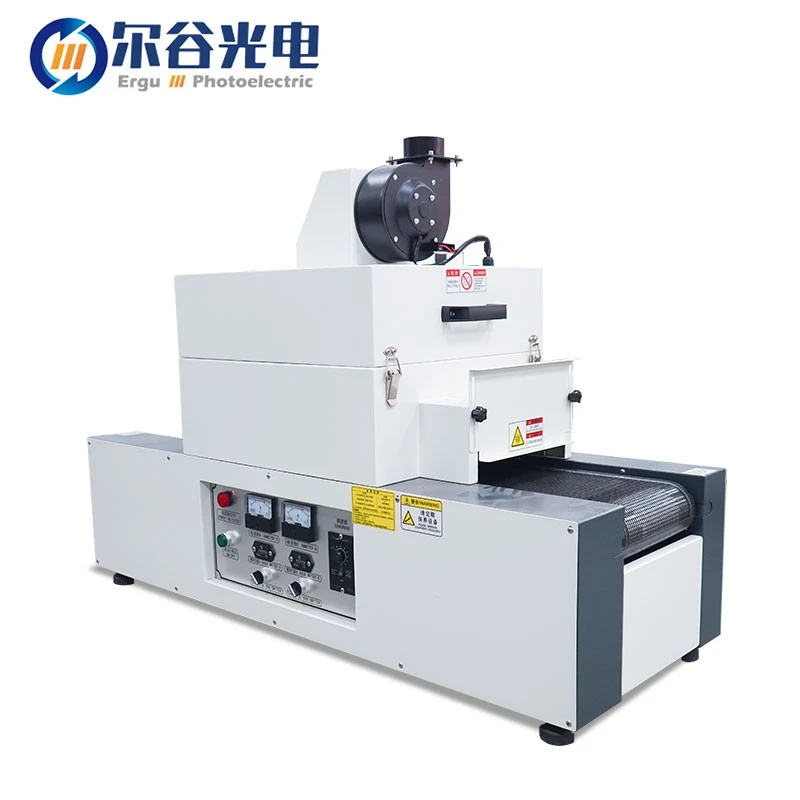
- Printing: In digital printing, LED UV cure equipment can be used to cure inks on various substrates, including paper, plastic, and metal. The instant on/off feature and low heat generation make it ideal for high - speed printing processes. You can find more information about our UV Drying Machine on our website.
- Electronics: LED UV cure equipment is used to cure adhesives and coatings in the electronics industry. The precise wavelength control and low heat output are essential for protecting sensitive electronic components during the curing process.
- Medical Devices: In the manufacturing of medical devices, LED UV cure equipment is used to cure coatings and adhesives. The ability to work with heat - sensitive materials and the high level of control over the curing process are crucial for ensuring the quality and safety of medical products.
Conclusion
In conclusion, LED UV cure equipment and traditional UV cure equipment have distinct differences in terms of working principle, energy efficiency, heat generation, lifespan, wavelength specificity, instant on/off capability, and cost. While traditional UV cure equipment still has its place in certain industries, LED UV cure equipment offers significant advantages, especially in terms of energy savings, heat management, and precision curing.
If you are considering investing in UV cure equipment for your business, I encourage you to carefully evaluate your specific needs and requirements. We offer a range of UV cure equipment, including the RX400 - 2 Desktop Mercury Lamp Light Curing Equipment and the RX200 - 2 - Desktop Uv Curing Conveyors. Our team of experts can help you choose the right equipment for your application and provide you with all the information you need to make an informed decision. If you have any questions or would like to discuss your options further, please don't hesitate to contact us. We look forward to working with you to find the best UV cure solution for your business.
References
- “UV Curing Technology: Principles and Applications” by John W. Taylor
- “LED UV Curing: A New Era in Curing Technology” by Mark A. Johnson
- Industry reports on UV cure equipment from leading market research firms