As a supplier of Varnish Dryers, one of the most frequently asked questions we receive is about the minimum drying temperature of these machines. Understanding the minimum drying temperature is crucial for achieving optimal results in varnishing processes, as it directly impacts the quality, durability, and appearance of the finished product. In this blog post, we will delve into the factors that influence the minimum drying temperature of a Varnish Dryer and provide some practical insights for our customers.
Factors Influencing the Minimum Drying Temperature
Varnish Type
The type of varnish being used is one of the primary factors that determine the minimum drying temperature. Different varnishes have different chemical compositions and drying mechanisms, which require specific temperature conditions to cure properly. For example, water-based varnishes generally have lower minimum drying temperatures compared to solvent-based varnishes. Water-based varnishes rely on the evaporation of water to dry, and they can typically dry at room temperature or slightly elevated temperatures. On the other hand, solvent-based varnishes contain volatile organic compounds (VOCs) that need to evaporate at higher temperatures to form a hard and durable finish.
Substrate Material
The material of the substrate being varnished also plays a significant role in determining the minimum drying temperature. Different materials have different heat tolerance levels, and the drying temperature must be carefully selected to avoid damaging the substrate. For instance, delicate materials such as wood or plastic may require lower drying temperatures to prevent warping, cracking, or discoloration. In contrast, more heat-resistant materials like metal or glass can withstand higher temperatures during the drying process.
Humidity and Airflow
Humidity and airflow are two environmental factors that can affect the drying process of varnish. High humidity levels can slow down the evaporation of solvents or water from the varnish, requiring higher drying temperatures or longer drying times. On the other hand, proper airflow can help to remove the moisture or solvents from the varnish surface, accelerating the drying process and allowing for lower drying temperatures. Therefore, it is important to control the humidity and airflow in the drying environment to ensure consistent and efficient drying results.
Varnish Thickness
The thickness of the varnish coating also influences the minimum drying temperature. Thicker coatings require more time and energy to dry compared to thinner coatings. As a result, higher drying temperatures may be necessary to ensure that the entire thickness of the varnish is fully cured. However, it is important to note that excessive heat can also cause the surface of the varnish to dry too quickly, leading to cracking or uneven drying. Therefore, it is crucial to find the right balance between the drying temperature and the varnish thickness to achieve the best results.
Determining the Minimum Drying Temperature
To determine the minimum drying temperature for a specific varnish and substrate combination, it is recommended to consult the manufacturer's guidelines. Varnish manufacturers typically provide detailed information about the recommended drying temperatures, drying times, and other curing conditions for their products. These guidelines are based on extensive testing and research, and they can provide valuable insights into the optimal drying parameters for achieving the best results.
In addition to the manufacturer's guidelines, it is also important to conduct some preliminary tests to determine the minimum drying temperature for your specific application. You can start by applying a small amount of varnish to a test substrate and drying it at different temperatures. Observe the drying process and the final appearance of the varnish to determine the lowest temperature at which the varnish dries properly without any visible defects. This testing process can help you to fine-tune the drying temperature and ensure that you are achieving the best possible results.
Our Varnish Dryer Solutions
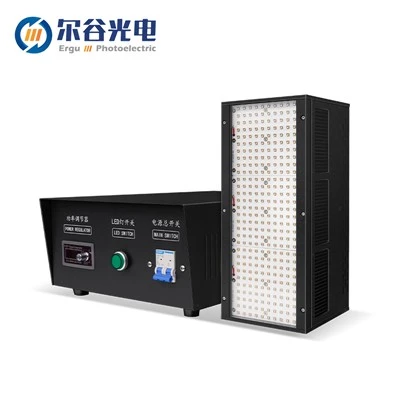
At our company, we offer a wide range of Varnish Dryers that are designed to meet the diverse needs of our customers. Our dryers are equipped with advanced temperature control systems that allow for precise adjustment of the drying temperature, ensuring optimal drying results for different types of varnishes and substrates.
One of our popular products is the LY600-2DZ5K Uv Curing Oven. This oven uses ultraviolet (UV) light to cure the varnish, which offers several advantages over traditional thermal drying methods. UV curing is a fast and efficient process that can significantly reduce the drying time and energy consumption. It also produces a hard and durable finish that is resistant to scratches, chemicals, and UV radiation.
Another product in our lineup is the UV Conveyor Machine. This machine is designed for continuous production applications, allowing for high-volume varnishing and drying. It features a conveyor belt that transports the substrates through the UV curing chamber, ensuring uniform and consistent drying results. The UV Conveyor Machine is highly customizable and can be tailored to meet the specific requirements of your production line.


For small-scale applications or laboratory use, we offer the RX200-1 Desktop Type Of Small Ultraviolet UV Curing Machine. This compact and portable machine is ideal for curing small parts or samples. It is easy to operate and requires minimal space, making it a convenient solution for small businesses or research institutions.
Contact Us for More Information
If you are interested in learning more about our Varnish Dryers or have any questions about the minimum drying temperature, please do not hesitate to contact us. Our team of experts is always ready to provide you with the information and support you need to make an informed decision. We can help you to select the right dryer for your specific application, provide technical advice, and offer after-sales service to ensure that your equipment is operating at its best.
Whether you are a small business owner looking for a cost-effective drying solution or a large manufacturer in need of a high-capacity production line, we have the expertise and products to meet your needs. Contact us today to start a conversation about your varnishing and drying requirements, and let us help you to achieve the best results for your business.
References
- "Varnish Drying and Curing: A Comprehensive Guide." Varnish Manufacturer's Association.
- "The Science of Varnish Drying." Journal of Coating Technology and Research.
- "Factors Affecting the Drying of Varnishes." Industrial and Engineering Chemistry Research.