


What is the Radiation Range of a UV Glue Curing Lamp?
As a provider of high - quality UV Glue Curing Lamp, I often get asked about the radiation range of these lamps. In this blog, I'm going to break down the essential aspects of the radiation range, including what it is, how it affects the curing process, and why it matters in various applications.
Understanding UV Radiation and Its Classification
Ultraviolet (UV) radiation is a form of electromagnetic radiation with a wavelength shorter than that of visible light but longer than X - rays. It is typically divided into three sub - ranges: UV - A (315 - 400 nm), UV - B (280 - 315 nm), and UV - C (100 - 280 nm).
Most UV glue curing lamps mainly operate in the UV - A and sometimes a small portion of the UV - B range. UV - A is considered the safest among the UV ranges for general industrial use, as it has lower energy compared to UV - B and UV - C, which can cause more damage to living tissues. The longer wavelengths of UV - A are also better at penetrating materials, making them ideal for curing glue.
The Radiation Range of UV Glue Curing Lamps
The radiation range of a typical UV glue curing lamp usually falls within the 320 - 400 nm range, firmly in the UV - A category. However, some high - performance lamps may also emit a small amount of UV - B radiation, typically around 300 - 320 nm. This extended range can sometimes enhance the curing speed, especially for certain types of UV - sensitive glues.
The choice of radiation range is highly dependent on the type of glue being cured. Different glues are formulated to be sensitive to specific wavelengths of UV light. For example, some acrylic - based UV glues are optimized to cure most effectively at around 365 nm, while others may work better at 395 nm. As a leading supplier of UV Glue Curing Lamp, we offer lamps with different peak wavelengths to meet the diverse needs of our customers.
Factors Affecting the Radiation Range
Several factors can influence the actual radiation range of a UV glue curing lamp.
Lamp Type: Different types of lamps, such as mercury lamps, LED lamps, and metal halide lamps, have distinct emission spectra. Mercury lamps are known for their broad - spectrum emission that covers both UV - A and part of UV - B. LED lamps, on the other hand, can be designed to emit very narrow - band UV light, allowing for precise control of the radiation range. This makes LED - based UV Glue Curing Lamp a popular choice when high - precision curing is required.
Filtering and Reflectors: Filters can be used to block or selectively transmit certain wavelengths of UV light. For example, a filter can be installed in front of the lamp to remove unwanted UV - B or UV - C radiation, ensuring that only the desired UV - A range is emitted. Reflectors are also important as they can direct the UV light towards the target area and may affect the overall distribution of the radiation range.
Lamp Age and Usage: Over time, the performance of a UV glue curing lamp can degrade. The emission spectrum may shift, and the intensity of the UV radiation may decrease. Regular maintenance and replacement of lamps are crucial to ensure that the radiation range remains consistent and within the required specifications.
Importance of the Radiation Range in Curing
The correct radiation range is vital for successful glue curing. If the wavelength of the UV lamp does not match the sensitivity of the glue, the curing process may be incomplete or take much longer.
Complete Curing: When the radiation range of the lamp aligns with the absorption spectrum of the glue, the photo - initiators in the glue can efficiently absorb the UV energy. This triggers a chemical reaction that causes the glue to harden. For example, if a glue is designed to cure at 385 nm and the lamp emits most of its energy at 365 nm, the curing may be less efficient, leading to a weaker bond.
Curing Speed: The right radiation range can significantly impact the curing speed. Glues are formulated to react quickly to specific wavelengths. By using a lamp with the appropriate radiation range, manufacturers can increase the production speed and improve overall efficiency.
Applications and the Required Radiation Range
UV glue curing lamps are used in a wide range of industries, each with specific requirements for the radiation range.
Electronics Industry: In the assembly of electronic components, such as bonding LCD screens to frames, a precise and consistent radiation range is needed. LED - based UV Light Curing Lamp with a narrow - band emission in the UV - A range are often preferred as they can provide accurate curing without over - heating the sensitive electronic parts.
Printing Industry: UV Ink Curing Lamp are used to dry and cure inks on various substrates. The radiation range needs to be carefully selected based on the type of ink. For example, some inks may require a broader spectrum to ensure complete curing across different colors and pigments.
Medical Device Manufacturing: When bonding medical devices, such as catheters or syringes, a specific radiation range is necessary to ensure the biocompatibility and strength of the bond. The lamps used in this industry must meet strict regulatory standards and provide a reliable and consistent radiation output.
How Our Company Can Help
As a professional supplier of UV Glue Curing Lamp, we understand the critical role of the radiation range in different applications. We offer a comprehensive range of lamps with various radiation ranges to meet the specific needs of our customers.
Our team of experts can provide in - depth consultations to help you select the most suitable lamp for your application. Whether you are in the electronics, printing, or medical industry, we have the knowledge and experience to guide you through the process.

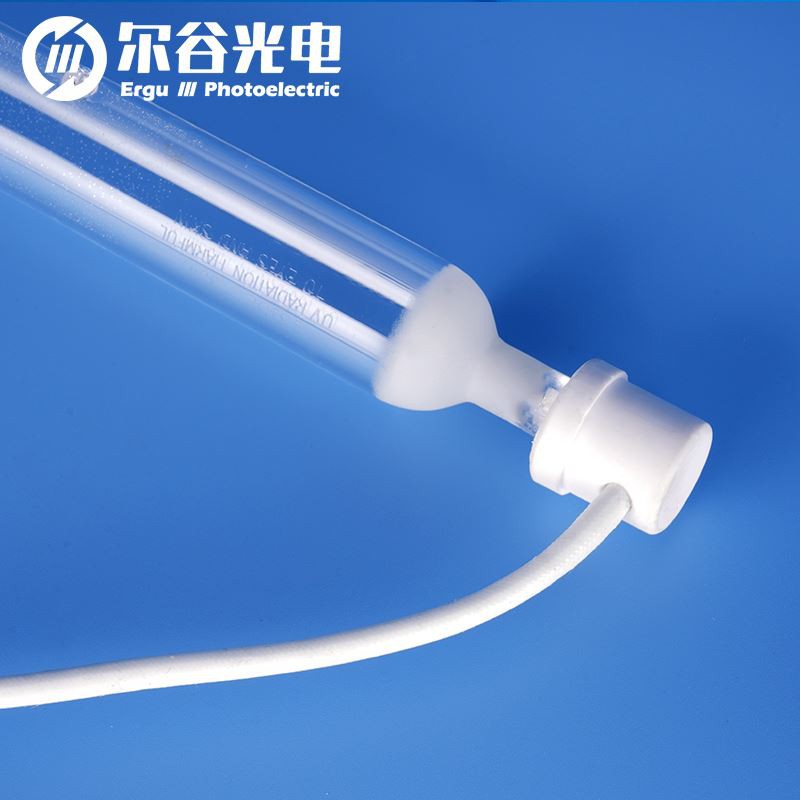
If you are interested in our products or have any questions about the radiation range of UV glue curing lamps, we encourage you to contact us. We look forward to discussing your requirements and providing you with the best - fitting solutions for your UV curing needs.
References
- "Ultraviolet Radiation: Physical and Biological Effects" by Grossweiner, L. I.
- "Handbook of Photochemistry and Photobiology" edited by Horspool, W. M. and Lenci, F.
- Industry reports on UV curing technologies from leading market research firms.


