


In the realm of UV glue curing, the choice between LED and mercury lamps is a crucial decision that can significantly impact energy efficiency, operational costs, and overall performance. As a leading supplier of UV Glue Curing Lamp, I've witnessed firsthand the evolution of these technologies and understand the importance of making an informed choice. In this blog, I'll delve into the energy efficiency aspects of LED and mercury lamps, providing you with the insights needed to select the most suitable option for your UV glue curing needs.
Understanding UV Glue Curing
Before we compare the energy efficiency of LED and mercury lamps, let's briefly understand the process of UV glue curing. UV glue, also known as ultraviolet adhesive, is a type of adhesive that cures or hardens when exposed to ultraviolet light. This curing process is widely used in various industries, including electronics, automotive, printing, and jewelry making, due to its fast curing time, high bond strength, and excellent chemical resistance.
The Traditional Choice: Mercury Lamps
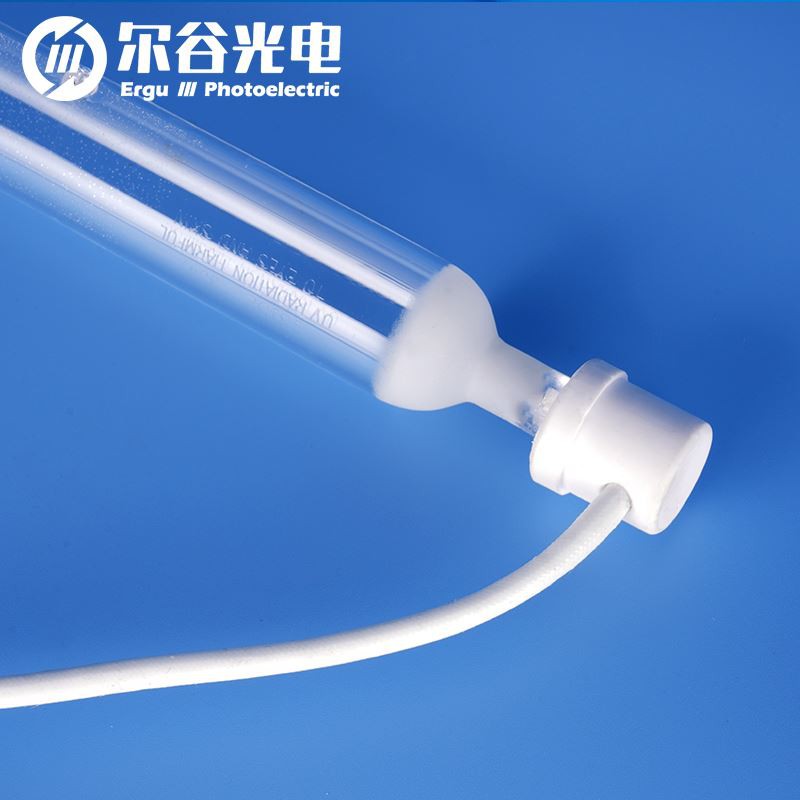
Mercury lamps have been the go-to choice for UV glue curing for many years. These lamps work by passing an electric current through a mixture of mercury vapor and other gases, which produces ultraviolet light. Mercury lamps are known for their high intensity and broad spectrum of UV light, making them effective for curing a wide range of UV glues.
However, mercury lamps also have several drawbacks when it comes to energy efficiency. Firstly, they require a significant amount of energy to operate. The high power consumption of mercury lamps not only leads to increased electricity bills but also generates a substantial amount of heat, which can further increase energy costs if additional cooling systems are required.
Secondly, mercury lamps have a relatively short lifespan compared to LED lamps. On average, a mercury lamp may need to be replaced every 1,000 to 2,000 hours of use, which adds to the overall cost of ownership. Additionally, the disposal of mercury lamps is a concern due to the presence of mercury, a toxic substance that can pose environmental and health risks.
The Modern Alternative: LED Lamps
In recent years, LED (Light Emitting Diode) lamps have emerged as a more energy-efficient alternative to mercury lamps for UV glue curing. LED lamps work by passing an electric current through a semiconductor material, which emits ultraviolet light. LED lamps offer several advantages over mercury lamps in terms of energy efficiency.
One of the key benefits of LED lamps is their low power consumption. LED lamps typically consume up to 80% less energy than mercury lamps, which can result in significant cost savings over the long term. This energy efficiency is achieved through the use of advanced semiconductor technology, which allows LED lamps to convert a higher percentage of electrical energy into UV light, rather than wasting it as heat.
Another advantage of LED lamps is their long lifespan. LED lamps can last up to 20,000 hours or more, which is significantly longer than the lifespan of mercury lamps. This means fewer replacements and less downtime, resulting in increased productivity and reduced maintenance costs.
In addition to their energy efficiency and long lifespan, LED lamps also offer other benefits such as instant on/off functionality, precise control of UV light intensity and wavelength, and a more compact and lightweight design. These features make LED lamps a more versatile and user-friendly option for UV glue curing applications.
Comparing Energy Efficiency
To illustrate the difference in energy efficiency between LED and mercury lamps, let's consider a hypothetical scenario. Suppose you have a UV glue curing application that requires a lamp to operate for 8 hours a day, 5 days a week, for a total of 2,000 hours per year.
- Mercury Lamp: A typical mercury lamp with a power rating of 1,000 watts would consume 2,000 kilowatt-hours (kWh) of electricity per year. Assuming an electricity cost of $0.10 per kWh, the annual energy cost for the mercury lamp would be $200. Additionally, considering the need for replacement every 1,000 to 2,000 hours, you would need to replace the lamp at least once a year, adding to the overall cost.
- LED Lamp: In contrast, an LED lamp with a power rating of 200 watts would consume only 400 kWh of electricity per year. At the same electricity cost of $0.10 per kWh, the annual energy cost for the LED lamp would be $40. With a lifespan of up to 20,000 hours, you would not need to replace the LED lamp for at least 10 years, resulting in significant savings on replacement costs.
As you can see from this example, the energy efficiency of LED lamps can lead to substantial cost savings over the long term.
Other Considerations
While energy efficiency is an important factor to consider when choosing a UV glue curing lamp, it's not the only one. Other factors such as UV light intensity, wavelength, and curing speed also play a crucial role in determining the suitability of a lamp for your specific application.
For some applications, such as those that require a high-intensity UV light source or a broad spectrum of UV wavelengths, mercury lamps may still be the preferred choice. However, for most applications, LED lamps offer a more energy-efficient and cost-effective solution.
Conclusion
In conclusion, when it comes to energy efficiency, LED lamps are clearly the winner over mercury lamps for UV glue curing applications. LED lamps offer significant cost savings through their low power consumption and long lifespan, while also providing other benefits such as instant on/off functionality, precise control of UV light intensity and wavelength, and a more compact and lightweight design.

As a supplier of UV Glue Curing Lamp, UV Ink Curing Lamp, and UV Light Curing Lamp, I understand the importance of providing our customers with the most energy-efficient and reliable products. If you're considering upgrading your UV glue curing system or are in the market for a new UV lamp, I encourage you to contact us to discuss your specific needs. Our team of experts will be happy to provide you with more information and help you choose the best solution for your application.
References
- "UV Curing Technology: Principles and Applications" by C. Lowe and J. K. Koleske
- "LED Lighting for Horticulture: Energy Efficiency and Light Quality" by G. S. Brown and D. C. Nelson
- "The Future of UV Curing: Trends and Innovations" by R. A. Wessling


