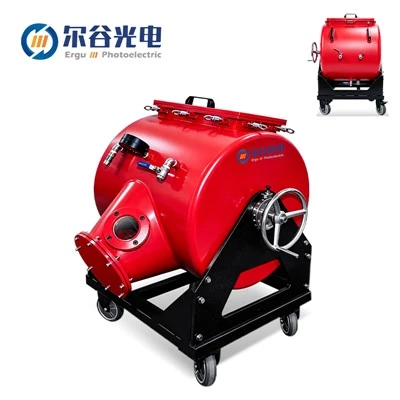
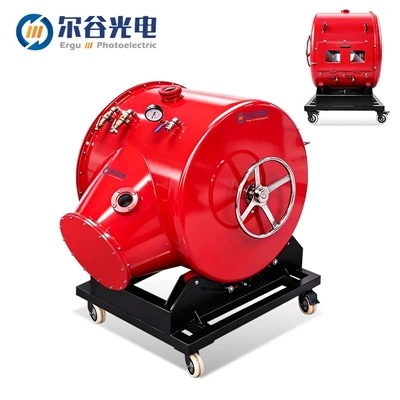
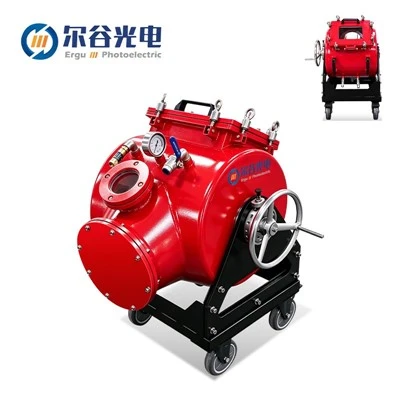
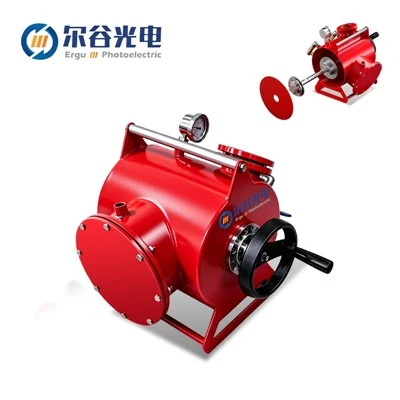
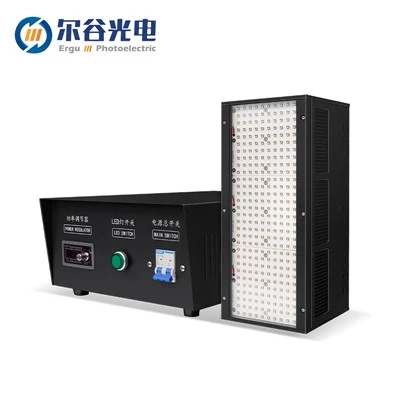
UV curing equipment is a key piece of technical equipment in modern industrial surface treatment. Its structural design directly impacts curing efficiency and process stability. The equipment primarily consists of four major components: a UV light source system, a control system, a ventilation and heat dissipation module, and a protective structure. These components work together to achieve a highly efficient curing process.
The UV light source system is the core component of the equipment and typically utilizes mercury lamps, LEDs, or electrodeless lamps. LED UV light sources are widely used in precision coating and electronic packaging due to their long lifespan, low energy consumption, and instant on/off switching. Traditional mercury lamps, on the other hand, excel at high power density and are suitable for rapid curing of large areas. The wavelength range of the light source must be precisely matched to the photosensitivity of the coating or adhesive. Common wavelengths include 365nm, 385nm, and 405nm.
The control system regulates light intensity, exposure time, and energy output. High-end equipment features intelligent temperature control and real-time monitoring, allowing for preset parameters and automatic process optimization through a human-machine interface. The ventilation and heat dissipation module maintains a balanced internal temperature through forced air cooling or a water circulation system, preventing high temperatures from damaging optical components. It also eliminates byproducts such as ozone, ensuring safe operation.
The protective structure utilizes a high-strength metal frame and UV-resistant materials, protecting internal components from external interference and shielding operators from harmful radiation. Some devices incorporate a reflective cavity design, utilizing a mirrored reflector to improve light efficiency and reduce energy waste.
With increasingly stringent environmental regulations, UV curing technology, due to its solvent-free operation and low energy consumption, is gradually replacing traditional thermal curing processes. Its compact design and modular expansion capabilities make it highly competitive in industries such as packaging and printing, automotive manufacturing, and medical devices. In the future, with breakthroughs in LED light source technology, UV curing equipment will continue to evolve towards greater efficiency and intelligence.