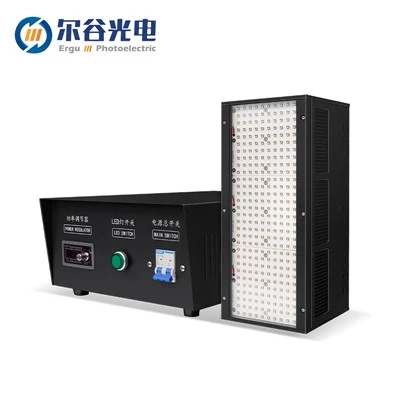
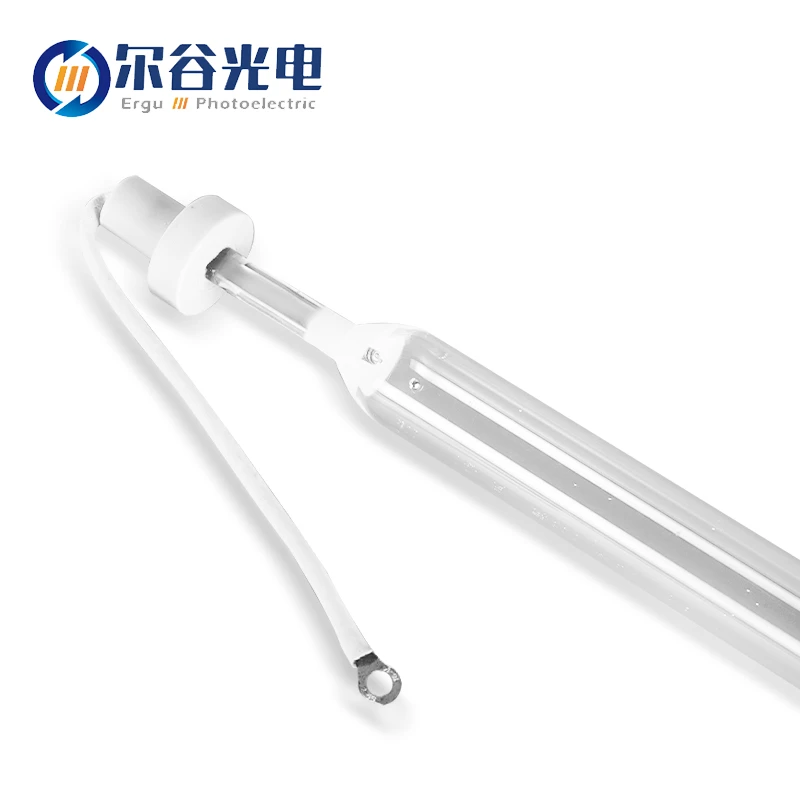
Gallium lamps are specialized light sources that emit light when heated and evaporated from liquid gallium metal. They are widely used in spectral analysis, photochemical reactions, and industrial testing. Their operation requires strict adherence to safety regulations and technical procedures to ensure stable operation and extend the life of the equipment.
Preparation for Operation
Before using a gallium lamp, check that the power supply voltage matches the lamp's rated specifications (usually DC or AC at a specific frequency) and confirm that the cooling system (such as water or air) is functioning properly. The gallium lamp should be mounted on a vibration-proof platform to prevent mechanical vibration from leaking the liquid gallium or damaging the electrodes. Operators should wear protective glasses and high-temperature-resistant gloves to prevent high-temperature radiation and accidental sputtering.
Startup Procedure
1. Preheating: After power is applied, the gallium lamp must be gradually heated up (approximately 5-10 minutes) to allow the gallium metal inside to rise above its boiling point (29.8°C) and form a stable gaseous luminescent layer. During this stage, the current should be controlled at 30%-50% of the rated value to avoid sudden heating that could overload the electrodes.
2. Stable Lighting: Once the gallium vapor reaches the operating pressure, gradually increase the voltage to the rated value (typically several kilowatts). The lamp will then emit high-intensity near-infrared or visible light (the wavelength depends on the gallium vapor density). A control circuit must maintain a stable current to prevent light intensity fluctuations.
3. Operation Monitoring: Continuously monitor the lamp temperature and power output during operation. Any abnormal flickering or brightness reduction may indicate insufficient gallium vapor or electrode wear, requiring prompt shutdown and inspection.
Shutdown and Maintenance
When shutting down the gallium lamp, gradually reduce the input voltage to zero. Do not disconnect the power supply directly to prevent rapid condensation and shrinkage of the liquid gallium, which could damage the lamp structure. Allow the lamp to cool to room temperature (approximately 30 minutes) before cleaning or moving it. Regularly check the seals to prevent gallium vapor leakage and environmental contamination.
Proper operation of the gallium lamp is crucial to ensuring experimental or production safety. Consult the equipment manual and professional guidance, and strictly follow the procedures.