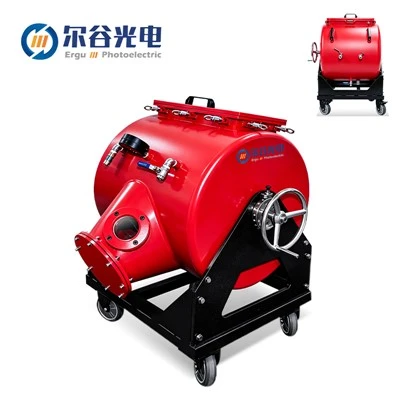
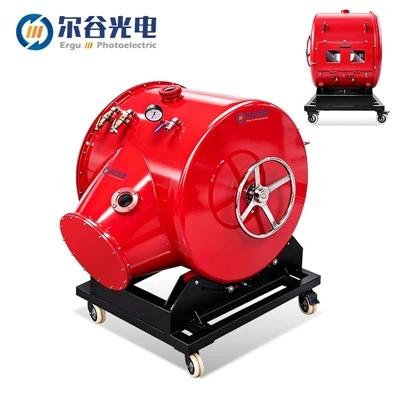
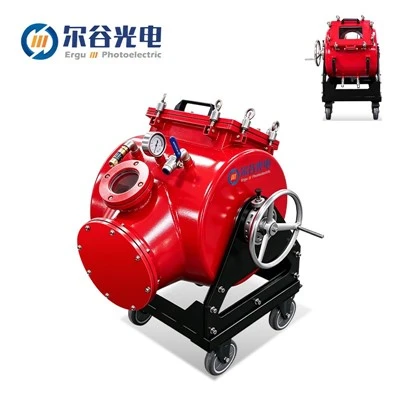
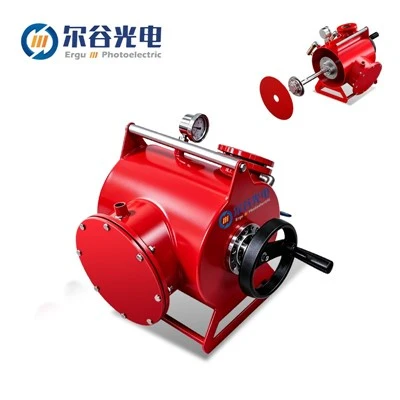
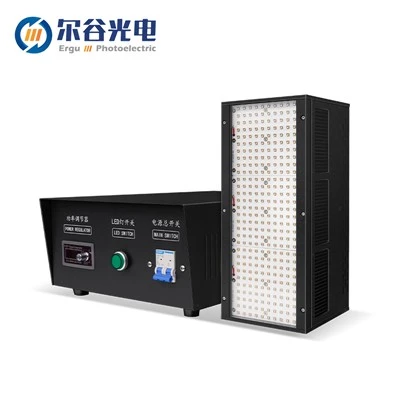
UV curing equipment, a key tool in modern industrial production, is widely used in printing, coatings, electronics, medical, and other fields. It uses ultraviolet radiation to decompose photoinitiators, initiating polymerization and crosslinking of monomers or oligomers, achieving rapid curing. UV curing equipment can be divided into various types based on different application requirements and technical characteristics, each with significant differences in wavelength range, power density, and applicable scenarios.
Based on light source type, UV curing equipment is primarily categorized as mercury lamps, LED lamps, and xenon lamps. Mercury lamps are the traditional mainstream equipment, providing a wide range of UV wavelengths (UVA, UVB, and UVC) and suitable for deep curing of high-viscosity inks and coatings. However, they consume more energy and contain mercury, making them less environmentally friendly. LED UV curing equipment has rapidly emerged in recent years, offering advantages such as low energy consumption, long life, and ready-to-use functionality. They can precisely output specific wavelengths (such as 365nm and 395nm), making them suitable for precision electronic components and high-speed production lines. Xenon lamps are primarily used for high-intensity, instantaneous curing and are commonly used in laboratories or for processing specialized materials.
Based on application scenarios, equipment can be categorized as point, line, and surface sources. Point sources are suitable for precise curing of small areas, such as jewelry and dental materials; line sources are commonly used in continuous production lines, such as in the printing and coating industries; and surface sources cover large-area curing needs, such as in flat panel display and optical thin film processing. Furthermore, based on the curing method, equipment can be categorized as air-cooled or water-cooled. Air-cooled equipment is lightweight and flexible, while water-cooled equipment is suitable for high-power, long-term operation.
Selecting the appropriate UV curing equipment requires a comprehensive consideration of the curing material properties, production efficiency, and environmental requirements. With the maturity of LED technology, low-energy, highly stable UV curing solutions are becoming a popular choice in the international trade market, providing efficient and sustainable curing solutions for the global manufacturing industry.