


As a supplier of exposure lamps, I often receive inquiries from customers about the performance and durability of our products in various environments. One question that has come up frequently is whether an exposure lamp can be used in a salt - fog environment. In this blog post, I will delve into this topic to provide you with a comprehensive understanding.
Understanding Exposure Lamps
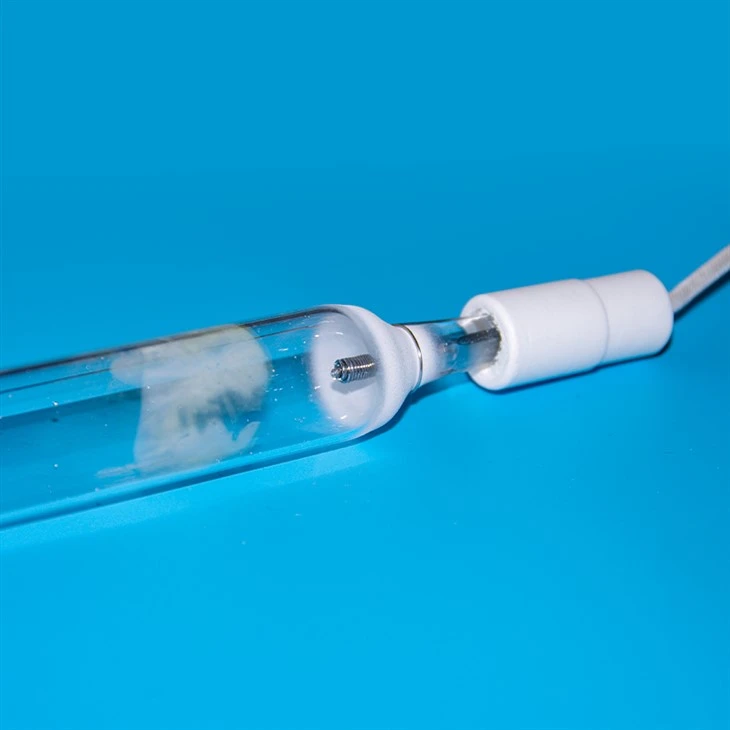
Exposure lamps are essential components in many industries, especially in screen printing and photolithography. They emit specific wavelengths of light that are used to cure inks, resins, or to expose photosensitive materials. For example, the UV Curing Lamp for Screen Printing is designed to provide high - intensity UV light to quickly cure inks on screens, ensuring sharp and long - lasting prints.
These lamps typically operate under specific temperature, humidity, and environmental conditions to maintain optimal performance. Common types of exposure lamps include mercury vapor lamps, metal halide lamps, and LED - based exposure lamps, each with its own set of characteristics and requirements.

The Salt - Fog Environment
A salt - fog environment is characterized by the presence of a high concentration of salt particles in the air, often near coastal areas or in industrial settings where salt - based processes are carried out. Salt fog can be extremely corrosive due to the presence of sodium chloride and other salts. When these salt particles come into contact with metal surfaces, they can initiate electrochemical reactions that lead to corrosion.
The corrosion process in a salt - fog environment can be accelerated by factors such as humidity, temperature, and the presence of oxygen. The salt acts as an electrolyte, facilitating the flow of electrons between different parts of the metal, which in turn leads to the oxidation of the metal surface.
Effects of Salt - Fog on Exposure Lamps
Corrosion of Lamp Components
Exposure lamps have various metal components, such as electrodes, reflectors, and housing parts. In a salt - fog environment, these metal parts are at risk of corrosion. For example, the electrodes in a mercury vapor lamp are crucial for maintaining the electrical arc that produces light. If the electrodes corrode, the electrical conductivity can be affected, leading to unstable lamp operation or even lamp failure.
The reflectors in an exposure lamp are designed to direct the light towards the target area. Corrosion of the reflector surface can reduce its reflectivity, resulting in a decrease in the intensity of the light reaching the workpiece. This can have a significant impact on the curing process in screen printing or the exposure quality in photolithography.
Impact on Insulating Materials
Exposure lamps also contain insulating materials, such as ceramic insulators and glass envelopes. Salt - fog can deposit on these insulating surfaces, which can increase the surface conductivity. This can lead to electrical leakage, which not only affects the lamp's performance but also poses a safety hazard.
In addition, the salt particles can absorb moisture from the air, creating a conductive layer on the insulating materials. This can cause short - circuits between different electrical components in the lamp, leading to damage to the lamp and potentially other equipment in the system.
Contamination of the Light Output
The salt particles in the air can also contaminate the light output of the exposure lamp. As the light passes through the salt - laden air, the salt particles can scatter and absorb some of the light, reducing the overall intensity and quality of the light. This can result in uneven curing or exposure, leading to defects in the final product.
Mitigating the Effects of Salt - Fog
Protective Coatings
One way to protect exposure lamps from salt - fog corrosion is to apply protective coatings to the metal components. These coatings can act as a barrier between the metal surface and the salt - fog, preventing direct contact and reducing the risk of corrosion. For example, a thin layer of epoxy or polyurethane coating can be applied to the electrodes and reflectors to provide corrosion resistance.
Sealed Enclosures
Using sealed enclosures for exposure lamps can also be an effective solution. A sealed enclosure can prevent salt - fog from entering the lamp housing, protecting the internal components from corrosion. However, it is important to ensure that the enclosure allows for proper ventilation to prevent overheating of the lamp.
Regular Maintenance and Cleaning
Regular maintenance and cleaning are essential in a salt - fog environment. This includes wiping down the lamp surfaces to remove any salt deposits, checking for signs of corrosion, and replacing any damaged components. By performing regular maintenance, the lifespan of the exposure lamp can be extended, and its performance can be maintained.
Case Studies
In some coastal regions where screen printing facilities are located, there have been reports of exposure lamp failures due to salt - fog corrosion. One such case involved a small - scale screen printing shop near the coast. The shop used standard exposure lamps without any special protection. Over time, the lamps started to show signs of reduced performance, such as flickering and uneven light output.
Upon inspection, it was found that the electrodes and reflectors in the lamps had corroded due to the salt - fog environment. The shop then decided to invest in lamps with protective coatings and sealed enclosures. After the installation of these new lamps, the performance improved significantly, and the frequency of lamp replacements decreased.
Conclusion
In conclusion, while exposure lamps are not typically designed for use in salt - fog environments, it is possible to use them with proper precautions. The salt - fog environment can have a detrimental effect on the performance and lifespan of exposure lamps due to corrosion of metal components, impact on insulating materials, and contamination of the light output.
However, by implementing measures such as protective coatings, sealed enclosures, and regular maintenance, the effects of salt - fog can be mitigated. As a supplier of exposure lamps, we understand the importance of providing products that can perform reliably in different environments. If you are operating in a salt - fog environment and are considering using exposure lamps, we can provide you with customized solutions to meet your specific needs.
If you are interested in learning more about our exposure lamps or discussing your requirements for a salt - fog environment, please feel free to contact us. We are ready to assist you in finding the best exposure lamp solution for your business.
References
- Jones, D. A. (1992). Principles and Prevention of Corrosion. Prentice Hall.
- Revie, R. W. (2011). Uhlig's Corrosion Handbook. Wiley.
- ASTM G85 - 18. Standard Practice for Modified Salt Spray (Fog) Testing.


