As a supplier of UV Cured CIPP Liner, I've witnessed firsthand the transformative power of this innovative technology in the pipeline rehabilitation industry. UV Cured CIPP Liner, also known as UV Cured in Place Pipe, offers a cost - effective, durable, and minimally invasive solution for repairing damaged pipes. In this blog, I'll walk you through the installation steps of UV Cured CIPP Liner, shedding light on how this remarkable product can restore the functionality of your pipelines.
Step 1: Pipe Inspection and Preparation
Before the installation of UV Cured CIPP Liner, a thorough inspection of the existing pipeline is essential. This is typically done using a CCTV camera system, which allows us to identify the location, extent, and nature of any damage, such as cracks, leaks, or blockages. The inspection report provides crucial information for determining the appropriate size and type of liner to be used.
Once the inspection is complete, the pipeline needs to be cleaned and prepared. This involves removing any debris, sediment, or root intrusions that could interfere with the liner installation. High - pressure water jetting is commonly used to clean the inside of the pipe, ensuring a smooth and clean surface for the liner to adhere to. Any protruding objects, such as joints or fittings, may need to be smoothed or removed to prevent damage to the liner.
Step 2: Liner Selection and Design
Based on the results of the pipe inspection, the appropriate UV Cured CIPP Liner is selected. The liner is typically made of a flexible felt or fiberglass tube impregnated with a UV - curable resin. The thickness and diameter of the liner are chosen to match the size and condition of the existing pipeline.
Our company offers a wide range of UV Cured CIPP Liners, including UV CIPP and UV Cured in Place Pipe, which are designed to meet the specific requirements of different applications. Our experienced engineers can assist you in selecting the most suitable liner for your project, taking into account factors such as pipe material, flow rate, and environmental conditions.
Step 3: Liner Installation
The installation of the UV Cured CIPP Liner begins with the insertion of the liner into the pipeline. The liner is typically inverted or pulled into the pipe using a combination of air pressure and mechanical equipment. During the insertion process, it's important to ensure that the liner is properly aligned and centered within the pipe to prevent wrinkles or folds.
Once the liner is fully inserted, it is inflated to press it against the inner wall of the pipe. This creates a tight seal and ensures good contact between the liner and the pipe surface. The liner is then held in place until the resin is cured.
Step 4: UV Curing
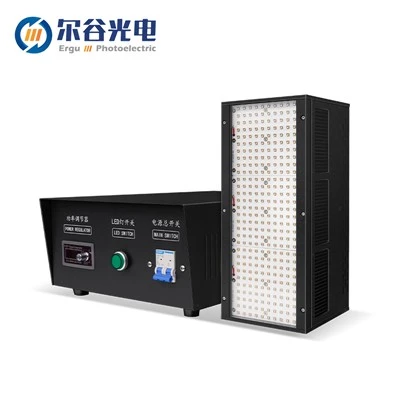
The UV curing process is a critical step in the installation of UV Cured CIPP Liner. A special UV light train is inserted into the inflated liner. The light train emits high - intensity UV light, which activates the photoinitiators in the resin, causing it to harden and cure.


The curing time depends on several factors, including the thickness of the liner, the type of resin used, and the intensity of the UV light. Our UV Cured CIPP Liner is designed to have a relatively fast curing time, which minimizes the disruption to the normal operation of the pipeline. During the curing process, the temperature and light intensity are carefully monitored to ensure that the resin cures evenly and completely.
Step 5: Quality Inspection and Testing
After the curing process is complete, a second CCTV inspection is conducted to verify the quality of the liner installation. The inspection checks for any signs of defects, such as wrinkles, voids, or incomplete curing. The liner is also tested for its structural integrity and leak - tightness.
If any issues are identified during the inspection, appropriate corrective actions are taken. This may involve repairing the liner or repeating the curing process in the affected areas. Once the liner passes the quality inspection and testing, it is ready for service.
Step 6: Final Restoration
The final step in the installation of UV Cured CIPP Liner is the restoration of the pipeline system. This includes reconnecting any pipes, valves, or fittings that were disconnected during the installation process. The access points used for the liner insertion and light train are also sealed and restored.
After the restoration is complete, the pipeline can be returned to normal operation. The UV Cured CIPP Liner provides a long - lasting and reliable solution for pipeline rehabilitation, extending the service life of the pipeline and reducing the need for costly and disruptive excavation.
Why Choose Our UV Cured CIPP Liner?
There are several reasons why our UV Cured CIPP Liner is the preferred choice for pipeline rehabilitation projects. Firstly, our liner is made of high - quality materials and advanced manufacturing processes, ensuring excellent durability and performance. It can withstand high pressures, chemical corrosion, and abrasion, making it suitable for a wide range of applications.
Secondly, the UV curing process is fast and efficient, minimizing the downtime of the pipeline. This is especially important for commercial and industrial applications where continuous operation is crucial.
Thirdly, our company provides comprehensive technical support and after - sales service. Our team of experts is available to assist you throughout the installation process, from pipe inspection to final restoration.
If you're considering a pipeline rehabilitation project, I encourage you to contact us for more information about our UV Cured CIPP Liner. We can provide you with detailed product specifications, case studies, and cost estimates. Our goal is to help you find the best solution for your pipeline needs and ensure the success of your project. Whether you're a contractor, a property owner, or a municipal agency, we're here to work with you and provide you with the highest quality products and services.
References
- "Cured - in - Place Pipe Lining Handbook" by the National Association of Sewer Service Companies
- "Pipeline Rehabilitation Technologies" published by the American Society of Civil Engineers