Can UV Curing Equipment Be Used for Automotive Parts Manufacturing?


In the dynamic landscape of automotive parts manufacturing, the pursuit of efficiency, quality, and sustainability is unending. As a supplier of UV curing equipment, I've witnessed firsthand the transformative potential of this technology in various industries. Today, I'd like to delve into the question: Can UV curing equipment be used for automotive parts manufacturing? The answer is a resounding yes, and in this blog, I'll explore the reasons why, the types of automotive parts that can benefit, and the advantages it brings to the table.
Understanding UV Curing Technology
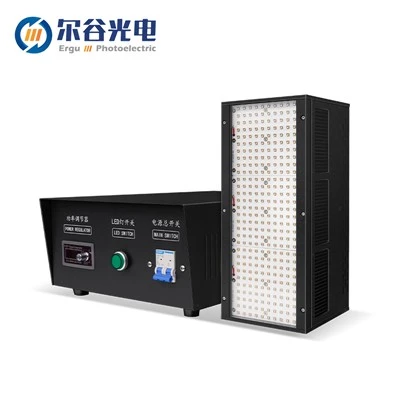
Before we dive into its applications in automotive manufacturing, let's briefly understand what UV curing technology is. UV curing is a process that uses ultraviolet light to instantly cure or harden inks, coatings, adhesives, and other materials. When exposed to UV light, photoinitiators in the material absorb the energy and initiate a chemical reaction that causes the material to cross - link and solidify rapidly. This process is significantly faster than traditional curing methods, such as air - drying or heat - curing.
Applications in Automotive Parts Manufacturing
Interior Parts
Automotive interiors are a prime area where UV curing equipment can be effectively utilized. For instance, dashboard components often require a durable and aesthetically pleasing finish. UV - cured coatings can provide excellent scratch resistance, chemical resistance, and a high - gloss appearance. These coatings can be applied to the plastic or composite materials used in dashboards, and then cured using UV curing equipment like the LY600 - 2DZ5K Uv Curing Oven. The rapid curing time ensures high - volume production without sacrificing quality.
Seat covers and trim pieces also benefit from UV - cured adhesives. These adhesives bond different materials together quickly and securely. The use of UV curing equipment ensures that the bonding process is efficient, reducing production time and improving the overall strength of the assembly.
Exterior Parts
Exterior automotive parts, such as bumpers, fenders, and body panels, are exposed to harsh environmental conditions. UV - cured coatings can offer superior protection against UV radiation, weathering, and abrasion. The UV Cure Equipment can be used to apply and cure these coatings on a large scale. The fast - curing nature of UV technology allows for quick turnaround times in the painting and finishing process, which is crucial in meeting production deadlines.
Electrical and Electronic Components
Modern vehicles are filled with a vast array of electrical and electronic components. UV - cured encapsulants and potting compounds are used to protect these components from moisture, dust, and mechanical stress. For example, the RX400 - 2 Desktop Mercury Lamp Light Curing Equipment can be used for small - scale curing of electronic parts during the manufacturing process. These UV - cured materials provide excellent insulation properties and help to extend the lifespan of the components.
Advantages of Using UV Curing Equipment in Automotive Manufacturing
Speed and Efficiency
One of the most significant advantages of UV curing equipment is its speed. Traditional curing methods can take hours or even days to fully cure a material, while UV curing can be completed in a matter of seconds or minutes. This rapid curing time allows automotive manufacturers to increase their production rates and reduce lead times. For example, in a high - volume production line, the ability to cure coatings or adhesives quickly means that more parts can be processed in a shorter period, leading to higher overall productivity.
Energy Efficiency
UV curing equipment consumes less energy compared to traditional heat - curing methods. Since UV curing does not rely on high temperatures to cure the materials, it reduces the energy required for the curing process. This not only saves on energy costs but also aligns with the automotive industry's growing focus on sustainability.
Quality and Consistency
UV - cured materials offer superior quality and consistency. The rapid and uniform curing process ensures that the coatings, adhesives, or encapsulants have a consistent finish and performance. This reduces the likelihood of defects such as uneven drying, cracking, or peeling, which can be common with traditional curing methods. As a result, automotive parts manufactured using UV curing equipment are more reliable and have a longer service life.
Environmental Friendliness
UV - cured materials are often solvent - free or have low volatile organic compound (VOC) emissions. This makes them a more environmentally friendly option compared to traditional solvent - based materials. With increasing environmental regulations in the automotive industry, the use of UV curing equipment can help manufacturers meet these requirements while still producing high - quality parts.
Challenges and Considerations
While UV curing equipment offers numerous benefits for automotive parts manufacturing, there are also some challenges and considerations. One of the main challenges is the initial investment cost. UV curing equipment can be more expensive to purchase and install compared to traditional curing equipment. However, the long - term savings in terms of energy costs, increased productivity, and reduced waste often offset the initial investment.
Another consideration is the need for proper safety measures. UV light can be harmful to human skin and eyes, so appropriate protective equipment and safety protocols must be in place when operating UV curing equipment. Additionally, the materials used in UV curing must be carefully selected to ensure compatibility with the UV light source and the specific application.
Conclusion
In conclusion, UV curing equipment can indeed be used for automotive parts manufacturing, and it offers a multitude of benefits in terms of speed, efficiency, quality, and environmental friendliness. From interior components to exterior parts and electrical systems, UV curing technology has the potential to revolutionize the way automotive parts are manufactured.
If you're an automotive parts manufacturer looking to improve your production processes, enhance the quality of your products, and meet environmental regulations, I encourage you to explore the use of UV curing equipment. As a supplier of UV curing equipment, I'm here to help you find the right solution for your specific needs. Whether you're interested in the LY600 - 2DZ5K Uv Curing Oven, UV Cure Equipment, or RX400 - 2 Desktop Mercury Lamp Light Curing Equipment, I can provide you with detailed information and support. Don't hesitate to reach out to me for a consultation and to discuss how UV curing technology can benefit your automotive parts manufacturing operations.
References
- "UV Curing Technology: Principles, Processes, and Applications" by C. Lowe
- "Automotive Manufacturing Technology" by R. G. Landers