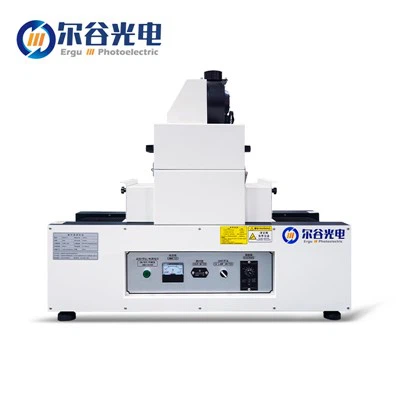
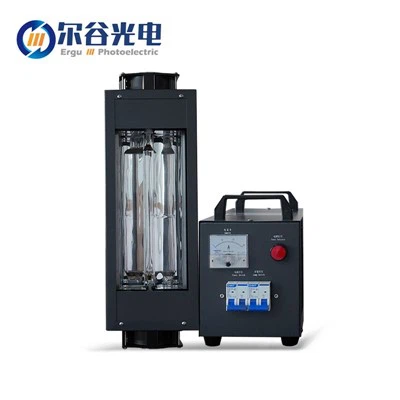
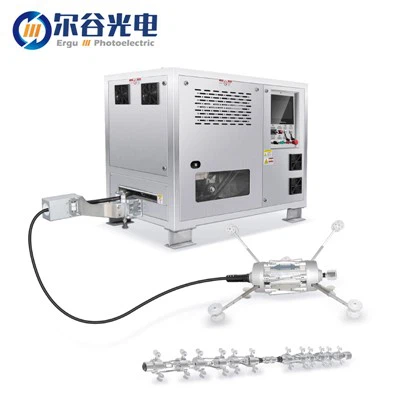
Hey there! As a supplier of UV Ink Curing Lamp, I often get asked about the maximum and minimum working distance of these lamps. So, I thought I'd write this blog to share some insights on this topic.
First off, let's understand what a UV Ink Curing Lamp is. A UV Ink Curing Lamp, like the ones you can check out UV Ink Curing Lamp, is a crucial tool in the printing and coating industries. It uses ultraviolet light to quickly dry and cure inks, glues, and coatings. This process not only speeds up production but also improves the quality of the finished product.
Now, let's dive into the maximum and minimum working distances. The working distance of a UV Ink Curing Lamp refers to the distance between the lamp and the surface of the material being cured. This distance is super important because it directly affects the curing process.
Minimum Working Distance
The minimum working distance is the closest you can place the UV Ink Curing Lamp to the material. This distance is mainly determined by the intensity of the UV light and the heat generated by the lamp.
If you place the lamp too close to the material, the high - intensity UV light can cause over - curing. Over - curing means that the ink or coating cures too quickly on the surface, while the inner layers may not be fully cured. This can lead to issues like cracking, brittleness, and poor adhesion of the ink or coating to the material.

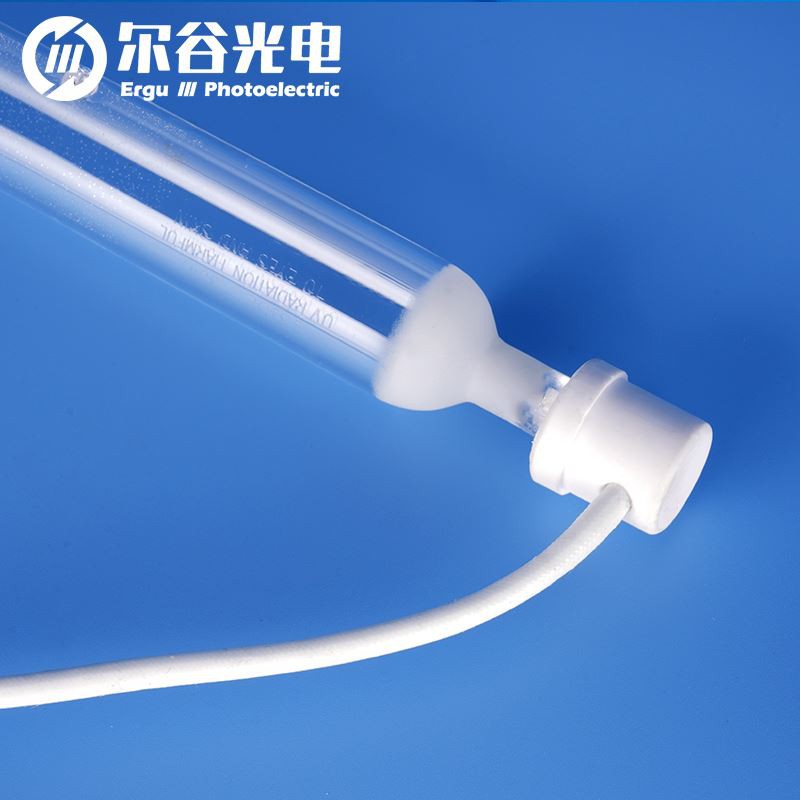
Also, UV lamps generate heat during operation. If the lamp is too close to the material, the heat can damage the material. For example, in the case of plastic materials, excessive heat can cause warping or melting.
Typically, for most of our standard UV Ink Curing Lamps, the minimum working distance is around 5 to 10 centimeters. But this can vary depending on the specific model of the lamp and the type of material being cured. For instance, if you're curing a heat - sensitive material like thin plastic film, you might need to keep a slightly larger minimum distance, say around 8 to 10 centimeters. On the other hand, for more heat - resistant materials like metal, you could potentially get away with a minimum distance closer to 5 centimeters.
Maximum Working Distance
The maximum working distance is the farthest you can place the UV Ink Curing Lamp from the material and still achieve proper curing. As the distance between the lamp and the material increases, the intensity of the UV light reaching the material decreases according to the inverse - square law.
The inverse - square law states that the intensity of light is inversely proportional to the square of the distance from the light source. So, if you double the distance between the lamp and the material, the intensity of the UV light reaching the material drops to a quarter of its original value.
If you place the lamp too far from the material, the UV light intensity may be too low to fully cure the ink or coating. This can result in under - curing, where the ink or coating remains sticky or doesn't harden properly.
For our UV Ink Curing Lamps, the maximum working distance usually ranges from 30 to 50 centimeters. However, this also depends on several factors. The power of the lamp is a major factor. A higher - powered lamp can reach a greater distance while still providing enough UV light intensity for curing. For example, our high - power UV Ink Curing Lamps can sometimes achieve proper curing at distances up to 50 centimeters, while lower - power models may have a maximum working distance of around 30 centimeters.
The type of ink or coating also matters. Some inks and coatings are more sensitive to UV light and can be cured with a lower intensity of UV light, allowing for a greater maximum working distance.
Factors Affecting Working Distance
There are several other factors that can affect the maximum and minimum working distances of a UV Ink Curing Lamp.
Lamp Type
Different types of UV lamps, such as UV Light Curing Lamp and UV Glue Curing Lamp, have different characteristics. High - pressure mercury lamps, for example, emit a broad spectrum of UV light and are more powerful, which may allow for a greater maximum working distance compared to some other types of UV lamps.
Material Thickness
Thicker materials generally require a closer working distance to ensure that the UV light penetrates through the entire thickness of the material. A thicker layer of ink or coating needs more UV energy to cure completely, and placing the lamp closer can help provide the necessary energy.
Curing Time
If you have more time for the curing process, you can afford to place the lamp at a greater distance. By increasing the curing time, the lower - intensity UV light over a longer period can still achieve proper curing. However, in a production environment where time is of the essence, you'll need to find the optimal working distance to balance curing time and quality.
How to Determine the Right Working Distance
To find the ideal working distance for your specific application, it's a good idea to conduct some tests. You can start by setting the lamp at the recommended minimum and maximum distances and observe the curing results.
Make a series of test samples using the same material, ink, or coating. Place the lamp at different distances for each sample and note the curing time, the appearance of the cured material (check for cracking, adhesion, etc.), and the overall quality.
You can also use a UV radiometer to measure the intensity of the UV light at different distances from the lamp. This will give you a more accurate understanding of how the intensity changes with distance and help you determine the right working distance for your specific requirements.
Conclusion
In conclusion, the maximum and minimum working distances of a UV Ink Curing Lamp are crucial factors that can make or break the curing process. The minimum distance is limited by the risk of over - curing and heat damage, while the maximum distance is restricted by the decrease in UV light intensity.
As a supplier of UV Ink Curing Lamps, we're always here to help you find the right working distance for your application. Whether you're in the printing industry, the packaging industry, or any other field that uses UV curing, we can provide you with the best advice and the most suitable lamps.
If you're interested in our UV Ink Curing Lamps or have any questions about the working distances or other aspects of UV curing, don't hesitate to reach out. We're eager to discuss your needs and help you find the perfect solution for your curing requirements.
References
- "UV Curing Technology" by John W. Watts
- Industry reports on UV curing equipment performance and application.