As a supplier of UV Drying Light, I often receive inquiries from customers about the safety of UV drying lights. This is a crucial concern, as the well - being of users is of utmost importance. In this blog, I will delve into the topic of whether UV drying lights can cause harm to the human body, providing a comprehensive and scientific analysis.
Understanding UV Drying Lights
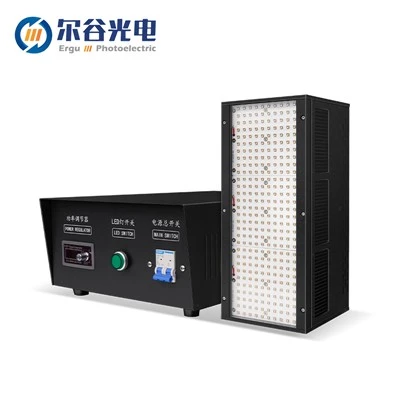
UV drying lights are a type of equipment that emits ultraviolet (UV) light to cure or dry various materials such as inks, coatings, adhesives, and resins. The principle behind UV drying is based on the photochemical reaction that occurs when the UV - sensitive substances in these materials are exposed to UV light. This reaction causes the substances to polymerize and harden rapidly, which is highly efficient for industrial and commercial applications.
There are different types of UV light, classified into three main bands: UVA (320 - 400 nm), UVB (280 - 320 nm), and UVC (100 - 280 nm). Most UV drying lights emit UVA and sometimes a small amount of UVB. UVC is generally not used in drying applications because it is highly germicidal and can be extremely harmful to living organisms.
Potential Harmful Effects of UV Light on the Human Body
Skin Damage
The skin is the most exposed organ to UV light. Prolonged or excessive exposure to UV light can cause a variety of skin problems. UVA can penetrate deep into the dermis, damaging collagen and elastin fibers. This leads to premature aging of the skin, including wrinkles, sagging, and age spots. UVB, on the other hand, mainly affects the epidermis and is the primary cause of sunburn. It can also increase the risk of skin cancer, such as basal cell carcinoma, squamous cell carcinoma, and melanoma.
When using UV drying lights, direct and unprotected exposure of the skin to the UV rays can lead to similar effects. Workers in industries where UV drying lights are used may experience skin redness, itching, and in severe cases, blistering if they are not properly protected.
Eye Damage
The eyes are also very sensitive to UV light. UVA and UVB can cause damage to the cornea, lens, and retina. Short - term exposure to high - intensity UV light can cause photokeratitis, which is similar to a sunburn of the eye. Symptoms include pain, redness, tearing, and a feeling of having sand in the eyes. Long - term exposure to UV light increases the risk of cataracts, a clouding of the eye's lens, and age - related macular degeneration, which can lead to vision loss.
Immune System Suppression
Excessive UV exposure can suppress the immune system. The skin has an immune surveillance system that helps to protect the body from infections and cancer. UV light can disrupt this system, making the body more susceptible to various diseases. This is a concern for workers who are regularly exposed to UV drying lights, as it may increase their risk of getting sick.
Safety Measures in Using UV Drying Lights
Protective Clothing
Wearing appropriate protective clothing is essential when working with UV drying lights. This includes long - sleeved shirts, long pants, and gloves made of materials that can block UV rays. Specialized UV - blocking fabrics are available in the market, which can provide a high level of protection.
Eye Protection
Safety glasses or goggles specifically designed to block UV light should be worn at all times when operating UV drying lights. These glasses are usually tinted to absorb or reflect UV rays, reducing the amount of UV light that reaches the eyes.
Enclosures and Shields
UV drying lights should be installed in enclosures or equipped with shields to prevent the UV rays from escaping and exposing workers. These enclosures can be made of materials that absorb or reflect UV light, creating a safe working environment.
Training and Education
Workers who use UV drying lights should receive proper training on the safe use of the equipment. They should be educated about the potential risks of UV exposure and the importance of following safety procedures. Regular safety training sessions can help to reinforce these concepts and ensure that workers are aware of the latest safety guidelines.
Our Company's Approach to Safety
As a supplier of UV Drying Light, we take safety very seriously. Our UV drying lights are designed with multiple safety features. For example, our products are equipped with automatic shut - off mechanisms that activate when the enclosure is opened, preventing accidental exposure to UV rays. We also provide detailed safety instructions and guidelines with each product, and offer training services to our customers.
In addition, we are constantly researching and developing new technologies to reduce the potential harm of UV drying lights. We are exploring the use of alternative light sources that are less harmful to the human body while still maintaining high - efficiency drying performance.


Conclusion
In conclusion, UV drying lights can cause harm to the human body if not used properly. However, with the right safety measures in place, the risks can be significantly reduced. As a responsible supplier, we are committed to providing our customers with safe and reliable UV drying lights. We believe that by working together with our customers, we can ensure that the use of UV drying lights is both efficient and safe.
If you are interested in our UV Drying Light products or have any questions about their safety and performance, please feel free to contact us. We are more than happy to discuss your specific needs and provide you with the best solutions. Let's work together to achieve your drying and curing goals in a safe and efficient manner.
References
- Diffey, B. L. (1991). Solar ultraviolet radiation effects on biological systems. Physiological Reviews, 71(3), 57 - 114.
- de Gruijl, F. R., & van der Leun, J. C. (1994). Skin cancer and solar UV exposure: an overview. Photodermatology, Photoimmunology & Photomedicine, 10(4), 140 - 149.
- World Health Organization. (2002). Global Solar UV Index: A Practical Guide. World Health Organization.