Hey there! As a supplier of oven UV products, I often get asked a really interesting question: "Can UV in an oven be used for drying food?" In this blog post, I'm gonna delve deep into this topic, share some science with you, and give my two - cents on the practicality of using UV in an oven for drying food.
First things first, let's understand what UV is. UV, or ultraviolet light, is a type of electromagnetic radiation that sits just outside the visible light spectrum. There are three main types of UV rays: UVA, UVB, and UVC. Each type has different wavelengths and properties. UVC has the shortest wavelength and is the most energetic and dangerous. But in the context of an oven, UVC is usually not used because of its high potential to damage cells and its need for strict safety handling.
When it comes to drying food, the traditional methods mostly rely on heat. A common way is to use hot air circulation in an oven. The heat causes the moisture in the food to evaporate, and over time, the food gets dried. This process has been around for ages, and it's pretty well - understood.
So, can UV take the place of heat in drying food? Well, the answer isn't a straight "yes" or "no".
On one hand, UV does have some effects that could theoretically help with food drying. UV light has the ability to break the chemical bonds of water molecules to some extent. When UV rays hit water in the food, they can supply energy to the water molecules. This can make the water molecules more likely to escape from the food's surface and enter the air.
There's also the aspect of microbial control. UV light is known for its germicidal properties. When used in an oven for drying food, it can help reduce the number of bacteria, yeasts, and molds on the food's surface. This is especially important for food that will be stored for a long time. By reducing the microbial load, the shelf - life of the dried food can be extended.
However, there are some major drawbacks too. One big issue is penetration. UV light doesn't penetrate food very deeply. It mainly affects the very surface of the food. So, if you're trying to dry a whole piece of meat or a thick slice of bread, the inside of the food will stay moist while the outside gets treated by the UV. This can lead to uneven drying and potentially create an environment where bacteria can still thrive inside the food.
Another problem is the taste and quality of the food. Extended exposure to UV light can cause chemical changes in the food. For example, it can break down some of the vitamins, such as vitamin C and vitamin E, and also affect the flavor compounds in the food. This can result in a loss of nutritional value and a change in the taste of the dried food. The food might end up having a rather "off - flavor" that isn't very appealing.


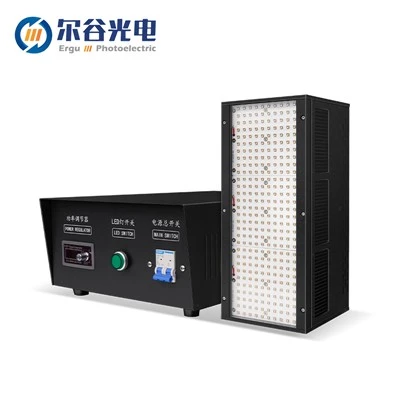
Now, let me tell you a bit about the UV products we offer at our company. We have a range of high - quality products that are designed for different applications. For instance, our UV Light Glue Curing system is great for industries that need to cure glue quickly and effectively. It uses the power of UV light to harden the glue in a very short time.
Our UV Gel Dryer is a popular choice among beauty salons and DIY enthusiasts. It can dry gel nails in minutes, providing a long - lasting and shiny finish.
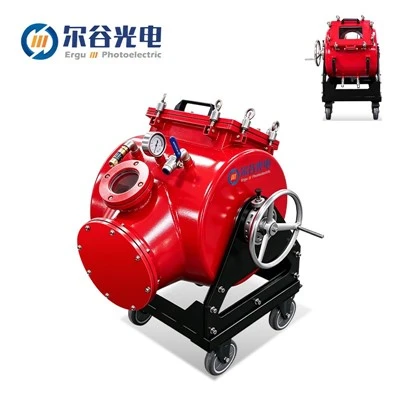
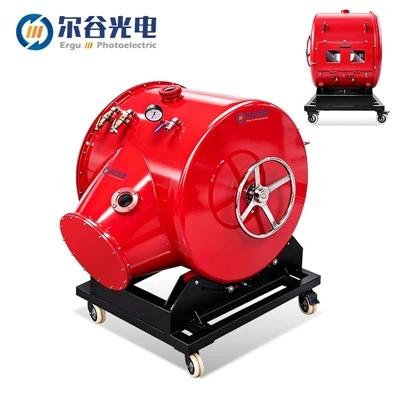
And then there's our UV Curing Chamber. This is a large - scale solution for industries that need to cure multiple items at once. It's handy for products like 3D - printed parts or electronic components where fast and efficient curing is required.
While these products aren't typically used for drying food, they do show the potential of UV technology in other areas. The same principles of how UV interacts with substances can give us some insights into the limitations and possibilities of using UV for food drying.
In conclusion, while UV in an oven has the potential for assisting in food drying due to its water - molecule - breaking ability and germicidal properties, it comes with some significant limitations such as poor penetration and possible negative impacts on food quality. It might be possible to use UV as a supplementary method in combination with traditional heat - based drying, but using it as the sole method for drying food seems to be a bit of a stretch at the moment.
If you're interested in our UV oven products for other applications like glue curing, gel drying, or other industrial uses, we'd love to have a chat with you. Whether you're a small - scale business or a large corporation, our team of experts can help you find the right solution for your needs. Just reach out to us, and we'll be more than happy to start a conversation about your requirements.
References:
- "Ultraviolet Radiation: Effects on Biological Systems" by various authors.
- "Food Drying Technology: Principles and Practice" by a well - known food science expert.