Composites have become an integral part of various industries due to their excellent mechanical properties, lightweight nature, and corrosion resistance. However, the performance of these composites is significantly influenced by the curing process. Among the various curing methods available, UV light curing has emerged as a highly efficient and effective technique. As a UV Light Curing Lamp supplier, I have witnessed firsthand how these lamps can improve the performance of cured composites. In this blog, I will delve into the science behind UV light curing and explore how it enhances the properties of composites.
Understanding UV Light Curing
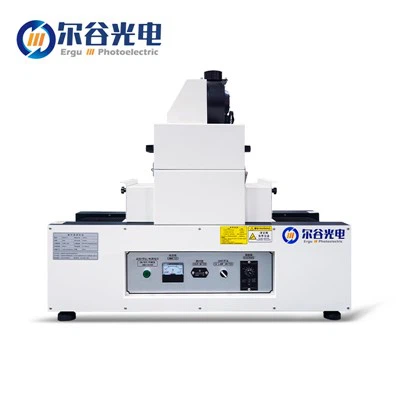
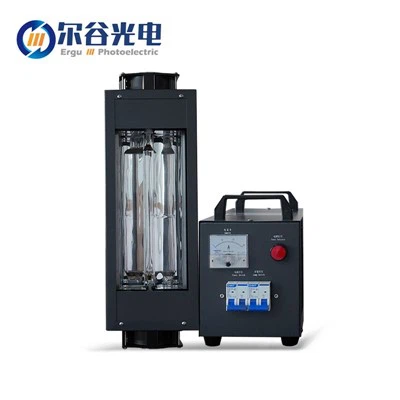
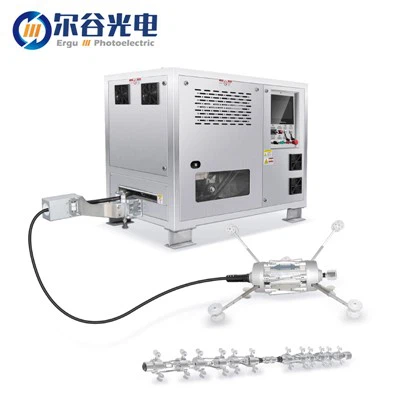
UV light curing is a photochemical process that uses ultraviolet light to initiate a chemical reaction in a photosensitive resin or adhesive, causing it to harden or cure rapidly. The process involves the use of a UV light source, typically a UV lamp, which emits light in the ultraviolet spectrum. When the UV light hits the photosensitive material, it activates photoinitiators within the resin or adhesive. These photoinitiators break down into reactive species, such as free radicals or cations, which then react with the monomers and oligomers in the material, causing them to polymerize and form a solid, cross-linked network.
One of the key advantages of UV light curing is its speed. Unlike traditional curing methods, such as thermal curing, which can take hours or even days to complete, UV light curing can be achieved in a matter of seconds or minutes. This rapid curing time not only increases productivity but also reduces the risk of defects and improves the overall quality of the cured composite.
How UV Light Curing Lamps Improve Composite Performance
1. Enhanced Mechanical Properties
UV light curing can significantly improve the mechanical properties of composites, such as strength, stiffness, and hardness. The rapid curing process allows for the formation of a more uniform and dense cross-linked network, which provides better load transfer and resistance to deformation. Additionally, the high-intensity UV light can penetrate deep into the composite material, ensuring that the entire thickness of the material is fully cured. This results in a stronger and more durable composite that can withstand higher stresses and strains.
For example, in the automotive industry, UV-cured composites are used to manufacture parts such as body panels, bumpers, and interior components. These parts require high strength and stiffness to withstand the rigors of daily use and provide protection in the event of a collision. UV light curing helps to achieve these properties by creating a strong and uniform bond between the fibers and the matrix material, resulting in a composite with excellent mechanical performance.
2. Improved Chemical Resistance
Composites are often exposed to harsh chemicals and environments, which can degrade their performance over time. UV light curing can improve the chemical resistance of composites by creating a more stable and cross-linked structure. The cross-linked network formed during the curing process acts as a barrier, preventing the penetration of chemicals and solvents into the composite material. This makes UV-cured composites more resistant to corrosion, chemical attack, and environmental degradation.
In the aerospace industry, for instance, UV-cured composites are used to manufacture components that are exposed to extreme temperatures, high pressures, and corrosive chemicals. These components need to have excellent chemical resistance to ensure their long-term performance and reliability. UV light curing helps to achieve this by creating a dense and impermeable surface that protects the composite from chemical damage.
3. Better Dimensional Stability
Dimensional stability is an important property for composites, especially in applications where precise dimensions are required. UV light curing can improve the dimensional stability of composites by minimizing shrinkage and warping during the curing process. The rapid curing time of UV light curing reduces the amount of time that the composite is in a liquid or semi-liquid state, which helps to prevent the formation of internal stresses and distortions.
In the electronics industry, for example, UV-cured composites are used to manufacture printed circuit boards (PCBs). These boards need to have high dimensional stability to ensure the proper alignment of components and the reliable operation of electronic devices. UV light curing helps to achieve this by creating a composite with minimal shrinkage and warping, resulting in a PCB with accurate dimensions and excellent electrical performance.
4. Increased Adhesion
UV light curing can also improve the adhesion between the fibers and the matrix material in composites. The photoinitiators used in the UV curing process can create reactive species that can bond with the surface of the fibers, forming a strong and durable interface between the fibers and the matrix. This improved adhesion helps to transfer the load more effectively between the fibers and the matrix, resulting in a composite with better mechanical properties.
In the construction industry, for instance, UV-cured composites are used to repair and strengthen concrete structures. These composites need to have good adhesion to the concrete surface to ensure their long-term performance and effectiveness. UV light curing helps to achieve this by creating a strong bond between the composite and the concrete, resulting in a repair or strengthening solution that is both durable and reliable.
Types of UV Light Curing Lamps
There are several types of UV light curing lamps available on the market, each with its own unique characteristics and applications. As a UV Light Curing Lamp supplier, I offer a wide range of lamps to meet the diverse needs of my customers. Some of the most common types of UV light curing lamps include:

1. Mercury Vapor Lamps
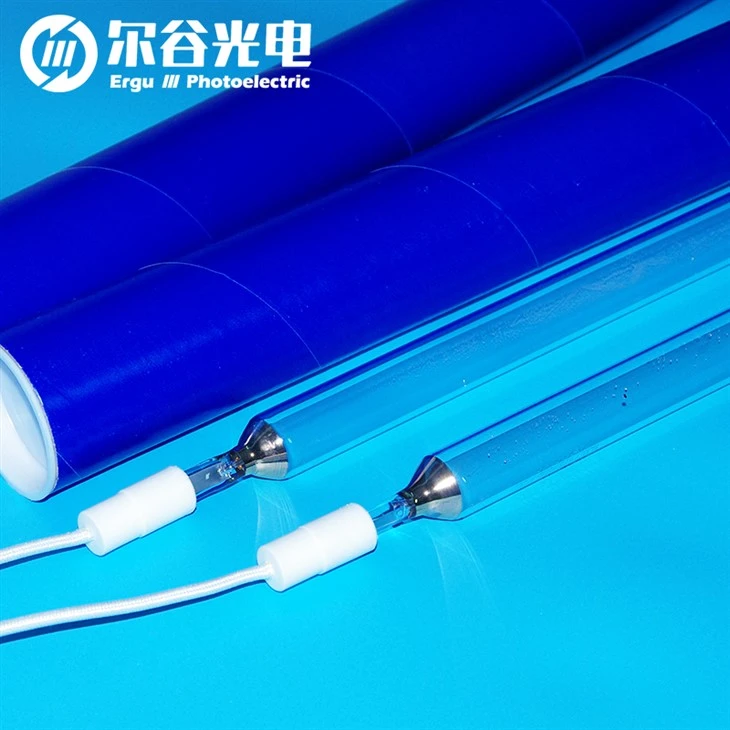
Mercury vapor lamps are the most traditional type of UV light curing lamps. They emit a broad spectrum of UV light, including UVA, UVB, and UVC wavelengths. Mercury vapor lamps are known for their high intensity and long lifespan, making them suitable for a wide range of applications. However, they also have some drawbacks, such as high energy consumption, heat generation, and the need for a warm-up period.
UV Ink Curing Lamp is a type of mercury vapor lamp that is specifically designed for curing UV inks. These lamps emit a high-intensity UV light that can quickly and efficiently cure the ink, resulting in a high-quality print with excellent adhesion and durability.
2. LED UV Lamps
LED UV lamps are a relatively new type of UV light curing lamps that have gained popularity in recent years. They use light-emitting diodes (LEDs) to emit UV light, which offers several advantages over traditional mercury vapor lamps. LED UV lamps are more energy-efficient, generate less heat, and have a longer lifespan. They also offer better control over the UV wavelength and intensity, allowing for more precise curing of the composite material.
UV Light Curing Lamp is a type of LED UV lamp that is designed for general-purpose UV light curing applications. These lamps are available in a variety of sizes and configurations, making them suitable for a wide range of industries and applications.
3. Metal Halide Lamps
Metal halide lamps are another type of UV light curing lamps that are commonly used in industrial applications. They are similar to mercury vapor lamps but contain additional metal halides, such as iron, gallium, or indium, which can enhance the emission of specific UV wavelengths. Metal halide lamps offer a high-intensity UV light that is suitable for curing thick or pigmented composite materials.
UV Glue Curing Lamp is a type of metal halide lamp that is specifically designed for curing UV glue. These lamps emit a high-intensity UV light that can quickly and efficiently cure the glue, resulting in a strong and durable bond.
Conclusion
UV light curing lamps play a crucial role in improving the performance of cured composites. By providing a rapid, efficient, and precise curing process, UV light curing lamps can enhance the mechanical properties, chemical resistance, dimensional stability, and adhesion of composites. As a UV Light Curing Lamp supplier, I am committed to providing high-quality lamps that meet the diverse needs of my customers. Whether you are in the automotive, aerospace, electronics, or construction industry, I can help you find the right UV light curing lamp for your application.
If you are interested in learning more about how UV light curing lamps can improve the performance of your composites or if you would like to discuss your specific requirements, please feel free to contact me. I would be happy to assist you in finding the best solution for your needs.
References
- "UV Curing Technology: Principles, Processes, and Applications" by Dr. Wolfgang Bäumer and Dr. Dieter Kuckmann.
- "Composites: Materials, Manufacturing, and Design" by Daniel Asp and John W. Weeton.
- "UV LED Curing: A New Era in Curing Technology" by Dr. Thomas G. Webster and Dr. David L. Kaplan.