In the dynamic and ever - evolving textile industry, the search for efficient and high - quality coating curing methods is a continuous endeavor. I am a supplier of UV Light Curing Lamp, and many of my clients have raised the question: Can a UV light curing lamp be used for curing textile coatings? In this blog, I will delve into the science, advantages, challenges, and practical considerations of using UV light curing lamps for textile coatings.
The Science Behind UV Curing
To understand whether UV light can cure textile coatings, we first need to comprehend the mechanism of UV curing. UV curing is a photochemical process in which chemical substances, such as monomers, oligomers, and photoinitiators, react when exposed to ultraviolet light. Photoinitiators absorb UV light, generating free radicals or cations. These reactive species then initiate the polymerization of monomers and oligomers, transforming the liquid coating into a solid polymer network.
In the context of textile coatings, a UV - curable coating typically contains these essential components. When a UV Light Curing Lamp emits the appropriate wavelength of UV light, it provides the energy needed to trigger the polymerization reaction in the coating. Different types of photoinitiators are sensitive to specific UV wavelengths, so choosing a lamp with the correct spectrum is crucial.
Advantages of Using UV Light Curing Lamps for Textile Coatings
- Rapid Curing: One of the most significant advantages of UV light curing is its speed. UV - curable textile coatings can cure in a matter of seconds or minutes, compared to traditional thermal curing methods that may take hours. This rapid curing time increases production efficiency, allowing textile manufacturers to produce more products in less time. For example, in a large - scale textile production line, the use of UV curing can significantly reduce the bottleneck caused by long curing times, enabling continuous production.
- Energy Efficiency: UV light curing lamps consume less energy compared to traditional thermal curing ovens. Since UV curing only requires the energy to generate the UV light, rather than heating a large volume of air or the entire textile substrate, it is a more energy - efficient solution. This not only reduces operating costs for textile manufacturers but also aligns with the growing global trend towards sustainable manufacturing.
- Enhanced Coating Properties: UV - cured textile coatings often exhibit superior properties. They have better abrasion resistance, chemical resistance, and adhesion to the textile substrate. This means that the coated textiles are more durable and can maintain their appearance and functionality for a longer time. For instance, in outdoor textile applications such as awnings and tents, UV - cured coatings can provide better protection against sunlight, rain, and environmental pollutants.
- Low - VOC Emissions: Volatile organic compounds (VOCs) are harmful substances released during the curing process of many traditional coatings. UV - curable textile coatings are typically formulated with low or no VOCs, which makes them an environmentally friendly option. This is increasingly important as regulations on VOC emissions become more stringent in many regions.
Challenges and Limitations
- Penetration Depth: One of the main challenges of using UV light for textile coating curing is the limited penetration depth. Textiles are porous materials, and the UV light may not be able to reach all the coating layers within the fabric. This can result in incomplete curing, especially for thicker coatings or dense textiles. To overcome this, special formulations of UV - curable coatings with better light - scattering properties or the use of multiple UV light sources from different angles may be required.
- Substrate Sensitivity: Some textile substrates may be sensitive to UV light. Prolonged exposure to UV light can cause discoloration, degradation, or damage to the fabric. Synthetic fibers, in particular, may be more prone to such issues. Manufacturers need to carefully select the appropriate UV light intensity and exposure time to minimize the impact on the textile substrate.
- Formulation Complexity: Developing UV - curable textile coatings requires a high level of expertise. The formulation needs to consider factors such as the type of textile substrate, the desired coating properties, and the compatibility with the UV light source. This complexity can increase the cost and time required for product development.
Practical Considerations for Using UV Light Curing Lamps
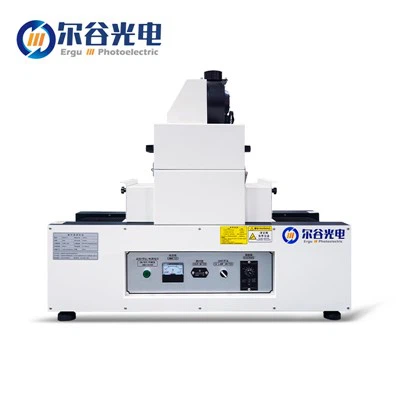
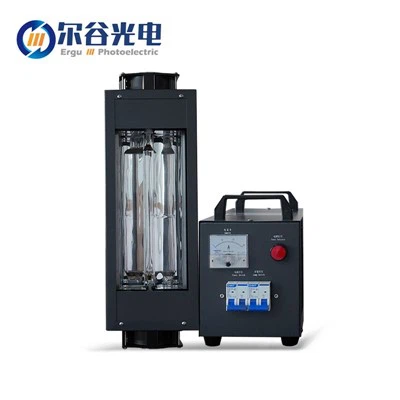
- Lamp Selection: Choosing the right UV Light Curing Lamp is essential. Different lamps have different spectral outputs, power densities, and curing efficiencies. For example, high - pressure mercury lamps are commonly used for UV curing, but they may not be suitable for all textile applications. UV Glue Curing Lamp and UV Ink Curing Lamp may have specific characteristics optimized for certain types of curing processes. Consideration should also be given to the size of the lamp, its durability, and ease of maintenance.
- Process Control: Precise process control is necessary to ensure consistent and high - quality curing. Factors such as the speed of the textile conveyor, the distance between the lamp and the textile, and the intensity of the UV light need to be carefully adjusted. Automated control systems can be used to monitor and regulate these parameters, ensuring that the curing process is repeatable and reliable.
- Safety Measures: UV light can be harmful to human skin and eyes. Therefore, appropriate safety measures must be implemented in the production environment. This includes installing UV - blocking shields around the curing area, providing personal protective equipment (PPE) such as goggles and gloves for workers, and ensuring proper ventilation to remove any potential ozone generated by the lamps.
Case Studies and Industry Applications
In recent years, there have been several successful applications of UV light curing lamps in the textile industry. For example, in the production of digital printed textiles, UV - curable inks are increasingly being used. The UV Ink Curing Lamp can quickly cure the inks, allowing for high - speed printing and sharp image quality. Another application is in the coating of sportswear. UV - cured coatings can provide water - repellent, stain - resistant, and breathable properties, enhancing the performance of the sportswear.
Conclusion and Call to Action
In conclusion, a UV light curing lamp can indeed be used for curing textile coatings, offering numerous advantages such as rapid curing, energy efficiency, enhanced coating properties, and low - VOC emissions. However, it also faces challenges such as limited penetration depth, substrate sensitivity, and formulation complexity. With careful lamp selection, precise process control, and appropriate safety measures, these challenges can be effectively addressed.
If you are a textile manufacturer looking to improve your coating curing process, I invite you to explore the potential of our UV Light Curing Lamp solutions. Our team of experts is ready to work with you to understand your specific requirements and provide customized curing solutions. Contact us today to start a discussion about how we can help you enhance your textile production process.


References
- "UV Curing Technology: Principles, Processes, and Applications" by C. Lowe
- "Textile Coating and Laminating" by W. Schindler and P. Hauser
- Industry reports on UV - curable coatings in the textile sector from market research firms.