Air humidity is one of those environmental factors that can sneak up on you when you're operating a varnish dryer. As a varnish dryer supplier, I've seen firsthand how humidity can throw a wrench into the smooth operation of these machines. In this blog, I'll break down how air humidity affects varnish dryers and what you can do about it.
Understanding Varnish Drying Basics
Before we dive into the impact of humidity, let's quickly go over how varnish dryers work. Varnish is applied to a surface, and then the dryer uses heat, ultraviolet (UV) light, or a combination of both to cure the varnish. Curing is a chemical process that turns the liquid varnish into a hard, protective coating.
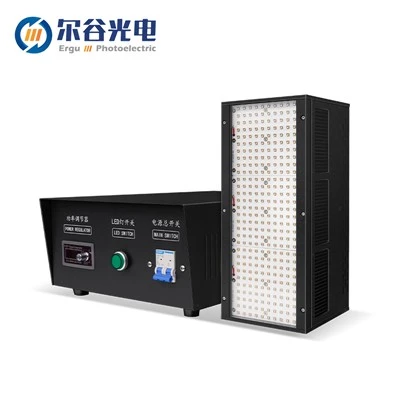
There are different types of varnish dryers on the market, each with its own set of advantages. For example, there's the Varnish Curing Oven, which uses heat to dry the varnish evenly. Then there's the RX300 - 1 Desktop Uv Light For Glue Curing Device for smaller, more precise projects. And of course, the Ultraviolet Dryer / Small UV curing machine and UV Drying Equipment are great for fast - drying UV - curable varnishes. The UV Curing Machine for Screen Printing is specifically designed for the screen - printing industry.


How High Humidity Affects Varnish Dryers
1. Extended Drying Times
When the air is humid, it's saturated with water vapor. This means that the water in the varnish has a harder time evaporating into the air. In a varnish dryer that relies on heat to dry the varnish, high humidity can slow down the evaporation process significantly. For example, if you usually expect a certain varnish to dry within 30 minutes in a low - humidity environment, in high humidity, that same varnish could take an hour or more. This is a major problem if you have a production line because it can slow down your overall production rate.
2. Poor Finish Quality
High humidity can also lead to a poor finish on the varnished surface. As the varnish dries more slowly due to the humidity, it has more time to absorb moisture from the air. This can cause the varnish to become cloudy or hazy, and it may not form a smooth, even surface. In the case of UV - curable varnishes, high humidity can interfere with the curing process. The water vapor in the air can absorb some of the UV light, preventing it from fully penetrating the varnish. This results in an uneven cure, with some parts of the varnish being under - cured and others being over - cured.
3. Mold and Mildew Growth
Another issue with high humidity is the increased risk of mold and mildew growth. If the varnish doesn't dry properly due to high humidity, it can create a moist environment that's perfect for mold and mildew to thrive. This not only affects the appearance of the varnished product but also its durability. Mold and mildew can break down the varnish over time, leading to premature failure of the coating.
How Low Humidity Affects Varnish Dryers
1. Cracking and Splitting
On the other end of the spectrum, low humidity can also cause problems. When the air is too dry, the varnish can dry too quickly. This rapid drying can cause the varnish to shrink and crack. In some cases, the cracking can be so severe that it compromises the integrity of the coating. For example, if you're varnishing a wooden surface, the cracks in the varnish can allow moisture to seep in, which can lead to wood rot over time.
2. Static Electricity
Low humidity often leads to the build - up of static electricity. In a varnish dryer, this static electricity can attract dust and other particles to the wet varnish. When the varnish dries, these particles become embedded in the coating, resulting in a rough and uneven finish. Static electricity can also cause problems with the operation of the dryer itself, such as interfering with electronic components.
Controlling Humidity for Optimal Varnish Drying
So, what can you do to control humidity and ensure optimal operation of your varnish dryer?
1. Use a Dehumidifier or Humidifier
If you're dealing with high humidity, a dehumidifier can be your best friend. A dehumidifier removes moisture from the air, creating a drier environment for the varnish to dry in. On the other hand, if you have low humidity, a humidifier can add moisture to the air, preventing the varnish from drying too quickly.
2. Monitor Humidity Levels
Invest in a good quality hygrometer to monitor the humidity levels in your workspace. This will allow you to make adjustments to your humidity control equipment as needed. Most varnish manufacturers recommend a relative humidity level between 40% and 60% for optimal drying.
3. Ventilate the Workspace
Proper ventilation is crucial for maintaining a stable humidity level. Make sure your workspace is well - ventilated to allow for the exchange of air. This can help remove excess moisture in high humidity conditions and prevent the build - up of static electricity in low humidity conditions.
Conclusion
As you can see, air humidity plays a crucial role in the operation of a varnish dryer. Whether it's high humidity causing extended drying times and poor finish quality or low humidity leading to cracking and static electricity, the impact of humidity can't be ignored. As a varnish dryer supplier, we understand the importance of providing you with not only high - quality drying equipment but also the knowledge to use it effectively.
If you're in the market for a new varnish dryer or need advice on humidity control for your existing setup, don't hesitate to reach out. We're here to help you make the most of your varnish - drying process. Contact us today to start a conversation about how we can meet your specific needs.
References
- ASTM International. Standards related to coating application and drying under varying environmental conditions.
- Industrial painting and coating textbooks that discuss the impact of environmental factors on coating processes.