As a supplier of LED cure lights, I've seen firsthand how crucial curing time is in the UV curing process. Different LED cure lights can have a significant impact on how long it takes to cure materials, and this can affect production efficiency and quality. In this blog, I'll share some insights into how curing time varies with different LED cure lights.


Understanding the Basics of LED Curing
Before we dive into how curing time varies, let's quickly go over the basics of LED curing. LED cure lights work by emitting ultraviolet (UV) light at specific wavelengths. When this UV light hits a UV - curable material, it causes a chemical reaction called polymerization. This reaction turns the liquid material into a solid, which is the curing process.
The curing time depends on several factors, including the type of material being cured, the intensity of the LED light, the wavelength of the light, and the distance between the light source and the material.
Impact of Light Intensity on Curing Time
One of the most significant factors affecting curing time is the intensity of the LED cure light. Higher - intensity lights can deliver more UV energy to the material in a shorter period. For example, if you're using a low - intensity LED cure light, it might take a couple of minutes to cure a thin layer of UV - curable ink. But if you switch to a high - intensity light, you could potentially cut that curing time down to just a few seconds.
As a supplier, we offer a range of LED cure lights with different intensities. Our UV LED Spot Curing System is designed for applications where high - intensity, focused curing is required. It can significantly reduce the curing time for small - area applications, such as bonding electronic components or curing small parts in jewelry making.
Role of Wavelength in Curing Time
The wavelength of the LED light also plays a vital role in the curing process. Different UV - curable materials are formulated to respond to specific wavelengths of UV light. For instance, some materials are more sensitive to UVA light (320 - 400 nm), while others work better with UVB (280 - 320 nm) or UVC (100 - 280 nm) light.
If you use an LED cure light with the wrong wavelength for your material, the curing process will be much slower, or it might not even work at all. That's why it's essential to choose an LED cure light with the appropriate wavelength for your specific application. Our Industrial UV Curing Lamps come in a variety of wavelengths, allowing you to select the right one for your UV - curable materials.
Distance from the Light Source
The distance between the LED cure light and the material being cured also affects the curing time. The farther the light source is from the material, the more the UV energy spreads out, and the less intense it becomes at the material's surface.
For example, if you place an LED cure light too far away from a layer of UV - curable coating, it will take longer for the coating to cure because it's receiving less UV energy. On the other hand, if you place the light too close, you risk over - curing the material, which can lead to issues like cracking or discoloration.
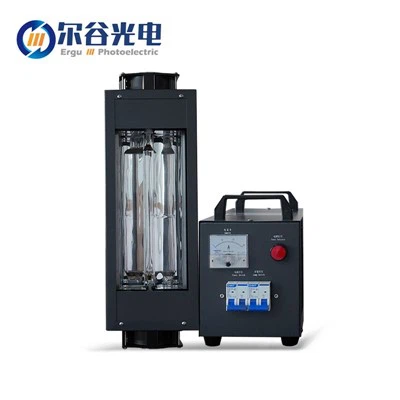
We recommend following the manufacturer's guidelines for the optimal distance when using our UV LED Curing Lamp. This ensures that you get the best curing results in the shortest possible time.
Different Types of LED Cure Lights and Their Curing Times
There are several types of LED cure lights available, each with its own characteristics and curing times.
- Spot Curing Lights: These lights are designed to focus the UV light on a small, specific area. They are great for applications like dental fillings, where you need to cure a small amount of material quickly. Our UV LED Spot Curing System can cure dental composites in just a few seconds, which is much faster than traditional curing methods.
- Area Curing Lights: Area curing lights are used to cure larger areas of material. They typically have a lower intensity per unit area compared to spot curing lights but cover a wider space. The curing time for area curing lights depends on the size of the area and the type of material. For example, curing a large sheet of UV - curable adhesive might take a few minutes with an area curing light.
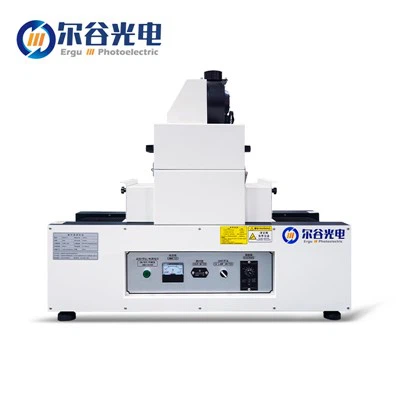
- Conveyor - Based Curing Systems: These systems are used in industrial production lines. The material is placed on a conveyor belt and moves under the LED cure light. The curing time is determined by the speed of the conveyor belt and the intensity of the light. By adjusting these parameters, you can achieve efficient and consistent curing for high - volume production.
Real - World Applications and Curing Time Considerations
Let's look at some real - world applications and how the choice of LED cure light affects curing time.
- Printing Industry: In the printing industry, UV - curable inks are becoming more popular because they dry quickly and produce high - quality prints. A high - intensity LED cure light can significantly speed up the drying process, allowing printers to increase their production speed. For example, a printer using our UV LED Curing Lamp can cure a full - color print in a matter of seconds, compared to traditional drying methods that might take minutes or even hours.
- Woodworking: In woodworking, UV - curable coatings are used to protect and enhance the appearance of wood products. The curing time can impact the overall production process. Using an LED cure light with the right intensity and wavelength can reduce the curing time, enabling woodworkers to finish their projects more quickly and move on to the next one.
How to Optimize Curing Time
As a supplier, I want to help our customers get the best curing results in the shortest time possible. Here are some tips for optimizing curing time:
- Choose the Right Light: Select an LED cure light based on the type of material, the size of the area to be cured, and the required intensity. Make sure the light has the appropriate wavelength for your material.
- Optimize the Distance: Keep the correct distance between the light source and the material as recommended in the product manual.
- Conduct Tests: Before starting a large - scale project, conduct small - scale tests with different settings to find the optimal curing time and conditions.
Why Choose Us as Your LED Cure Light Supplier
We take pride in offering high - quality LED cure lights that are designed to provide efficient and reliable curing solutions. Our products are tested and proven to meet the needs of various industries. Whether you're in the dental field, printing, woodworking, or any other industry that requires UV curing, we have the right LED cure light for you.
If you're looking for ways to improve your curing process, reduce production time, and enhance the quality of your products, we'd love to have a chat with you. Contact us to discuss your specific requirements and find out how our LED cure lights can help you achieve your goals. We're here to support you every step of the way.
References
- Brock, G., & Grieve, A. (2007). Chemistry & Technology of UV & EB Formulations for Coatings, Inks & Paints. SITA Technology Ltd.
- Poynton, J. A. (1996). A Technical Introduction to Digital Video. John Wiley & Sons.