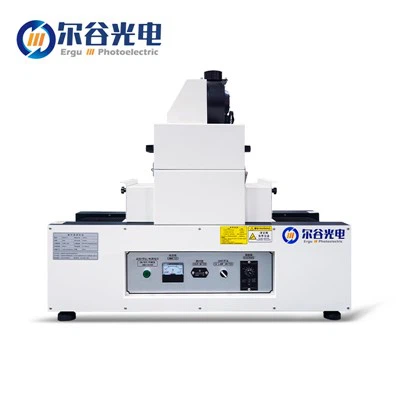
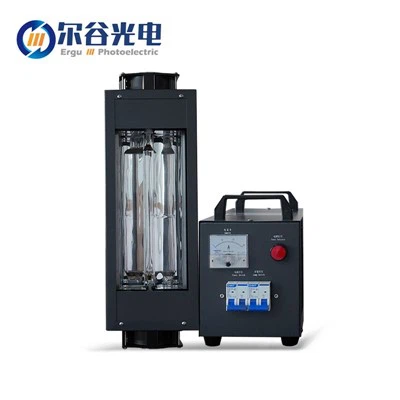
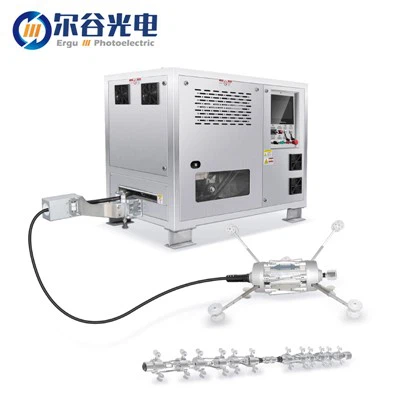
Hey there! I'm in the exposure lamp business, and I often get asked about how the size of an exposure lamp matters. Well, let me tell you, it's a crucial factor that can significantly impact your printing and curing processes. In this blog, I'll break down why the size of an exposure lamp is so important and how it can affect your work.
Understanding Exposure Lamps
First off, let's quickly go over what an exposure lamp is. These lamps are used in a variety of industries, especially in screen printing. They emit ultraviolet (UV) light, which is essential for curing inks and other materials. When the UV light hits the ink on a screen, it causes a chemical reaction that hardens the ink, allowing for a sharp and long - lasting print.
The Impact of Lamp Size on Intensity
One of the main ways the size of an exposure lamp matters is through its impact on light intensity. Generally speaking, a larger exposure lamp can emit more light. This increased light output means that the curing process can be faster and more efficient.
For example, if you're working on a large - scale screen - printing project, a small lamp might not provide enough light to cure the ink evenly across the entire screen. You'd end up with parts of the print that are under - cured, which can lead to smudging, poor adhesion, and a lower - quality final product. On the other hand, a larger lamp can cover a wider area with a more consistent light intensity, ensuring that every part of the screen gets properly cured.
Let's say you're printing t - shirts in bulk. With a small lamp, you might have to expose each shirt for a longer time to achieve a good cure. This not only slows down your production process but also increases your energy costs. A larger lamp, however, can cure multiple shirts at once or cure a single shirt in a shorter amount of time, making your operation more cost - effective and productive.
Coverage Area
Another important aspect is the coverage area. Different printing jobs require different coverage sizes. If you're printing small designs, like logos on hats, a smaller exposure lamp might be sufficient. But if you're printing full - size posters or large banners, you'll need a lamp that can cover the entire surface area.
A lamp that's too small for the job will force you to move the lamp around or expose the print in multiple sections. This can lead to uneven curing and alignment issues. For instance, if you're trying to print a large mural on a wall using screen - printing techniques, a small lamp won't be able to cover the whole area at once. You'd have to carefully position the lamp multiple times, and there's a high chance that the curing won't be uniform, resulting in a less - than - perfect final image.
On the flip side, having a lamp that's too large for a small - scale job can be wasteful. You'll be using more energy than necessary, and the excess light might not be focused properly on the small design, potentially causing over - curing in some areas and under - curing in others.
Heat Generation
The size of an exposure lamp also affects heat generation. Larger lamps generally produce more heat. While some heat is necessary for the curing process, too much heat can be a problem.
In screen printing, excessive heat can cause the screen to warp or the ink to dry too quickly on the screen, leading to clogged mesh and poor print quality. If you're using a large lamp in a small, enclosed space, the heat can build up and make the working environment uncomfortable for your employees.
However, modern exposure lamps are designed with heat management in mind. Some larger lamps come with built - in cooling systems to regulate the temperature. When choosing a lamp size, it's important to consider the ventilation in your workspace and whether the lamp has appropriate heat - dissipation features.
Cost Considerations
Cost is always a factor in any business decision. Larger exposure lamps tend to be more expensive upfront. They require more materials to manufacture and often have more advanced features to manage their larger size and higher power output.
But it's important to look at the long - term costs. As I mentioned earlier, a larger lamp can increase your productivity by reducing the curing time and allowing you to handle larger jobs more efficiently. This can lead to cost savings in the long run. For example, if you're able to produce more prints in less time, you can take on more orders and increase your revenue.
On the other hand, if you're just starting out or have a small - scale operation, a smaller lamp might be a more budget - friendly option. You can always upgrade to a larger lamp as your business grows.
Choosing the Right Size
So, how do you choose the right size of an exposure lamp for your needs? Here are some steps to consider:
- Evaluate your printing jobs: Look at the types of prints you do most often. If you mainly work on small, detailed designs, a smaller lamp might be suitable. If you're dealing with large - format prints, you'll need a larger lamp.
- Consider your production volume: If you have a high - volume production, a larger lamp can help you meet your deadlines more easily. If your production is more sporadic or low - volume, a smaller lamp might be enough.
- Check your workspace: Make sure you have enough space to accommodate the lamp. Also, consider the ventilation in your workspace to handle the heat generated by the lamp.
The Importance of Quality
No matter what size of exposure lamp you choose, quality is key. A high - quality lamp will provide consistent light output, have better heat management, and last longer. At our company, we offer a range of exposure lamps, including the UV Curing Lamp for Screen Printing. Our lamps are designed to meet the highest standards of performance and reliability, ensuring that you get the best results for your printing jobs.


Conclusion
In conclusion, the size of an exposure lamp matters a great deal. It affects light intensity, coverage area, heat generation, and cost. By carefully considering your printing needs, production volume, and workspace, you can choose the right size of lamp to optimize your printing and curing processes.
If you're interested in learning more about our exposure lamps or have any questions about choosing the right size for your business, don't hesitate to reach out. We're here to help you make the best decision for your printing operation. Whether you're a small - scale printer or a large - scale production facility, we have the right exposure lamp for you. Let's talk about how we can take your printing to the next level!
References
- Screen Printing Technology Handbook
- UV Curing in Industrial Applications: Principles and Practices