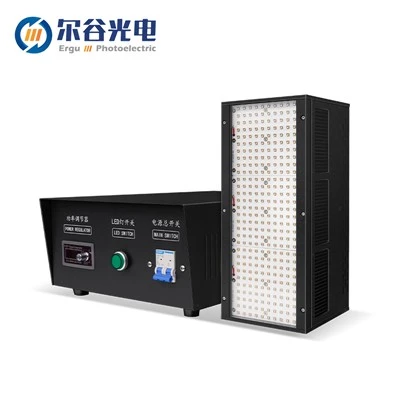
Hey there! As a supplier of UV curing equipment, I've seen firsthand how important it is to keep this gear in tip - top shape. UV curing equipment is used in a bunch of industries, from printing to manufacturing, and proper maintenance can save you a ton of money and headaches in the long run. So, let's dive into how to maintain UV curing equipment.
Regular Cleaning
One of the simplest yet most crucial steps in maintaining UV curing equipment is regular cleaning. Dust, debris, and residue can build up on the equipment over time, which can affect its performance. The UV lamps, for example, need to be kept clean. A dirty lamp can reduce the intensity of the UV light, leading to incomplete curing.
You can use a soft, lint - free cloth to wipe down the lamps. Make sure the equipment is turned off and cooled down before you start cleaning. For more stubborn dirt, you can use a mild cleaning solution. But be careful not to get any liquid inside the equipment, as it can cause electrical problems.
The reflectors in the UV curing system also need attention. These are designed to direct the UV light where it's needed, and if they're dirty, they won't work as effectively. You can clean the reflectors with a special cleaner made for this purpose. Just follow the manufacturer's instructions to avoid damaging them.
Lamp Replacement
UV lamps have a limited lifespan. Over time, the intensity of the UV light they emit will decrease, and they'll eventually stop working altogether. It's important to keep track of how long your lamps have been in use and replace them when necessary.
Most manufacturers will provide guidelines on how often to replace the lamps. Usually, it's based on the number of hours of use. For example, some lamps might need to be replaced after 1000 - 2000 hours. You can keep a log of the usage time to make sure you don't miss the replacement window.
When replacing the lamps, make sure to use the correct type and model recommended by the equipment manufacturer. Using the wrong lamps can not only affect the curing process but also damage the equipment. You can find high - quality replacement lamps for your UV curing equipment on our website. Check out our Powder Coating Curing Lamp for more details.
Checking Electrical Connections
Electrical problems are a common cause of equipment failure. So, it's essential to regularly check the electrical connections in your UV curing equipment. Loose or corroded connections can lead to poor performance, overheating, and even pose a safety hazard.
Start by visually inspecting the wires and connectors. Look for any signs of damage, such as frayed wires or rust on the connectors. If you find any issues, you should replace the damaged parts immediately.
You can also use a multimeter to test the electrical connections. This will help you determine if there's a proper flow of electricity. If you're not familiar with using a multimeter, it's a good idea to have a professional electrician do the testing for you.
Cooling System Maintenance
UV curing equipment generates a lot of heat, and the cooling system is responsible for keeping the equipment at a safe operating temperature. If the cooling system isn't working properly, the equipment can overheat, which can damage the lamps and other components.
The first thing you should do is check the air filters in the cooling system. These filters can get clogged with dust and debris, reducing the airflow. Clean or replace the filters regularly to ensure proper ventilation.
You also need to check the fans in the cooling system. Make sure they're spinning freely and not making any strange noises. If a fan is malfunctioning, it should be replaced as soon as possible.
For water - cooled systems, you need to monitor the water level and the quality of the water. The water should be clean and at the right temperature. You may need to add water or treat the water to prevent the growth of algae or other contaminants.
Calibration
Calibration is another important aspect of maintaining UV curing equipment. Over time, the equipment can drift out of calibration, which can lead to inconsistent curing results.
You should calibrate your UV curing equipment at regular intervals. This involves using a UV radiometer to measure the intensity of the UV light at different points in the curing area. Compare the readings with the manufacturer's specifications. If the readings are off, you'll need to adjust the equipment accordingly.
Calibration can be a bit tricky, especially if you're not familiar with the process. That's why it's a good idea to have a professional technician perform the calibration for you. They have the tools and expertise to ensure that your equipment is calibrated correctly.
Lubrication
Some parts of the UV curing equipment, such as moving belts or rollers, may require lubrication. Lubrication helps reduce friction and wear, which can extend the lifespan of these components.
Use the lubricant recommended by the equipment manufacturer. Apply the lubricant according to the manufacturer's instructions. Be careful not to over - lubricate, as this can attract dust and debris, which can cause more problems.
Monitoring and Record - Keeping
It's a good idea to monitor the performance of your UV curing equipment on a regular basis. Keep a record of things like the temperature, the intensity of the UV light, and any maintenance or repairs that have been done.


This record - keeping can help you identify trends and potential problems early on. For example, if you notice that the temperature of the equipment is gradually increasing over time, it could be a sign of a cooling system issue.
You can use a simple spreadsheet to keep track of this information. Make sure to update the spreadsheet regularly and keep it in a safe place.
Training Your Staff
If you have employees who operate the UV curing equipment, it's important to provide them with proper training. They should know how to use the equipment correctly and how to perform basic maintenance tasks.
Training can help prevent operator - error - related problems and ensure that the equipment is used in the most efficient way possible. You can provide in - house training or send your employees to a training course offered by the equipment manufacturer.
Conclusion
Maintaining UV curing equipment is not rocket science, but it does require some time and effort. By following these tips, you can keep your equipment running smoothly, reduce downtime, and save money on repairs and replacements.
If you're in the market for high - quality UV curing equipment or need help with maintenance, don't hesitate to reach out. We're here to assist you with all your UV curing needs. Whether you're looking for a Powder Coating Curing Lamp, UV Drying solutions, or a Varnish Curing Oven, we've got you covered. Contact us today to start a procurement discussion and find the best solutions for your business.
References
- Manufacturer's manuals for UV curing equipment
- Industry best practices for UV curing equipment maintenance
- Technical articles on UV curing technology