


Is an Excimer System used in the aerospace industry?
As a supplier of Excimer Systems, I've often been asked about the applicability of our technology in the aerospace industry. In this blog, I'll explore the potential uses of Excimer Systems in aerospace and shed light on how they can contribute to this high - tech field.
Understanding Excimer Systems
Before delving into aerospace applications, let's briefly understand what an Excimer System is. An excimer, short for "excited dimer," is a short - lived dimeric or heterodimeric molecule formed from two atoms or molecules, one of which is in an excited electronic state. Excimer Systems typically utilize excimer lamps or lasers to generate intense, short - wavelength ultraviolet (UV) light.
The Excimer Lamp is a key component of many Excimer Systems. These lamps produce UV light through the formation and decay of excimer molecules. The emitted UV light has unique properties, such as high photon energy and narrow spectral bandwidth, which make it suitable for a variety of applications.
Surface Cleaning and Preparation in Aerospace
One of the primary uses of Excimer Systems in the aerospace industry is surface cleaning and preparation. In aerospace manufacturing, components need to have extremely clean surfaces to ensure proper adhesion of coatings, paints, and adhesives. Contaminants such as oils, greases, and organic residues can significantly reduce the bond strength between different materials.
Excimer UV light can effectively break down organic contaminants on the surface of aerospace components. When the high - energy UV photons interact with the organic molecules, they cause the molecules to break apart into smaller, volatile fragments. These fragments can then be easily removed from the surface, leaving behind a clean and chemically active surface.
For example, in the production of composite materials used in aircraft wings and fuselages, Excimer Systems can be used to clean the surface of carbon fiber or glass fiber substrates before applying the resin matrix. This pre - treatment step improves the wetting and adhesion of the resin, resulting in stronger and more reliable composite structures.
Photolithography and Microfabrication
Another area where Excimer Systems find application in aerospace is photolithography and microfabrication. In the development of aerospace electronics, such as avionics systems and sensors, there is a growing need for high - precision microfabrication techniques.
Excimer lasers are commonly used in photolithography processes. The short - wavelength UV light produced by excimer lasers allows for the patterning of extremely small features on semiconductor wafers. In aerospace electronics, this enables the production of high - density integrated circuits, microelectromechanical systems (MEMS), and other miniaturized components.
For instance, MEMS sensors are widely used in aerospace for various applications, including inertial navigation, pressure sensing, and environmental monitoring. Excimer - based photolithography techniques can be used to fabricate these sensors with high precision, ensuring their accurate and reliable performance in the harsh aerospace environment.
Material Modification and Treatment
Excimer Systems can also be used for material modification and treatment in the aerospace industry. The high - energy UV light can induce chemical and physical changes in the surface layer of materials, altering their properties to meet specific aerospace requirements.
One example is the surface hardening of metal components. By irradiating the surface of a metal with excimer UV light, it is possible to create a hardened layer with improved wear resistance and corrosion resistance. This is particularly important for aerospace components that are subject to high - stress and high - temperature conditions, such as engine parts and landing gear components.
In addition, Excimer Systems can be used to modify the surface energy of polymers used in aerospace applications. By changing the surface energy, the wettability and adhesion properties of the polymers can be optimized, which is beneficial for processes such as bonding and coating application.
Sterilization and Decontamination
In the aerospace environment, maintaining a clean and sterile environment is crucial, especially in areas such as the cabin and life - support systems. Excimer Systems can play a role in sterilization and decontamination processes.
The high - energy UV light from excimer lamps can effectively inactivate bacteria, viruses, and other microorganisms. By installing Excimer Lamps in the cabin air - circulation systems or on the surfaces of equipment, it is possible to reduce the microbial load and prevent the spread of infectious diseases.
This is particularly important for long - duration space missions, where the crew's health and safety are at stake. Excimer - based sterilization systems can provide a reliable and chemical - free method of maintaining a clean and healthy environment in the spacecraft.
Challenges and Considerations
While Excimer Systems offer many potential benefits in the aerospace industry, there are also some challenges and considerations that need to be addressed.
One of the main challenges is the high cost of Excimer Systems. The technology involved in producing high - quality excimer lamps and lasers is complex, and the equipment can be expensive to purchase and maintain. However, as the technology matures and economies of scale are achieved, the cost is expected to decrease over time.
Another consideration is the safety aspect. The high - energy UV light produced by Excimer Systems can be harmful to human eyes and skin. Therefore, proper safety measures need to be implemented when using these systems, such as the use of protective eyewear and clothing, and the installation of safety interlocks.
Conclusion and Call to Action
In conclusion, Excimer Systems have significant potential for use in the aerospace industry. From surface cleaning and preparation to photolithography, material modification, and sterilization, these systems can contribute to the manufacturing, performance, and safety of aerospace components and systems.

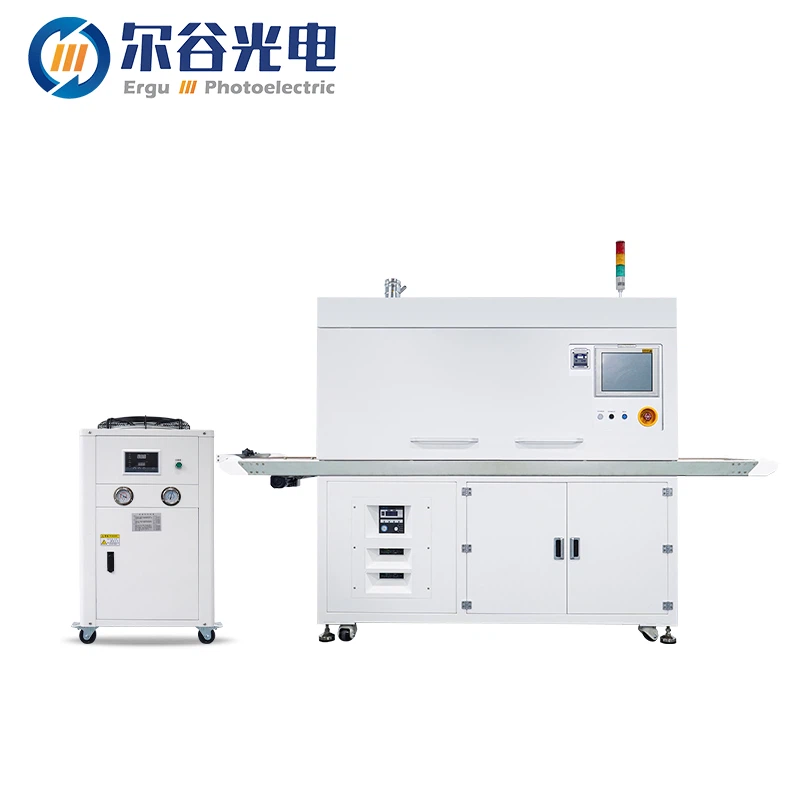
If you are in the aerospace industry and are interested in exploring how our Excimer Equipment can benefit your operations, I encourage you to reach out to us. We have a team of experts who can provide you with detailed information about our products and solutions, and work with you to develop customized applications that meet your specific needs. Let's start a conversation and see how we can collaborate to take your aerospace projects to the next level.
References
- Smith, J. (2018). Ultraviolet Technology in Aerospace Manufacturing. Journal of Aerospace Engineering, 31(2), 04017056.
- Johnson, A. (2019). Applications of Excimer Lasers in Microfabrication for Aerospace Electronics. Microelectronics Journal, 89, 104607.
- Brown, C. (2020). Surface Treatment Technologies for Aerospace Materials. Materials Science and Engineering: A, 773, 138703.


