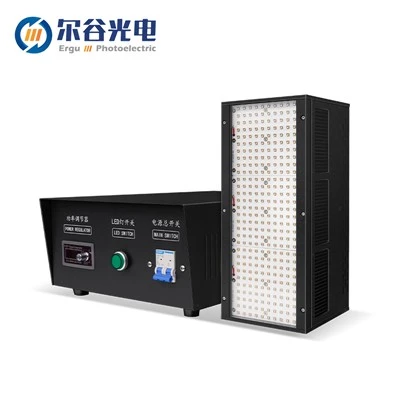
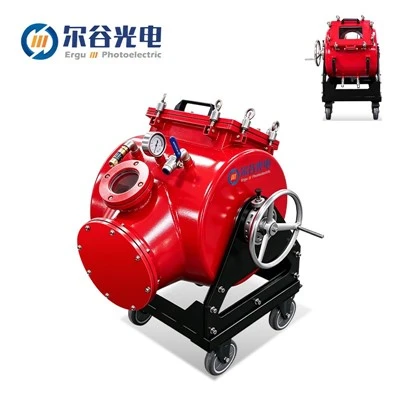
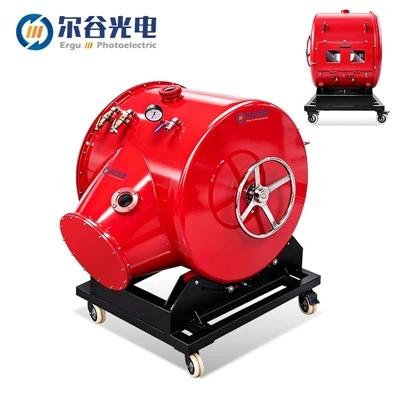
As a supplier of UV curing equipment, I understand the importance of optimizing the performance of this technology. UV curing equipment is widely used in various industries, including printing, coating, and electronics manufacturing, to quickly and efficiently cure inks, coatings, and adhesives. In this blog post, I will share some practical tips on how to optimize the performance of UV curing equipment, ensuring that you get the most out of your investment.
Understanding the Basics of UV Curing
Before delving into optimization strategies, it's crucial to have a basic understanding of how UV curing works. UV curing is a process that uses ultraviolet light to initiate a chemical reaction in a specially formulated material, such as an ink, coating, or adhesive. When exposed to UV light, photoinitiators in the material absorb the energy and break down into free radicals. These free radicals then react with monomers and oligomers in the material, causing them to cross - link and form a solid, cured film.
The key factors in UV curing are the intensity of the UV light, the spectral output of the UV lamp, the exposure time, and the formulation of the UV - curable material. Any imbalance in these factors can lead to sub - optimal curing results, such as incomplete curing, yellowing, or poor adhesion.
Selecting the Right UV Lamp
The UV lamp is the heart of the UV curing equipment. Selecting the right lamp is essential for achieving optimal performance. There are several types of UV lamps available, including mercury vapor lamps, metal halide lamps, and LED UV lamps.
- Mercury Vapor Lamps: These are traditional UV lamps that have been used for many years. They emit a broad spectrum of UV light, which can be effective for curing a wide range of UV - curable materials. However, they consume a lot of energy, generate a significant amount of heat, and have a relatively short lifespan.
- Metal Halide Lamps: Metal halide lamps are an improvement over mercury vapor lamps. They have a more targeted spectral output, which can be adjusted to match the absorption characteristics of specific UV - curable materials. This results in more efficient curing and better quality finishes. They also have a longer lifespan compared to mercury vapor lamps.
- LED UV Lamps: LED UV lamps are the latest technology in UV curing. They offer several advantages over traditional lamps, including low energy consumption, long lifespan, instant on/off capability, and minimal heat generation. LED lamps can also be designed to emit a very specific wavelength of UV light, which is ideal for materials that are sensitive to narrow - band UV radiation. UV Cured Coating applications often benefit from the precise wavelength control of LED UV lamps.
When selecting a UV lamp, consider the type of material you are curing, the required curing speed, and your energy efficiency goals. It's also important to ensure that the lamp is compatible with your UV curing equipment.
Optimizing Lamp Intensity and Exposure Time
The intensity of the UV lamp and the exposure time are two critical factors that determine the quality of the curing process. If the intensity is too low or the exposure time is too short, the material may not cure completely. On the other hand, if the intensity is too high or the exposure time is too long, it can cause over - curing, which may lead to yellowing, brittleness, and other defects.
- Measuring Lamp Intensity: Use a UV radiometer to measure the intensity of the UV lamp at the curing surface. This will help you determine if the lamp is operating at the optimal level. Most UV - curable materials have a recommended intensity range, so make sure to adjust the lamp output accordingly.
- Calculating Exposure Time: The exposure time depends on the lamp intensity, the thickness of the material, and the curing requirements of the material. You can use the following formula to calculate the exposure time: Exposure Time (s)=Energy Requirement (mJ/cm²)/Lamp Intensity (mW/cm²). It's important to conduct test runs to fine - tune the exposure time for your specific application.
Maintaining the UV Curing Equipment
Regular maintenance is essential for ensuring the optimal performance of UV curing equipment. Here are some maintenance tips:
- Cleaning the Lamps and Reflectors: Over time, dust, dirt, and residues can accumulate on the UV lamps and reflectors, reducing the intensity of the UV light. Clean the lamps and reflectors regularly using a soft, lint - free cloth and a suitable cleaning agent.
- Checking the Cooling System: Proper cooling is crucial for the performance and lifespan of the UV lamps. Check the cooling system regularly to ensure that it is working efficiently. This includes checking the coolant level, the fan operation, and the air vents.
- Inspecting the Electrical Components: Faulty electrical components can cause the UV curing equipment to malfunction. Inspect the wiring, switches, and connectors regularly for signs of damage or wear. Replace any damaged components immediately.
Controlling the Environment
The environment in which the UV curing process takes place can also affect the performance of the equipment. Here are some environmental factors to consider:


- Temperature and Humidity: High temperatures and humidity can affect the curing process. Most UV - curable materials have an optimal temperature and humidity range for curing. Keep the curing area within this range to ensure consistent results.
- Air Quality: Dust, dirt, and other contaminants in the air can settle on the UV - curable material during the curing process, causing defects. Use air filtration systems to maintain a clean environment.
Choosing the Right UV - Curable Materials
The choice of UV - curable materials can significantly impact the performance of the UV curing equipment. Different materials have different curing requirements, such as the required UV wavelength, intensity, and exposure time. UV Curing Machine for Screen Printing applications, for example, may require materials with specific adhesion and flexibility properties.
- Testing the Materials: Before using a new UV - curable material, conduct thorough testing to ensure that it is compatible with your UV curing equipment. This includes testing the curing speed, the quality of the cured film, and the adhesion to the substrate.
- Working with Suppliers: Collaborate closely with your UV - curable material suppliers. They can provide valuable advice on the best materials for your application and help you optimize the curing process.
Upgrading the UV Curing Equipment
As technology advances, upgrading your UV curing equipment can be a cost - effective way to improve performance. Consider upgrading to LED UV lamps if you are still using traditional lamps. LED technology offers significant energy savings, longer lifespan, and better curing control.
You can also consider adding features such as automated control systems, which can adjust the lamp intensity, exposure time, and other parameters based on the specific requirements of each job. This can improve the consistency and quality of the curing process.
Conclusion
Optimizing the performance of UV curing equipment requires a comprehensive approach that includes selecting the right UV lamp, maintaining the equipment, controlling the environment, choosing the appropriate UV - curable materials, and upgrading the equipment when necessary. By following these tips, you can ensure that your UV curing equipment operates at its best, delivering high - quality cured products with maximum efficiency.
If you are looking to optimize your UV curing process or are in the market for new UV curing equipment, we are here to help. As a leading supplier of UV Drying Machine and other UV curing solutions, we have the expertise and experience to provide you with the right equipment and support for your application. Contact us today to start a conversation about how we can meet your UV curing needs.
References
- "UV Curing: Science and Technology" by Dr. RadTech.
- "Handbook of UV - Curing Technology" by P. K. T. Oldring.
- Manufacturer's manuals and technical documents for UV curing equipment.