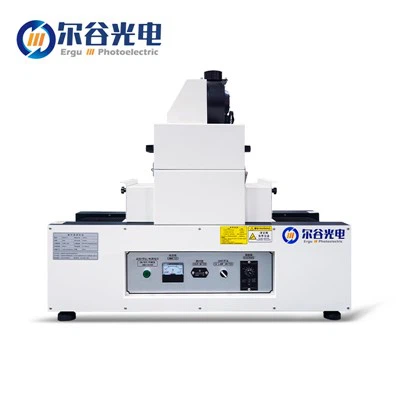
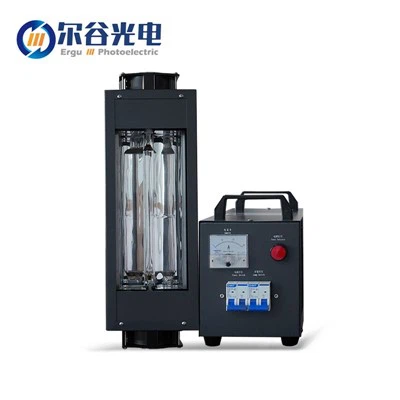
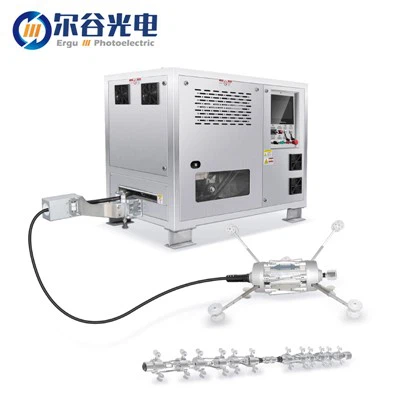
Hey there! As a supplier of UV Drying Light, I've seen firsthand the amazing benefits these lights bring to various industries. They're super useful for quickly drying inks, coatings, and adhesives, making production processes way more efficient. But, like anything, they come with potential risks, especially when it comes to UV radiation. In this blog, I'm gonna share some tips on how to protect against the potential harm of UV drying light.
Understanding the Risks
First things first, let's talk about what makes UV drying light potentially harmful. UV radiation is divided into three types: UVA, UVB, and UVC. UVA has the longest wavelength and can penetrate deep into the skin, causing premature aging, wrinkles, and even skin cancer over time. UVB has a shorter wavelength and is mainly responsible for sunburns. UVC has the shortest wavelength and is the most harmful, but it's usually absorbed by the Earth's atmosphere. However, UV drying lights can emit UVC, and exposure to it can cause serious damage to the eyes and skin.
Exposure to UV radiation from drying lights can lead to a range of health problems. For the skin, it can cause redness, pain, and blistering, similar to a sunburn. Prolonged exposure can increase the risk of skin cancer, including melanoma, the most dangerous type. In the eyes, UV radiation can cause irritation, redness, and a condition called photokeratitis, which is like a sunburn of the cornea. It can also increase the risk of cataracts and other eye diseases.
Protective Measures for the Skin
One of the most important ways to protect your skin from UV drying light is to wear appropriate clothing. Long-sleeved shirts, long pants, and hats can provide a physical barrier between your skin and the UV radiation. Look for clothing made from tightly woven fabrics, as they offer better protection. Some clothing is even specially designed with UPF (Ultraviolet Protection Factor) ratings, which indicate how well the fabric blocks UV rays.
Sunscreen is another essential tool for skin protection. Choose a broad-spectrum sunscreen with a high SPF (Sun Protection Factor). Apply it generously to all exposed skin, including your face, neck, hands, and arms. Reapply sunscreen every two hours, or more often if you're sweating or getting wet. Make sure to use a sunscreen that's specifically formulated for protection against UVA and UVB rays.
In addition to clothing and sunscreen, you can also use protective creams and lotions. Some products are designed to provide an extra layer of protection against UV radiation. These creams can help to reduce the damage caused by UV exposure and keep your skin healthy.
Eye Protection
Your eyes are particularly vulnerable to UV radiation, so it's crucial to protect them. Wear safety glasses or goggles that are specifically designed to block UV rays. Look for eyewear with a UV400 rating, which means it blocks 99% or more of UVA and UVB rays. Make sure the glasses fit properly and cover your eyes completely.
If you're working with UV drying lights for an extended period, consider wearing a face shield. A face shield provides additional protection for your eyes, as well as your face and neck. It can help to prevent UV radiation from reaching sensitive areas and reduce the risk of eye damage.
Workplace Safety
When it comes to protecting against the potential harm of UV drying light, workplace safety is key. Make sure your workplace has proper ventilation to reduce the concentration of UV radiation in the air. Good ventilation can help to remove any fumes or gases that may be produced by the drying process, as well as reduce the risk of overexposure to UV rays.
Install UV-blocking curtains or shields around the drying area. These barriers can help to contain the UV radiation and prevent it from spreading to other parts of the workplace. They can also provide a visual reminder to employees to stay away from the area when the lights are on.
Establish safety protocols and training programs for your employees. Make sure everyone understands the risks associated with UV drying light and knows how to use the equipment safely. Provide training on proper protective measures, such as wearing appropriate clothing, sunscreen, and eye protection. Encourage employees to report any safety concerns or incidents immediately.

Equipment Maintenance and Inspection
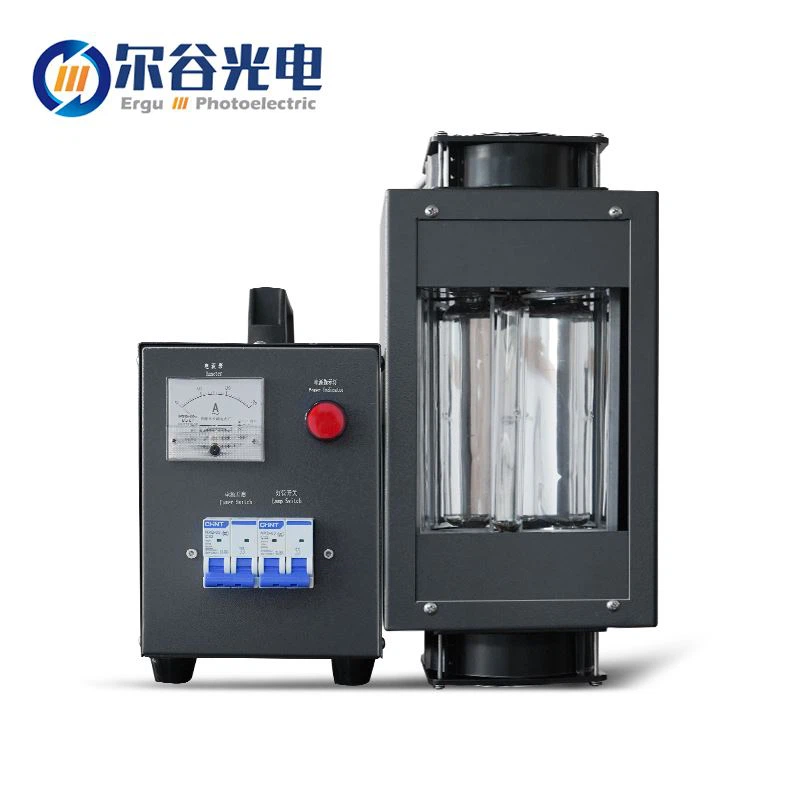
Regular maintenance and inspection of your UV drying light equipment are essential for ensuring its safe operation. Check the lights regularly for any signs of damage or wear. Replace any bulbs or components that are not working properly. Make sure the equipment is properly grounded to prevent electrical hazards.
Clean the lights regularly to remove any dirt or debris that may accumulate on the surface. This can help to ensure that the lights are operating at their maximum efficiency and reduce the risk of overheating. Follow the manufacturer's instructions for cleaning and maintenance to ensure that you're doing it correctly.
Monitoring and Testing
It's important to monitor and test the UV radiation levels in your workplace regularly. Use a UV meter to measure the intensity of the radiation at different points in the drying area. This can help you to identify any areas where the radiation levels are too high and take appropriate measures to reduce them.
Keep records of your UV radiation measurements and inspections. This can help you to track the effectiveness of your safety measures and identify any trends or patterns over time. If you notice any significant changes in the radiation levels, investigate the cause and take corrective action immediately.
Conclusion
Protecting against the potential harm of UV drying light is essential for the health and safety of your employees and the success of your business. By following these tips, you can reduce the risk of UV exposure and ensure that your workplace is a safe and healthy environment. Remember, wearing appropriate clothing, sunscreen, and eye protection, implementing workplace safety measures, maintaining and inspecting your equipment, and monitoring and testing the UV radiation levels are all important steps in protecting against the potential harm of UV drying light.
If you're interested in learning more about our UV Drying Light products or have any questions about UV safety, please don't hesitate to contact us. We're here to help you find the right solutions for your needs and ensure that you're using our products safely and effectively.
References
- American Cancer Society. (2023). Ultraviolet (UV) Radiation.
- Centers for Disease Control and Prevention. (2023). UV Radiation: How It Affects Your Health.
- Occupational Safety and Health Administration. (2023). Ultraviolet (UV) Radiation.