What are the lighting design considerations for parking lots using metal halide lamps?
Hey there, folks! As a supplier of metal halide lamps, I've seen firsthand how crucial proper lighting design is, especially when it comes to parking lots. Today, I'm going to share some key considerations for designing parking lot lighting using our trusty metal halide lamps.
1. Lighting Level Requirements
First off, let's talk about how bright the parking lot needs to be. The lighting level in a parking lot is super important for both safety and security. You want drivers to be able to see clearly when they're driving in and out, and pedestrians should feel safe walking around.
The Illuminating Engineering Society (IES) has some guidelines for parking lot lighting levels based on the type of parking lot. For example, surface parking lots typically need an average illuminance of around 0.5 - 1 foot - candle (fc). Structured parking lots usually require a bit more, around 1 - 2 fc. These values are a good starting point, but you might need to adjust them depending on things like the crime rate in the area and how busy the parking lot is.
When using metal halide lamps, you need to make sure you choose the right wattage and number of lamps to meet these lighting levels. Higher - wattage lamps will produce more light, but you also have to consider energy consumption and cost. A common mistake is to over - light the parking lot, which not only wastes energy but can also cause glare.
2. Glare Control
Glare is a real pain in the you - know - what, especially in a parking lot. It can make it hard for drivers to see clearly, increasing the risk of accidents. When designing the lighting with metal halide lamps, you need to think about how to control glare.
One way to do this is by choosing fixtures with proper shielding. The shielding can direct the light downwards towards the ground, reducing the amount of light that shines directly into people's eyes. There are different types of shields available, and you should pick the one that best suits your parking lot's layout and the position of the lamps.
Another thing to consider is the mounting height of the lamps. If the lamps are mounted too low, they're more likely to cause glare. Generally, for parking lots, metal halide lamps are mounted at a height of 15 - 20 feet. This height helps to spread the light evenly and reduces the chances of glare.
3. Color Rendering Index (CRI)
The Color Rendering Index is something that a lot of people overlook when it comes to parking lot lighting, but it's actually pretty important. The CRI measures how well a light source can reproduce the true colors of objects compared to natural light.
In a parking lot, a good CRI is important because it helps drivers and pedestrians to distinguish between different objects. For example, it makes it easier to see the color of a car, which can be useful for finding your own vehicle or for security purposes. Metal halide lamps typically have a CRI of around 60 - 90. Higher CRI values mean better color rendering, so it's worth considering lamps with a higher CRI for your parking lot.
4. Lamp Life and Maintenance
Let's face it, nobody wants to be constantly replacing lamps in a parking lot. That's why lamp life is a crucial consideration. Metal halide lamps have a decent lamp life, usually ranging from 10,000 to 20,000 hours. But this can vary depending on how you use them.
If the lamps are frequently turned on and off, their lifespan can be significantly reduced. So, when designing the lighting system, you might want to consider using a lighting control system that can keep the lamps on for longer periods of time without causing too much energy waste. Also, proper maintenance is key to making the lamps last as long as possible. Regularly cleaning the fixtures and checking the electrical connections can help prevent premature lamp failure.
5. Energy Efficiency
In today's world, energy efficiency is a big deal. Using metal halide lamps in a parking lot can be energy - efficient if you design the lighting system properly. You can start by choosing the right wattage lamps for the area you need to light. As I mentioned earlier, don't over - light the parking lot.
Another way to improve energy efficiency is by using a lighting control system. For example, you can install motion sensors so that the lamps only turn on when there is activity in the parking lot. This can save a significant amount of energy, especially during off - peak hours.


6. Distribution of Light
The way the light is distributed in the parking lot is also very important. You want to have an even distribution of light so that there are no dark spots. Dark spots can be a safety hazard as they can hide potential dangers like potholes or people.
When planning the layout of the metal halide lamps, you need to consider the spacing between the lamps and the type of reflectors in the fixtures. A good rule of thumb is to space the lamps in a way that the light from each lamp overlaps slightly with the adjacent lamps. This helps to create an even lighting pattern.
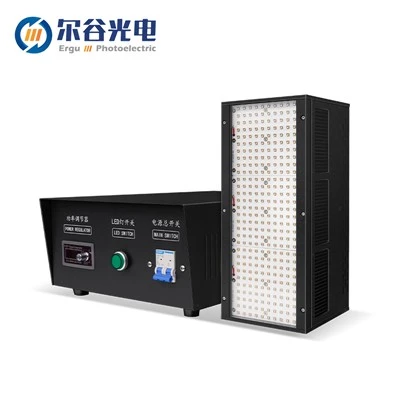
High Intensity UV Curing Lamp
If you're interested in other applications of metal halide lamps, you might want to check out our High Intensity UV Curing Lamp. It has a wide range of uses in industries like printing and coating.
Contact for Purchase and Consultation
Well, there you have it, folks! These are some of the key things to consider when designing parking lot lighting with metal halide lamps. If you're planning a parking lot lighting project or have any questions about our metal halide lamps, don't hesitate to reach out. We're here to help you make the best lighting decisions for your needs.
References
- Illuminating Engineering Society (IES). Lighting Handbook, 11th Edition.
- Metal Halide Lamp Manufacturer's Technical Documentation.