As a trusted supplier of metal halide lamps, I understand the importance of safety when using these powerful lighting solutions. Metal halide lamps are widely used in various applications, including industrial, commercial, and outdoor lighting, due to their high efficiency, long lifespan, and excellent color rendering properties. However, like any electrical equipment, they require proper handling and safety precautions to ensure optimal performance and prevent potential hazards. In this blog post, I will discuss the key safety precautions for using metal halide lamps.
Pre - installation Safety Checks
Before installing metal halide lamps, it is crucial to conduct a series of safety checks. First, ensure that the lamp fixture is compatible with the specific type and wattage of the metal halide lamp you intend to use. Using an incompatible fixture can lead to overheating, electrical shorts, and even fire hazards. Check the manufacturer's specifications for both the lamp and the fixture to confirm compatibility.
Inspect the fixture for any visible damage, such as cracks, loose connections, or signs of corrosion. Damaged fixtures should not be used, as they can pose a significant safety risk. If you notice any issues, replace the fixture or have it repaired by a qualified electrician.


Additionally, make sure that the electrical supply to the fixture is appropriate. Metal halide lamps typically require a ballast to operate correctly. The ballast regulates the current and voltage supplied to the lamp, ensuring stable operation. Check that the ballast is rated for the lamp's wattage and type. Using an incorrect ballast can cause the lamp to flicker, overheat, or fail prematurely.
Installation Safety
When installing metal halide lamps, always follow the manufacturer's instructions carefully. Wear appropriate personal protective equipment (PPE), such as gloves and safety glasses, to protect yourself from potential injuries.
Avoid touching the lamp with bare hands. The oils from your skin can cause hot spots on the lamp envelope, which may lead to premature lamp failure or even explosion. If you accidentally touch the lamp, clean it with a lint - free cloth dampened with rubbing alcohol before installation.
Ensure that the lamp is properly seated in the fixture. A loose lamp can cause arcing, which is a serious safety hazard. Make sure all connections are tight and secure. After installation, test the lamp to ensure it is working correctly. If the lamp does not light up or flickers, turn off the power immediately and check the connections and the ballast.
Operating Safety
During the operation of metal halide lamps, several safety precautions should be observed. Metal halide lamps can generate a significant amount of heat. Therefore, ensure that the fixture has adequate ventilation. Blocked ventilation can cause the lamp and the fixture to overheat, leading to reduced lamp life and potential fire hazards. Keep the area around the fixture clear of any flammable materials.
Do not attempt to touch the lamp while it is operating or immediately after it has been turned off. The lamp can remain extremely hot for a considerable period. Wait at least 15 - 20 minutes after turning off the lamp before handling it.
Regularly inspect the lamp for any signs of damage or wear. Look for cracks, blackening, or other visible abnormalities on the lamp envelope. If you notice any issues, replace the lamp immediately. A damaged lamp can pose a safety risk, including the possibility of explosion.
Maintenance Safety
Proper maintenance is essential for the safe operation of metal halide lamps. When performing maintenance tasks, always turn off the power to the fixture at the circuit breaker. This will prevent electrical shocks.
Clean the fixture regularly to remove dust and debris. Use a soft, dry cloth or a vacuum cleaner with a soft brush attachment. Avoid using abrasive cleaners or solvents, as they can damage the fixture and the lamp.
Replace the lamp at the end of its rated lifespan. Over - used lamps are more likely to fail and can pose safety risks. Keep a record of the lamp installation date and the expected lifespan to ensure timely replacement.
Disposal Safety
When it comes to disposing of metal halide lamps, it is important to follow local environmental regulations. Metal halide lamps contain small amounts of mercury and other hazardous materials. Improper disposal can contaminate the environment.
Contact your local waste management facility or recycling center to inquire about the proper disposal methods for metal halide lamps. Many recycling centers offer specialized programs for recycling these lamps. By recycling metal halide lamps, you not only protect the environment but also contribute to the conservation of natural resources.
Special Considerations for High - Intensity UV Curing Lamps
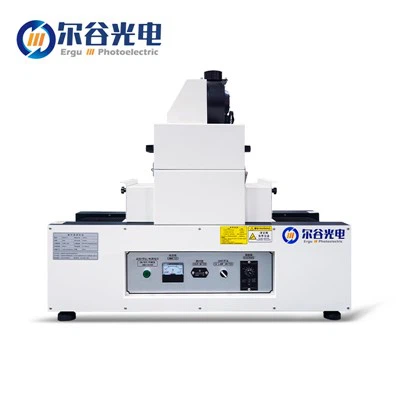
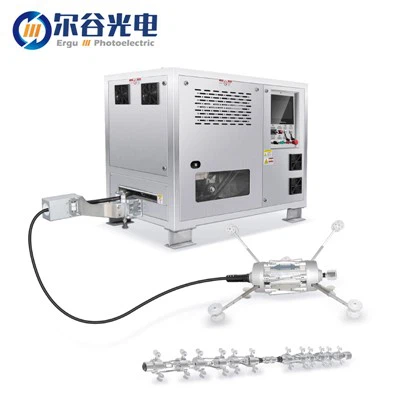
If you are using High Intensity UV Curing Lamp, additional safety precautions are necessary. UV radiation can cause skin burns, eye damage, and other health problems.
Wear appropriate UV - blocking protective clothing, including long - sleeved shirts, pants, and UV - resistant gloves. Use UV - blocking goggles or face shields to protect your eyes and face from UV radiation.
Ensure that the UV curing lamp is installed in a well - ventilated area. UV radiation can produce ozone, which is a harmful gas. Adequate ventilation will help to remove ozone from the area.
In conclusion, using metal halide lamps safely requires a combination of proper installation, operation, maintenance, and disposal practices. By following these safety precautions, you can ensure the long - term performance of your metal halide lamps and protect yourself and others from potential hazards.
If you are interested in purchasing high - quality metal halide lamps or have any questions about their safety and usage, please feel free to contact us. We are here to provide you with professional advice and the best lighting solutions for your needs.
References
- Manufacturer's manuals for metal halide lamps and fixtures.
- Electrical safety standards and regulations.
- Environmental guidelines for lamp disposal.