Hey there! As a gallium lamp supplier, I often get asked about the cost - effectiveness of these nifty little lamps. So, I thought I'd sit down and share my thoughts on this topic.
Let's start by understanding what a gallium lamp is. Gallium lamps are a type of light source that emits light in specific wavelengths, which are particularly useful in various industrial and scientific applications. They're known for their high - intensity output and the ability to produce light in the ultraviolet (UV) spectrum.
Initial Cost
When it comes to the initial purchase price, gallium lamps might seem a bit on the pricier side compared to some other lighting options. But, you've got to look at the bigger picture. The cost of a gallium lamp is influenced by several factors. First off, the technology behind it is quite advanced. These lamps are engineered to produce a very specific and consistent light output, which requires high - quality materials and precise manufacturing processes.
For example, the gallium - based compounds used in the lamp need to be of a certain purity to ensure optimal performance. The lamp's envelope, which holds the gas and electrodes, also needs to be made from materials that can withstand high temperatures and the chemical reactions taking place inside. All these factors contribute to the upfront cost.
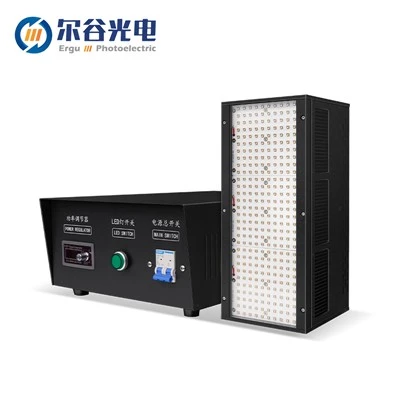
However, if you're in an industry where precision and high - quality lighting are crucial, the initial investment in a gallium lamp can be well worth it. Take the printing industry, for instance. In UV printing, a UV Paint Drying Lamp can cure inks and coatings much faster than traditional drying methods. This means less time spent on the drying process, which can lead to increased production rates and ultimately, more revenue.
Energy Efficiency
One of the major factors in determining cost - effectiveness is energy efficiency. Gallium lamps are actually quite energy - efficient when you consider their output. They convert a large percentage of the electrical energy they consume into useful light, rather than wasting it as heat.


Compared to some older lighting technologies, like incandescent bulbs, which waste a significant amount of energy as heat, gallium lamps are a much better option. In industrial settings, where lighting is used for long periods, the energy savings can really add up over time.
Let's say you're running a manufacturing plant that uses lighting for 12 hours a day, 7 days a week. By switching to gallium lamps, you could potentially reduce your energy consumption by a substantial amount. This not only saves you money on your electricity bills but also has a positive impact on the environment.
Longevity and Maintenance
Another aspect of cost - effectiveness is the lifespan of the lamp and the associated maintenance costs. Gallium lamps generally have a longer lifespan compared to many other types of lamps. This means you won't have to replace them as often, which saves you money in the long run.
The maintenance requirements for gallium lamps are also relatively low. They don't require frequent cleaning or adjustments, and as long as they're used within their specified operating conditions, they'll continue to perform well. Of course, like any piece of equipment, they'll eventually reach the end of their lifespan, but the extended period of use means fewer replacements and less downtime for your operations.
Quality of Light and Productivity
The quality of light produced by gallium lamps can have a significant impact on productivity and the quality of the end - product. In industries such as photography, microscopy, and semiconductor manufacturing, the precise and consistent light output of gallium lamps is essential.
In photography, for example, the accurate color rendering and high - intensity light can help photographers capture better - quality images. In semiconductor manufacturing, the UV light from gallium lamps is used in photolithography processes to create precise patterns on silicon wafers. A high - quality light source ensures that these patterns are accurate, which is crucial for the performance of the final semiconductor device.
When you consider the impact on productivity and product quality, the cost - effectiveness of gallium lamps becomes even more apparent. The ability to produce high - quality products more efficiently can lead to increased customer satisfaction and higher profits.
Return on Investment (ROI)
To really understand the cost - effectiveness of gallium lamps, we need to look at the return on investment. ROI is calculated by comparing the cost of the investment (the purchase price of the lamp, plus any installation and operating costs) to the benefits gained (such as increased productivity, energy savings, and improved product quality).
Let's do a simple example. Suppose you're a small business that spends $500 on a gallium lamp. Over the course of a year, you save $200 on energy costs, and your production increases by 10%, which translates to an additional $1000 in revenue. In this case, your total benefits are $1200, and your ROI is ($1200 - $500) / $500 = 1.4, or 140%. This shows that the investment in the gallium lamp has paid off handsomely.
Conclusion
In conclusion, the cost - effectiveness of a gallium lamp is a complex but highly favorable equation. While the initial cost might be higher than some other lighting options, the energy efficiency, long lifespan, low maintenance, and positive impact on productivity and product quality more than make up for it.
If you're in an industry that requires high - quality, precise lighting, I highly recommend considering gallium lamps. They can be a game - changer for your operations, helping you save money, increase productivity, and produce better - quality products.
If you're interested in learning more about our gallium lamps or are looking to make a purchase, I'd love to have a chat with you. Let's discuss how our lamps can fit into your specific needs and help you achieve your business goals.
References
- "Lighting Technology Handbook"
- Industry reports on UV printing and semiconductor manufacturing