Hey there! As a supplier of UV cure equipment, I often get asked about the maintenance costs of these machines. It's a crucial topic, especially for businesses looking to invest in UV cure technology. In this blog, I'll break down the various factors that contribute to the maintenance costs of UV cure equipment and provide you with a better understanding of what to expect.
1. Lamp Replacement
One of the most significant maintenance costs associated with UV cure equipment is the replacement of UV lamps. UV lamps are the heart of the curing process, as they emit the ultraviolet light necessary to cure inks, coatings, and adhesives. However, these lamps have a limited lifespan, typically ranging from 500 to 2000 hours of use, depending on the type of lamp and the operating conditions.
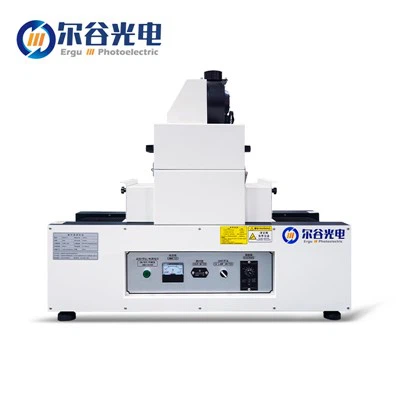
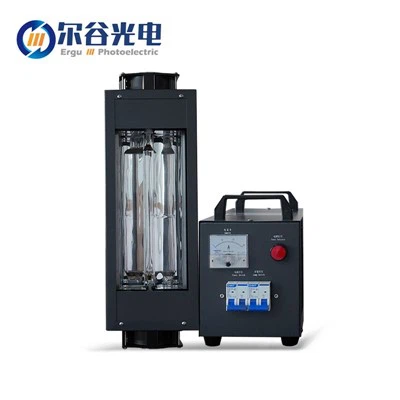
When the UV lamp reaches the end of its lifespan, it needs to be replaced. The cost of a new UV lamp can vary widely depending on the wattage, size, and brand. For example, a standard medium-pressure mercury UV lamp for a small desktop conveyor system like the RX200 - 2 - Desktop Uv Curing Conveyors might cost anywhere from $100 to $300. On the other hand, high - power lamps used in large industrial UV dryers, such as the Ultraviolet Dryer, can cost upwards of $1000.
To keep lamp replacement costs in check, it's essential to follow the manufacturer's guidelines regarding lamp usage and maintenance. This includes proper ventilation, monitoring of lamp hours, and timely replacement before the lamp fails completely.
2. Reflector Maintenance
Reflectors in UV cure equipment are used to direct and focus the UV light onto the target surface. Over time, these reflectors can become dirty or damaged, which can reduce the efficiency of the curing process. For instance, if the reflectors are coated with dust, debris, or cured residues, they may not reflect the UV light as effectively, leading to uneven curing and potentially wasted energy.
The cost of maintaining reflectors can be relatively low if regular cleaning is carried out. However, if the reflectors are severely damaged, they may need to be replaced. Replacement costs can vary depending on the type and size of the reflector. A simple reflector for a small UV drying unit like the UV Drying Machine might cost around $50 - $150, while larger and more specialized reflectors for industrial systems can cost several hundred dollars.
3. Cooling System Upkeep
Most UV cure equipment requires a cooling system to prevent overheating of the lamps and other components. This can be either air - cooling or water - cooling systems. Air - cooling systems are generally less expensive to install and maintain but may not be as efficient for high - power UV equipment. Water - cooling systems, on the other hand, are more effective at dissipating heat but come with their own set of maintenance requirements.
For air - cooling systems, the main maintenance cost is usually the replacement of air filters. Air filters need to be changed regularly to ensure proper airflow and prevent dust from clogging the system. A set of air filters can cost anywhere from $20 to $100 depending on the size and type of the equipment.
Water - cooling systems require more attention. They need to be regularly checked for leaks, and the water quality needs to be maintained to prevent scale buildup and corrosion. Water treatment chemicals may be needed, which can add to the cost. Additionally, the water pump and other components in the system may need to be serviced or replaced over time. The cost of water treatment chemicals can range from $50 to $200 per year, and the replacement of a water pump can cost $100 - $500.
4. Conveyor Belt Maintenance
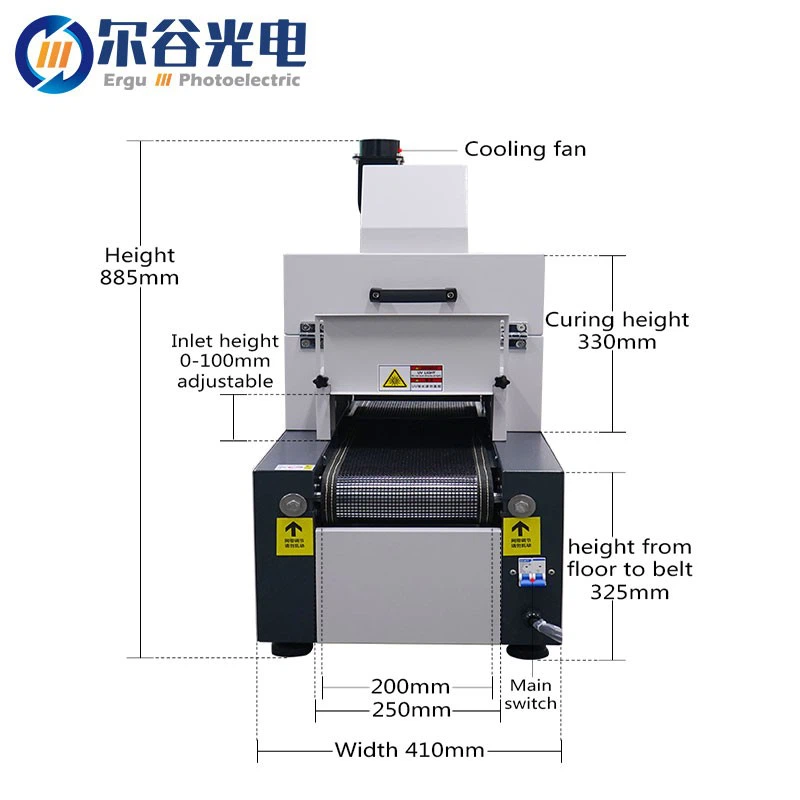
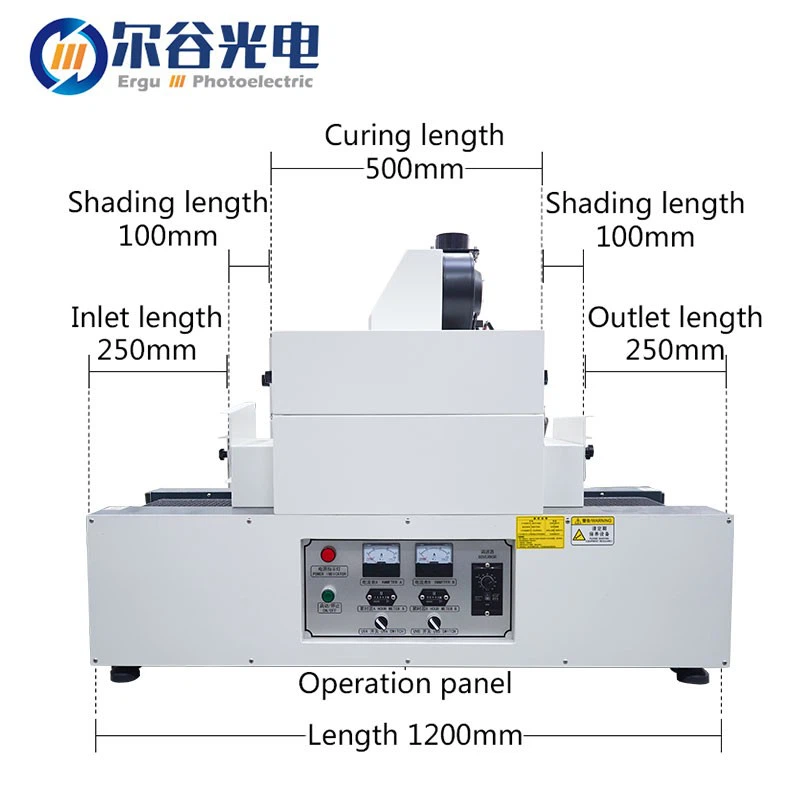
In UV cure equipment with conveyor systems, the conveyor belt is an important component that needs regular maintenance. The conveyor belt can wear out over time due to friction, heat, and the weight of the items being cured. The cost of replacing a conveyor belt depends on its size, material, and type. A small conveyor belt for a desktop UV curing machine might cost $50 - $200, while a large industrial - grade conveyor belt can cost thousands of dollars.
Regular cleaning and lubrication of the conveyor belt can help extend its lifespan. Lubricants and cleaning agents can add a small cost to the maintenance budget, typically around $20 - $50 per year for a small - to - medium - sized system.
5. Electrical Component Maintenance
UV cure equipment has numerous electrical components, such as transformers, capacitors, and controllers. These components can fail over time due to normal wear and tear, electrical surges, or environmental factors. The cost of replacing electrical components can vary widely. A simple capacitor might cost around $10 - $50, while a complex transformer or a computerized controller can cost several hundred or even thousands of dollars.
To reduce the risk of electrical component failures, it's important to ensure proper grounding, use surge protectors, and follow the recommended maintenance schedule. Regular inspections by a qualified electrician can also help detect potential issues before they cause major problems.
6. Labor Costs
In addition to the cost of parts and materials, labor costs are also a significant factor in the maintenance of UV cure equipment. If you have an in - house maintenance team, the cost of their labor is already included in your company's overhead. However, if you need to hire external technicians for complex repairs or routine maintenance, the labor costs can add up.
The hourly rate for a UV cure equipment technician can range from $50 to $150, depending on their experience and location. For a major repair or a comprehensive maintenance service, the labor cost can easily reach several hundred dollars.
How to Minimize Maintenance Costs
- Regular Maintenance: Implement a regular maintenance schedule. By following the manufacturer's recommendations, you can catch minor issues before they turn into major problems, which can save you money in the long run.
- Operator Training: Properly train your operators on how to use the equipment correctly. Incorrect operation can lead to premature wear and tear of components, increasing maintenance costs.
- Quality Parts: When it's time to replace parts, use high - quality parts from reliable suppliers. While they may be more expensive upfront, they are likely to last longer and perform better.
Contact Us for More Information
If you're interested in learning more about UV cure equipment, including maintenance costs and how to choose the right machine for your business, don't hesitate to reach out. We're here to provide you with all the information you need and help you make an informed decision. Whether you're a small business or a large industrial operation, our team of experts can assist you in finding the perfect UV cure solution.
References
- UV Curing Technology Handbook
- Industry reports on UV cure equipment maintenance
So, that's a comprehensive look at the maintenance costs of UV cure equipment. I hope this blog has been helpful to you in understanding what to expect and how to manage these costs.