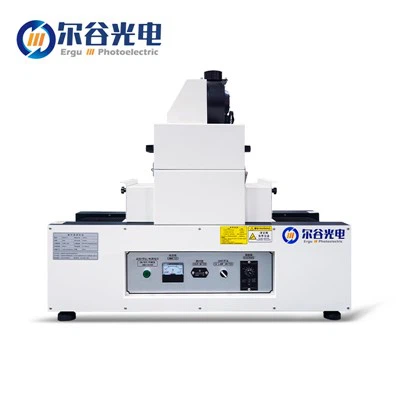
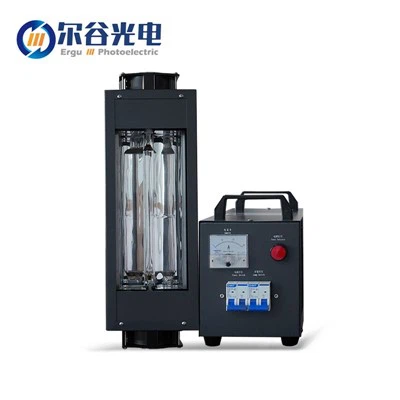
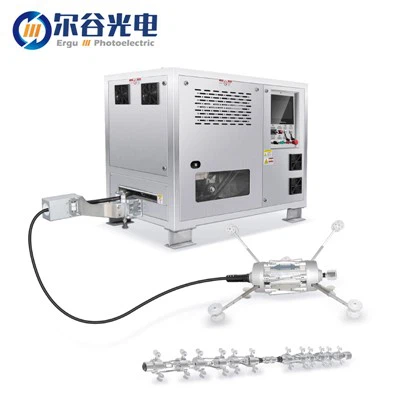
In the realm of modern manufacturing and industrial processes, UV cure equipment has emerged as a game - changer. As a supplier of UV Cure Equipment, I've witnessed firsthand the transformative impact it has on various industries. But what exactly is the curing gloss of UV cure equipment? Let's delve into this topic to gain a comprehensive understanding.
Understanding UV Curing
UV curing is a process that uses ultraviolet light to instantly dry or cure inks, coatings, adhesives, and other materials. Unlike traditional drying methods that rely on heat or air circulation, UV curing is a photochemical process. When a UV - sensitive material is exposed to UV light, photoinitiators within the material absorb the UV energy. This absorption triggers a chemical reaction, typically a polymerization, which causes the material to harden or cure rapidly.
The key advantage of UV curing is its speed. Traditional drying methods can take minutes, hours, or even days to dry a coating completely. In contrast, UV cure equipment can cure a material in a matter of seconds. This not only increases production efficiency but also reduces the amount of floor space required for drying racks and storage.
The Concept of Curing Gloss
Gloss is a visual property that refers to the amount of light reflected from a surface in a specular (mirror - like) direction. In the context of UV cure equipment, curing gloss is the level of shine or reflectivity that a cured material exhibits. The curing gloss is influenced by several factors, including the formulation of the UV - curable material, the intensity and spectrum of the UV light, and the curing time.
Material Formulation
The formulation of the UV - curable material plays a crucial role in determining the curing gloss. Different resins, monomers, and additives can affect the surface smoothness and refractive index of the cured material. For example, materials with a high concentration of low - viscosity monomers tend to form a smoother surface during curing, which results in a higher gloss. On the other hand, additives such as matting agents can be used to reduce the gloss and create a more matte finish.
UV Light Intensity and Spectrum
The intensity and spectrum of the UV light emitted by the UV cure equipment also impact the curing gloss. Higher UV light intensities generally lead to faster curing times, which can result in a higher gloss. However, if the intensity is too high, it can cause over - curing, which may lead to surface cracking or yellowing, ultimately reducing the gloss.
The spectrum of the UV light is equally important. Different photoinitiators are activated by specific wavelengths of UV light. Using a UV light source with the appropriate spectrum ensures that the photoinitiators are fully activated, leading to a more complete and uniform cure. This, in turn, can enhance the curing gloss.
Curing Time
The curing time is another critical factor. If the curing time is too short, the material may not cure completely, resulting in a dull or uneven gloss. Conversely, if the curing time is too long, it can cause over - curing, as mentioned earlier. Finding the optimal curing time is essential for achieving the desired curing gloss.
Applications and the Importance of Curing Gloss
Printing Industry
In the printing industry, UV Drying is widely used for both offset and digital printing. The curing gloss can significantly affect the visual appeal of the printed materials. High - gloss prints are often used for marketing materials such as brochures, magazines, and packaging to attract attention and create a premium look. Low - gloss or matte finishes, on the other hand, are preferred for applications where glare needs to be minimized, such as books and some types of packaging.
Coating Industry
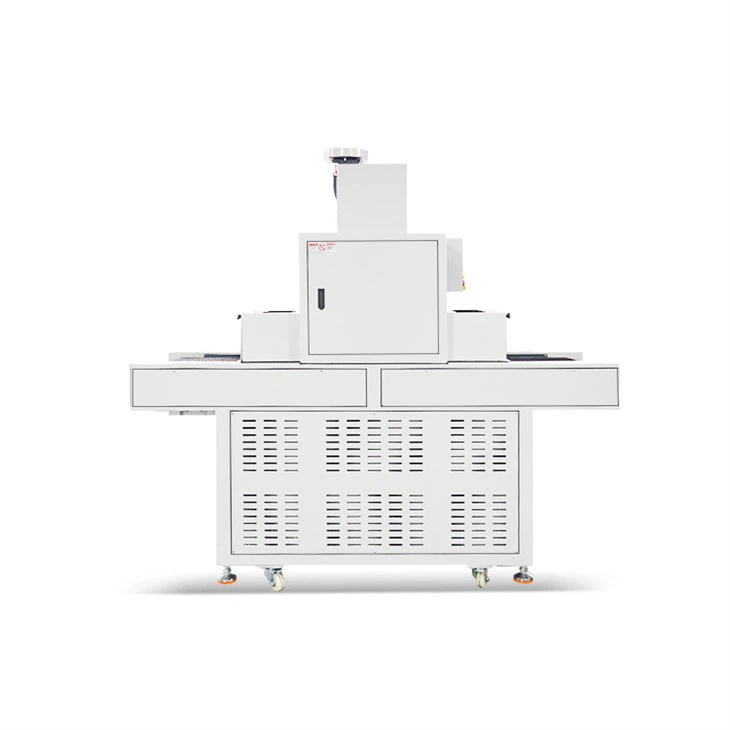
The coating industry also benefits greatly from UV cure equipment. Whether it's applying a protective coating to wood, metal, or plastic surfaces, the curing gloss can enhance the durability and aesthetics of the coated product. For example, high - gloss coatings on automotive parts not only look attractive but also provide better protection against scratches and environmental damage.
Adhesive Industry
In the adhesive industry, the curing gloss can be an important quality indicator. A smooth and glossy surface on a cured adhesive joint can indicate a well - cured and strong bond. This is particularly important in applications where the appearance of the joint is visible, such as in the assembly of consumer electronics or furniture.
Our UV Cure Equipment and Curing Gloss
As a supplier of UV Cure Equipment, we understand the importance of achieving the right curing gloss. Our equipment is designed to provide precise control over the UV light intensity, spectrum, and curing time. This allows our customers to optimize the curing process and achieve the desired gloss for their specific applications.
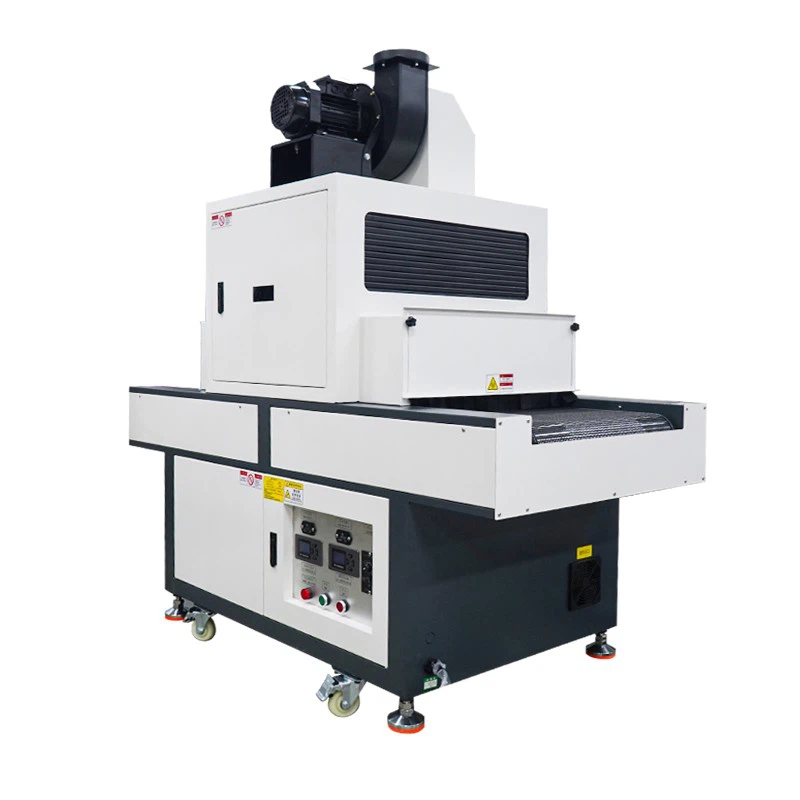
Our UV Screen Printing Dryer is a prime example of our commitment to quality and performance. It is equipped with advanced UV light sources that can be customized to match the requirements of different UV - curable inks. This ensures that the printed materials have a consistent and high - quality curing gloss.
Contact Us for Your UV Cure Equipment Needs
If you're in the market for UV cure equipment and are looking to achieve the perfect curing gloss for your products, we're here to help. Our team of experts can provide you with in - depth consultations, recommend the most suitable equipment for your application, and offer after - sales support to ensure that you get the best results. Whether you're a small - scale manufacturer or a large - scale industrial enterprise, we have the solutions to meet your needs.
References
- "UV Curing: Science and Technology" by Dr. C. Lowe and Dr. D. A. Decker.
- "Handbook of Coatings Technology" edited by P. K. T. Oldring.
- Industry reports on UV curing equipment and its applications from leading market research firms.