What is the Curing Wear Resistance of UV Curing Equipment?
As a supplier of UV curing equipment, I'm often asked about the concept of curing wear resistance and how it relates to our products. In this blog post, I'll delve into the details of curing wear resistance, explain its importance, and show how our UV curing equipment can help achieve excellent results.
Understanding Curing Wear Resistance
Curing wear resistance refers to the ability of a cured material to withstand wear, abrasion, and mechanical stress over time. When using UV curing equipment, the goal is to create a durable and long - lasting finish on various substrates such as plastics, metals, and paper. A high - quality UV - cured coating should be able to resist scratches, scuffs, and the general wear and tear associated with everyday use.
The curing process in UV curing equipment involves the use of ultraviolet light to initiate a chemical reaction in a UV - curable material. This reaction causes the material to cross - link and harden rapidly, forming a solid and protective layer. The wear resistance of the cured material depends on several factors, including the type of UV - curable resin used, the intensity and duration of UV exposure, and the properties of the substrate.
Factors Affecting Curing Wear Resistance
Type of UV - Curable Resin
Different types of UV - curable resins have varying levels of wear resistance. For example, epoxy - based UV resins typically offer high hardness and good wear resistance, making them suitable for applications where the cured surface will be subject to heavy use, such as industrial flooring or automotive parts. On the other hand, polyester - based UV resins may provide a more flexible finish, which can be beneficial for substrates that require some degree of bending or stretching without cracking.
UV Intensity and Duration
The intensity of the UV light and the duration of exposure are crucial factors in achieving optimal wear resistance. If the UV intensity is too low or the exposure time is too short, the UV - curable material may not fully cure, resulting in a softer and less wear - resistant finish. Conversely, excessive UV intensity or over - exposure can cause the material to become brittle and more prone to cracking and flaking. Our UV curing equipment is designed to provide precise control over these parameters, allowing users to achieve the ideal curing conditions for maximum wear resistance.
Substrate Properties
The properties of the substrate also play a significant role in the curing wear resistance. A smooth and clean substrate surface will generally result in better adhesion and a more uniform cured coating, which in turn enhances wear resistance. For example, if the substrate has a rough or uneven surface, the UV - curable material may not adhere properly, leading to weak spots and reduced wear resistance. Additionally, the porosity and chemical composition of the substrate can affect the penetration and curing of the UV - curable material.
Benefits of Good Curing Wear Resistance
Having a UV - cured coating with high wear resistance offers several advantages. Firstly, it extends the lifespan of the product. Whether it's a printed label, a coated furniture surface, or a metal component, a wear - resistant coating can protect the underlying material from damage, reducing the need for frequent replacement.
Secondly, it improves the appearance of the product. A scratch - and scuff - resistant finish looks better for longer, maintaining its original aesthetic appeal. This is particularly important in consumer products, where the visual quality can significantly influence the purchasing decision.
Finally, high wear resistance can enhance product performance. For example, in industrial applications, a wear - resistant coating on machine parts can reduce friction and wear, improving the efficiency and reliability of the machinery.
How Our UV Curing Equipment Achieves Excellent Curing Wear Resistance
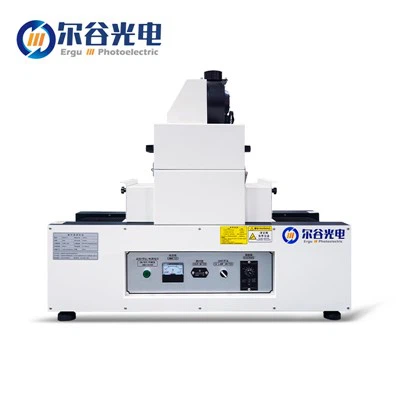
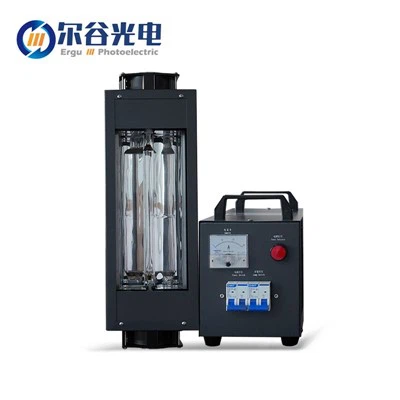
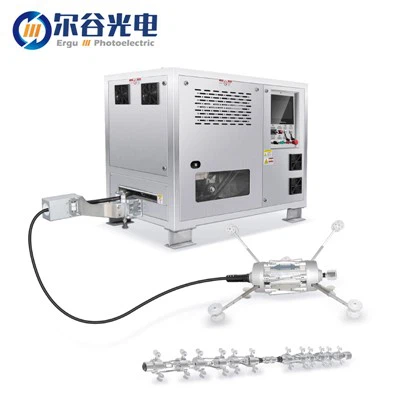
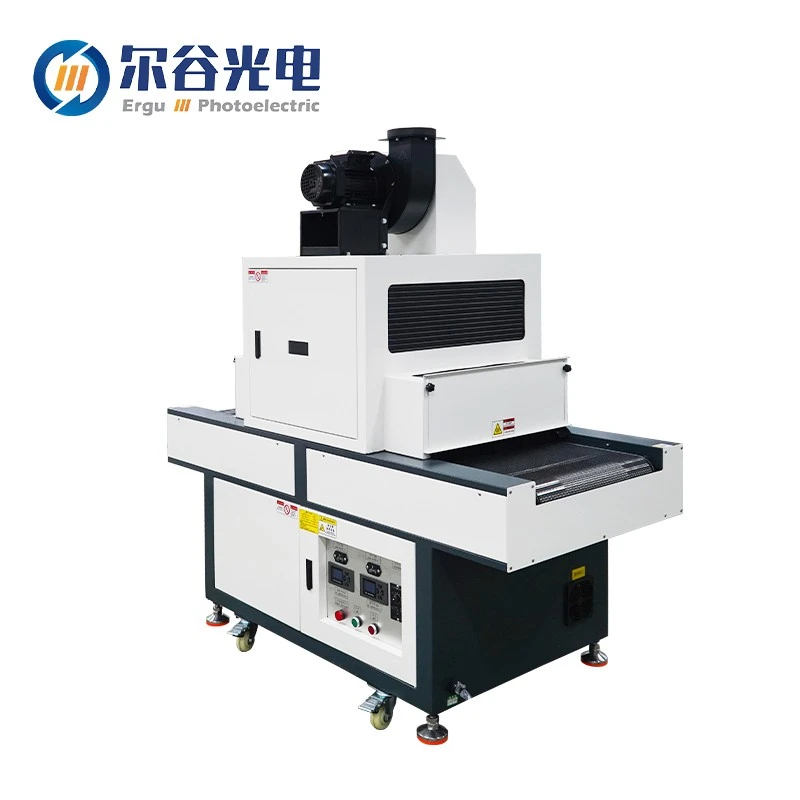
Our company specializes in providing a wide range of UV curing equipment designed to deliver outstanding curing wear resistance. Our UV Curing Machine for Screen Printing is equipped with advanced UV lamp technology that ensures uniform and intense UV radiation across the entire curing area. This allows for a complete and thorough curing of the UV - curable ink, resulting in a high - quality, wear - resistant print.
The UV Drying systems we offer are designed to provide precise control over the curing process. Users can adjust the UV intensity, conveyor speed, and exposure time according to the specific requirements of the UV - curable material and the substrate. This flexibility ensures that the optimal curing conditions are achieved, maximizing the wear resistance of the cured coating.
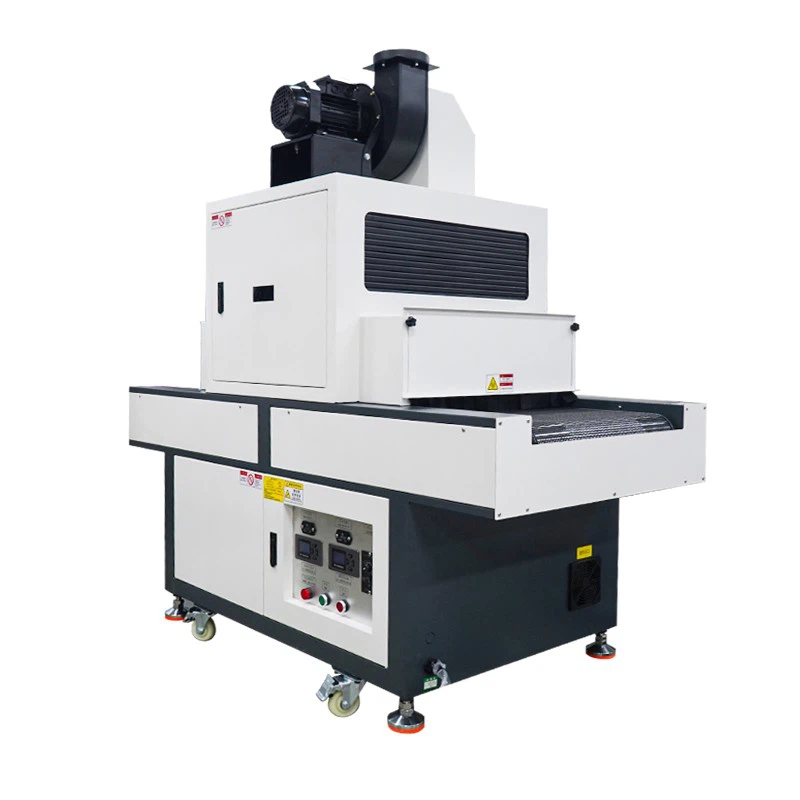
One of our flagship products, the LY500 - 2DZ5K Ultraviolet Dryer, is specifically engineered for high - volume production environments. It features a high - power UV lamp and a robust conveyor system that can handle a variety of substrates. The dryer's intelligent control system allows for real - time monitoring and adjustment of the curing parameters, ensuring consistent and reliable curing results with excellent wear resistance.
Conclusion
Curing wear resistance is an essential property of UV - cured materials, and our UV curing equipment is designed to help you achieve the best possible results. By understanding the factors that affect wear resistance and using our advanced equipment, you can create durable, high - quality products that meet the demands of your customers.
If you're interested in learning more about our UV curing equipment or discussing your specific requirements, we encourage you to contact us for a detailed consultation and procurement discussion. We're committed to providing you with the best solutions for your UV curing needs.
References
- "UV Curing Technology: Principles and Applications" by John Doe
- "Advances in Wear - Resistant Coatings for Industrial Applications" by Jane Smith