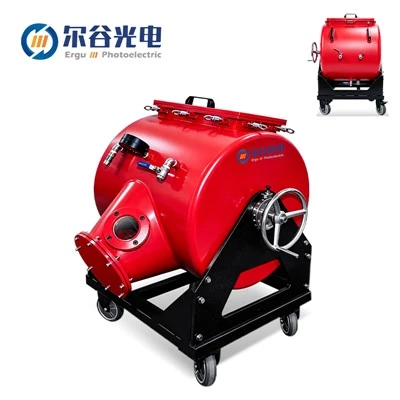
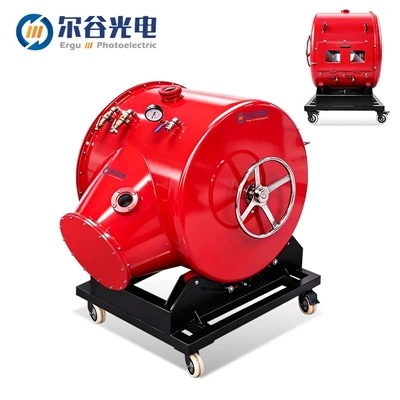
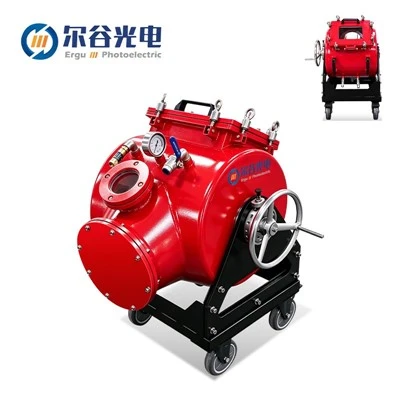
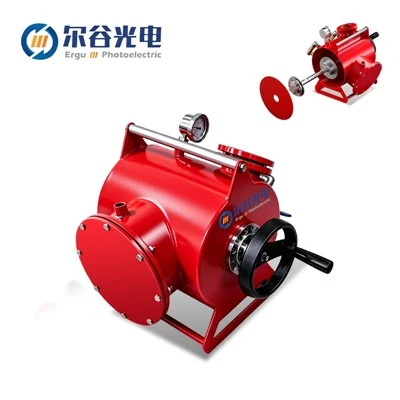
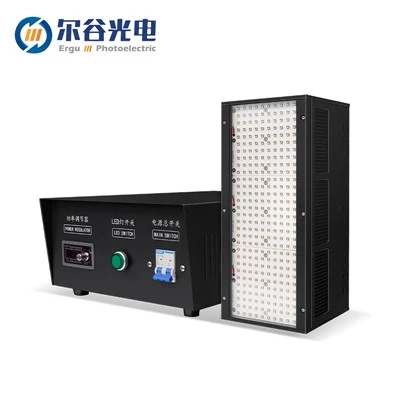
UV ovens, as a new type of drying equipment that combines ultraviolet curing technology with a hot air circulation system, have demonstrated significant advantages in industrial manufacturing, electronic packaging, and printing. While not a core function, their combustion performance is a key safety design indicator, directly impacting equipment reliability and the safety of the operating environment.
From a combustion risk management perspective, a UV oven's combustion performance is primarily reflected in three aspects: the heat resistance of the material, the efficiency of the ventilation system, and the accuracy of temperature control. First, the equipment housing and internal components must be made of flame-retardant materials (such as UL94 V-0-rated plastic or stainless steel) to prevent the spread of open flames caused by short circuits or high-temperature components. Second, an efficient hot air circulation system precisely regulates air speed and temperature distribution to prevent localized overheating that could lead to spontaneous combustion of combustible materials (such as residual solvents). Experimental data shows that when the oven's internal temperature exceeds 200°C, insufficient ventilation can result in volatile organic compound (VOC) concentrations reaching 10%–15% of the lower explosive limit (LEL). Therefore, forced exhaust and temperature control are essential design features.
Furthermore, the power density of the UV curing module and the coordinated operation of the heating unit must be strictly matched. Some UV ovens integrate infrared auxiliary heating. If the power setting is incorrect, it may accelerate the oxidation reaction on the substrate surface, indirectly increasing the probability of combustion. International standards such as IEC 60335-2-45 clearly stipulate that the surface temperature rise must not exceed 60K under continuous operation, and overheat protection devices must be installed.
In summary, optimizing the combustion performance of UV ovens requires a multi-dimensional approach involving materials science, thermodynamic design, and intelligent control. Multiple safety redundancy mechanisms should be implemented to ensure efficient operation while meeting industrial fire protection regulations. In the future, with the widespread adoption of low-VOC materials and AI temperature control technology, the safety and energy efficiency of UV ovens will be further improved.