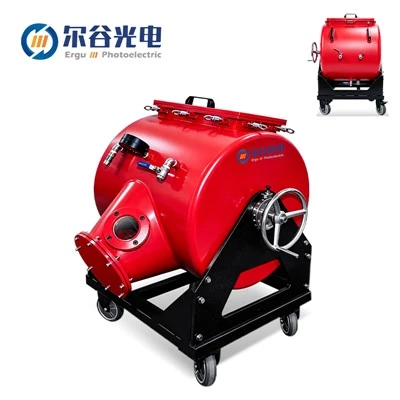
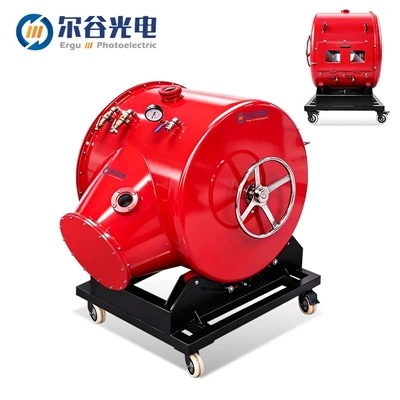
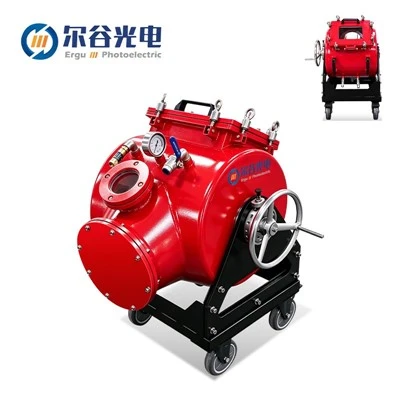
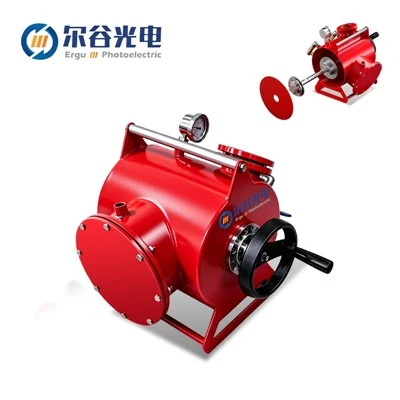
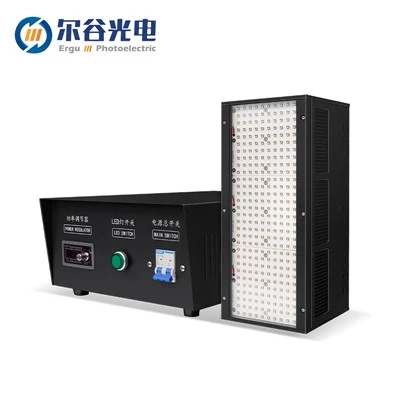
UV ovens are indispensable equipment in modern industry and scientific research. Their unique UV curing technology is widely used in a variety of fields, including coatings, adhesives, and electronic component packaging. Their rigorous and efficient process ensures both improved product quality and production efficiency.
The UV oven process begins with the precise loading of the workpiece to be processed. Operators must place the workpiece steadily on the UV oven's dedicated tray or fixture, based on its characteristics and process requirements, ensuring accurate positioning of the parts without offset or overlap. The oven door is then closed and the vacuum system (if applicable) is activated to remove air from the chamber and create a stable curing environment.
Next, the critical UV curing stage begins. UV ovens use high-energy UV lamps to emit UV light of a specific wavelength directly onto the photosensitive material on the workpiece surface. Under the stimulation of UV light, these materials undergo a photochemical reaction, rapidly transforming from liquid to solid, resulting in rapid curing. During this process, the temperature, humidity, and UV light intensity within the UV oven are precisely controlled to ensure consistent and stable curing results.
After curing, the workpiece must be thoroughly cooled. The UV oven is equipped with an efficient cooling system that uses forced ventilation or water cooling to quickly reduce the workpiece surface temperature to a safe range, preventing deformation or damage caused by thermal stress. Finally, the operator conducts a comprehensive inspection of the curing results. Once confirmed, the workpiece is unloaded, successfully completing the entire UV oven process.
Through this sophisticated process, the UV oven not only achieves efficient and environmentally friendly curing results, but also demonstrates significant advantages in improving product quality and reducing production costs.