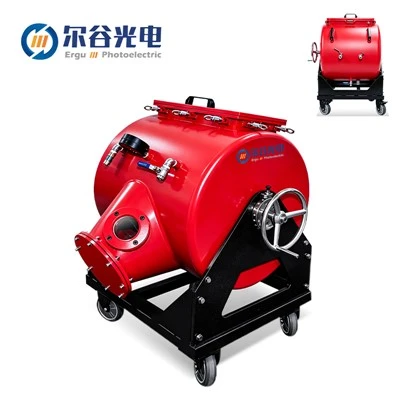
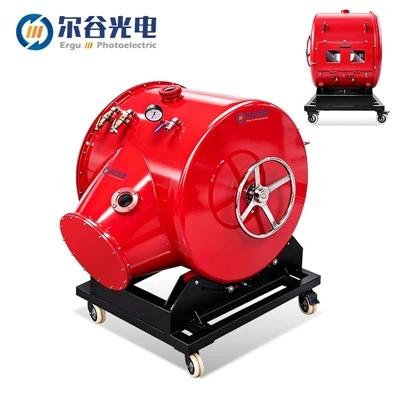
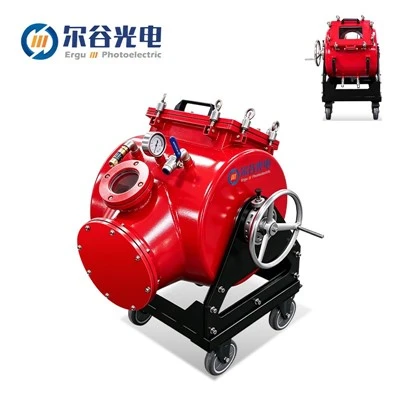
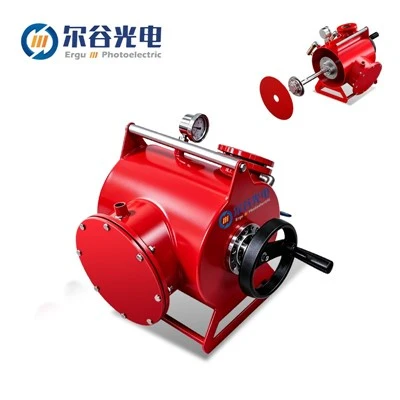
As specialized equipment combining UV curing technology with hot air drying, UV ovens play an irreplaceable role in modern industrial manufacturing, electronic packaging, materials science, and medical device production. Their core value lies in their efficient and precise UV curing and temperature-controlled drying processes, significantly improving product quality, production efficiency, and reducing energy consumption, making them a critical link in many high-precision production processes.
In the electronics and semiconductor industries, UV ovens are widely used for curing UV adhesives for circuit boards, chip packaging, and applying waterproof and dustproof coatings to electronic components. While traditional thermal curing methods are time-consuming and prone to material deformation, UV ovens use short-wavelength ultraviolet light (typically 365nm) to excite photoinitiators, causing the colloid to crosslink within seconds, forming a high-strength, high-temperature-resistant cured layer. This feature not only shortens production cycles but also prevents high-temperature damage to delicate components, making them particularly suitable for the processing of flexible printed circuits (FPCs) and microdevices.
UV ovens are also crucial in the optical materials, coatings, and medical device industries. For example, in the anti-reflective coating process for eyeglass or camera lenses, UV curing ensures uniform coating adhesion and free of residual bubbles. In the curing of dental composites, precise energy control prevents tissue damage caused by overheating. Research institutions also rely on UV ovens for new material development, exploring the curing mechanisms of polymer materials by adjusting UV wavelength and temperature parameters.
With the advancement of industrial automation and green manufacturing, UV ovens are gradually replacing traditional drying technologies due to their low energy consumption and solvent-free (VOC) emissions reduction advantages. Their importance lies not only in improving technical efficiency but also in promoting the implementation of sustainable production models, becoming an indispensable infrastructure for high-end manufacturing.