As a supplier of UV Cured CIPP Liner, I am often asked whether our product can be used for pipes in cold regions. This is a crucial question as the harsh cold climate in these areas presents unique challenges to pipeline rehabilitation materials. In this blog, I will delve into the properties of UV Cured CIPP Liners, the effects of cold regions on pipes and rehabilitation materials, and whether UV Cured CIPP Liners are a viable solution for cold - region pipes.
Properties of UV Cured CIPP Liner
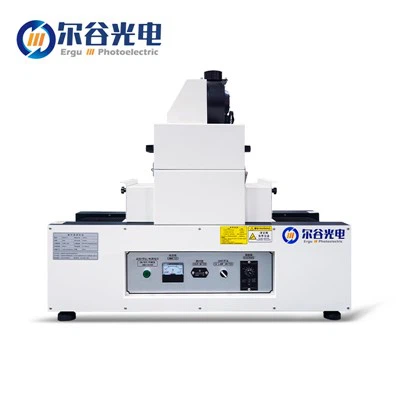
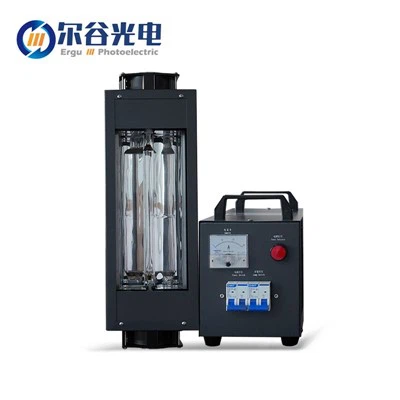
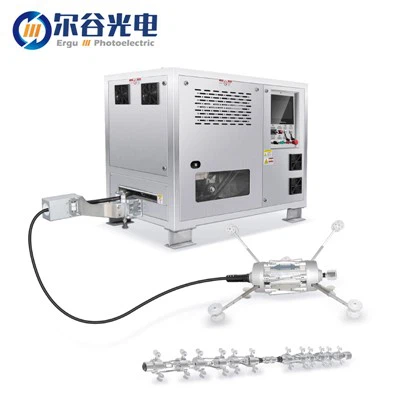
UV Cured CIPP Liners, or UV Cured in Place Pipe liners, are a revolutionary solution for pipeline rehabilitation. Unlike traditional methods that involve extensive excavation, CIPP lining is a trenchless technology. It works by inserting a flexible liner impregnated with a photo - reactive resin into the existing pipe. Once in place, UV light is used to cure the resin, creating a new, seamless pipe within the old one.
One of the key advantages of UV Cured CIPP Liner is its quick curing time. Compared to other CIPP methods that rely on heat or steam for curing, UV curing can be completed in a matter of hours, minimizing disruption to the surrounding environment. Additionally, UV Cured CIPP Liners offer excellent chemical resistance, which is essential for pipes carrying various types of fluids, including wastewater and industrial effluents.
The liner also has high mechanical strength. It is able to withstand internal pressure from the fluid flowing through the pipe and external pressure from the surrounding soil. This strength ensures the long - term integrity of the rehabilitated pipe, reducing the need for frequent repairs.
Challenges Posed by Cold Regions
Cold regions are characterized by extremely low temperatures, which can have a profound impact on pipes and the materials used for their rehabilitation. One of the most significant problems is the freezing of water inside the pipes. When water freezes, it expands, exerting a tremendous amount of pressure on the pipe walls. This can lead to pipe bursts, which are not only costly to repair but can also cause significant damage to the surrounding infrastructure.
Low temperatures can also affect the physical properties of materials. For example, many polymers become more brittle in cold conditions. This means that if a rehabilitation material is not designed to withstand cold temperatures, it may crack or break, compromising the integrity of the rehabilitated pipe.
In addition to the cold itself, cold regions often experience freeze - thaw cycles. During the day, the surface of the ground may thaw slightly, only to refreeze at night. These repeated cycles can cause soil movement, which can put stress on the pipes and any rehabilitation materials.
Can UV Cured CIPP Liner Be Used in Cold Regions?
The answer is yes, but with certain considerations. Our UV Cured CIPP Liner is designed to have a wide range of temperature resistance. The resin used in the liner is formulated to remain flexible even at low temperatures, reducing the risk of cracking due to cold - induced brittleness.
However, special precautions need to be taken during installation in cold regions. First, the installation process should be carefully planned to avoid extreme cold periods. It is best to carry out the installation when the ambient temperature is within an acceptable range. This may require scheduling the work during the warmer parts of the day or during the milder seasons.
Second, the liner and the resin need to be properly stored and transported in cold conditions. They should be kept in a temperature - controlled environment to prevent the resin from becoming too thick or the liner from becoming brittle.
Third, the curing process may need to be adjusted. In cold temperatures, the UV light may need to be applied for a longer period to ensure complete curing of the resin. This is because the chemical reaction that occurs during curing is slower at lower temperatures.
Case Studies
There have been several successful installations of UV CIPP in cold regions. For instance, in a project in Alaska, our UV Cured CIPP Liner was used to rehabilitate a sewage pipe system. The project team followed strict temperature and storage guidelines. They installed the liner during the warmer summer months and used additional heating equipment to maintain the temperature of the resin during the curing process.
After several years, the rehabilitated pipes have shown no signs of damage. The liner has withstood the harsh Alaskan winters, including freeze - thaw cycles and extremely low temperatures. This case study demonstrates that with proper planning and execution, UV Cured CIPP Liners can be a reliable solution for pipe rehabilitation in cold regions.
Advantages of Using UV Cured CIPP Liner in Cold Regions
Despite the challenges, there are several advantages to using UV Cured CIPP Liners in cold regions. Firstly, the trenchless nature of the installation means that there is less disruption to the frozen ground. Excavating in cold regions can be extremely difficult and expensive due to the hard - frozen soil. UV Cured CIPP Liner installation minimizes the need for such excavation, reducing both the cost and the environmental impact.
Secondly, the quick curing time of UV Cured CIPP Liners is a significant advantage. In cold regions, where the construction season is often limited, the ability to complete a pipe rehabilitation project in a short period is crucial. This allows for more efficient use of resources and ensures that the pipes are back in service as soon as possible.
Conclusion
In conclusion, UV Cured CIPP Liners can be used for pipes in cold regions. While the cold climate presents challenges, our product is designed to withstand low temperatures, and with proper installation and curing procedures, it can provide a long - lasting and cost - effective solution for pipe rehabilitation.
If you are in a cold region and are considering pipe rehabilitation, I encourage you to reach out to us for more information. Our team of experts can provide you with detailed advice on how to best use our UV Cured CIPP Liner in your specific situation. We are committed to helping you find the most suitable solution for your pipeline needs. Contact us today to start a discussion about your project.


References
- "Trenchless Technology: A Guide to Pipeline Rehabilitation", ASCE Press.
- Research papers on the performance of CIPP liners in cold climates, Journal of Pipeline Engineering.