Hey there! As a supplier of UV cure equipment, I've seen firsthand how crucial it is to pick the right gear for your specific needs. Whether you're in a small workshop or a large industrial setting, making the wrong choice can lead to all sorts of headaches, from inefficient curing to damaged products. So, let's dive into how you can choose the right UV cure equipment.
Understanding Your Needs
First things first, you gotta figure out what you're trying to achieve. What kind of materials are you working with? Are you curing adhesives, coatings, or inks? Different materials have different curing requirements, and that'll play a big role in what equipment you need.
For example, if you're working with adhesives, you might need a high-intensity UV light to quickly set the glue. On the other hand, if you're curing coatings, you might need a more evenly distributed light source to ensure a smooth finish.
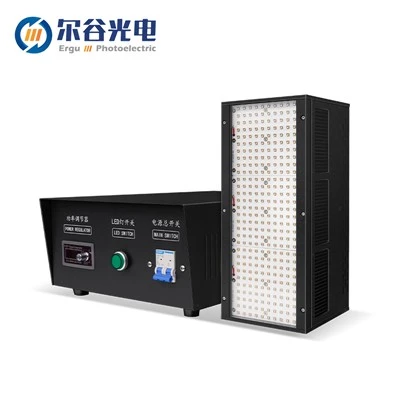
Think about the size of the items you'll be curing. Are they small parts that can fit on a desktop, or are you dealing with large sheets or panels? This will determine the size and type of equipment you need. If you're working with small items, a RX300-1 Desktop Uv Light For Glue Curing Device might be a great option. It's compact and perfect for small-scale operations.
Types of UV Cure Equipment
There are several types of UV cure equipment out there, and each has its own pros and cons. Let's take a look at some of the most common ones.
UV Lamps
UV lamps are one of the most traditional forms of UV cure equipment. They come in different shapes and sizes, from handheld lamps to large overhead fixtures. UV lamps can be either mercury vapor or LED-based.
Mercury vapor lamps have been around for a long time and are known for their high-intensity output. They're great for curing thick coatings or adhesives quickly. However, they do have some drawbacks. They consume a lot of energy, generate a lot of heat, and require a warm-up time.
LED UV lamps, on the other hand, are a more modern option. They're energy-efficient, generate less heat, and have a longer lifespan. They also offer more precise control over the UV output, which can be really useful for delicate applications.
UV Conveyor Systems
If you're working with a large volume of items, a UV conveyor system might be the way to go. These systems use a conveyor belt to move the items through a UV curing chamber. They're great for mass production because they allow for continuous curing.
UV conveyor systems can be customized to fit your specific needs. You can choose the speed of the conveyor, the intensity of the UV light, and the length of the curing chamber. This makes them a very versatile option for a wide range of applications.
Ultraviolet Dryer
An ultraviolet dryer is a specialized piece of equipment designed to quickly dry and cure materials using UV light. It's often used in printing and coating applications.
Ultraviolet dryers can be either batch or continuous. Batch dryers are great for small-scale operations or for curing items that require a specific curing time. Continuous dryers, on the other hand, are better for high-volume production.
UV Drying Equipment
UV drying equipment is a broad term that encompasses a variety of machines used to dry and cure materials using UV light. This can include everything from small handheld devices to large industrial systems.
When choosing UV drying equipment, you need to consider the same factors as with other types of UV cure equipment. Think about the size of the items you'll be drying, the type of materials you're working with, and your production volume.
Factors to Consider
Now that you know about the different types of UV cure equipment, let's talk about some of the other factors you need to consider when making your choice.
Cost
Cost is always a major factor when it comes to buying equipment. You need to consider both the upfront cost of the equipment and the ongoing operating costs. LED UV lamps, for example, might have a higher upfront cost than mercury vapor lamps, but they'll save you money in the long run because they're more energy-efficient.
Safety
UV light can be harmful to your skin and eyes, so safety is a top priority. Make sure the equipment you choose has proper safety features, such as protective shields and interlocks. You should also wear appropriate personal protective equipment, such as gloves and goggles, when working with UV cure equipment.
Ease of Use
You want equipment that's easy to operate and maintain. Look for equipment that comes with clear instructions and has a user-friendly interface. It should also be easy to clean and replace parts if necessary.
Compatibility
Make sure the equipment you choose is compatible with the materials you're working with. Some materials might require a specific wavelength of UV light or a certain intensity level. Check the specifications of the equipment to make sure it meets your requirements.
Making the Right Choice
Choosing the right UV cure equipment can be a daunting task, but if you take the time to understand your needs and consider all the factors, you'll be able to make an informed decision.
Start by making a list of your requirements. Think about the type of materials you're working with, the size of the items you'll be curing, your production volume, and your budget. Then, research the different types of UV cure equipment available and compare their features and prices.
It's also a good idea to talk to other professionals in your industry. They might have some valuable insights or recommendations based on their own experiences.
Once you've narrowed down your options, try to get a demonstration of the equipment. This will give you a chance to see how it works in person and ask any questions you might have.
Conclusion
Choosing the right UV cure equipment is essential for achieving the best results in your curing process. By understanding your needs, considering the different types of equipment available, and taking into account factors like cost, safety, ease of use, and compatibility, you'll be able to make the right choice for your business.
If you have any questions or need more information about our UV cure equipment, don't hesitate to reach out. We're here to help you find the perfect solution for your needs. Contact us today to start the conversation and explore how our equipment can enhance your production process.


References
- "UV Curing Technology: Principles and Applications" by John W. Watts
- "Handbook of Adhesive Technology" edited by Alan S. Abdel - Rahman