Hey there! As a supplier of LED equipment, I often get asked about the heat dissipation performance of our products. It's a crucial aspect that can significantly impact the lifespan and efficiency of LED devices. So, let's dive right in and explore what the heat dissipation performance of LED equipment is all about.
Why Heat Dissipation Matters for LED Equipment
First off, we need to understand why heat dissipation is such a big deal for LED equipment. LEDs, like any other electronic components, generate heat when they're in operation. This heat is a by - product of the electrical energy being converted into light energy. If this heat isn't properly managed, it can lead to a whole bunch of problems.
One of the main issues is a decrease in the efficiency of the LED. As the temperature rises, the LED's light output starts to drop. This means you're not getting as much light as you should for the amount of power you're putting in. Additionally, high temperatures can also reduce the lifespan of the LED. LEDs are designed to last a long time, but excessive heat can cause the internal components to degrade faster, leading to premature failure.
How Heat is Generated in LED Equipment
To understand how to dissipate heat, we first need to know where it comes from. In an LED, heat is primarily generated at the junction, which is the part where the electrical current is converted into light. When electrons and holes recombine at the junction, some of the energy is released as heat instead of light.
The amount of heat generated depends on several factors. The power consumption of the LED is a major one. Higher - power LEDs generally produce more heat. The efficiency of the LED also plays a role. Less efficient LEDs convert more electrical energy into heat rather than light. And the operating conditions, such as the ambient temperature and the duty cycle (how often the LED is turned on and off), can also affect the heat generation.
Heat Dissipation Methods
Now, let's talk about how we can get rid of that unwanted heat. There are several common heat dissipation methods used in LED equipment.
Heat Sinks
Heat sinks are one of the most widely used heat dissipation solutions. A heat sink is a device that absorbs heat from the LED and transfers it to the surrounding air. It usually consists of a metal base, which is in contact with the LED, and a series of fins that increase the surface area for better heat transfer. The metal, often aluminum or copper, has high thermal conductivity, which means it can quickly absorb and spread the heat.
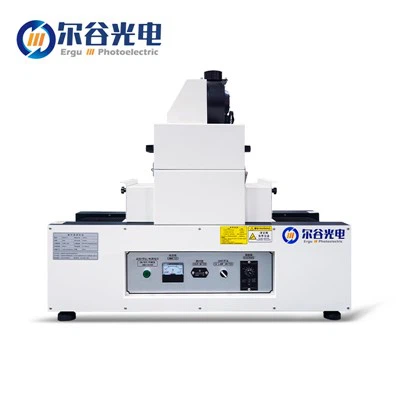
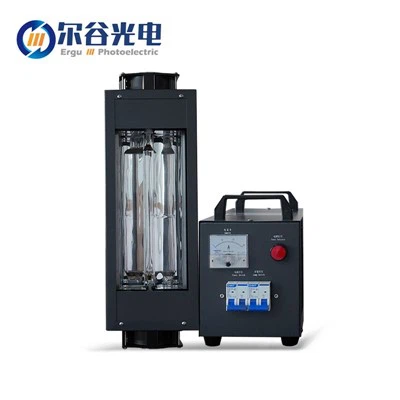
For example, in our High Power UV Curing LED System, we use high - quality aluminum heat sinks. The fins on these heat sinks are carefully designed to maximize the surface area and improve the natural convection of air around them. This helps to keep the LEDs at a safe operating temperature, even when they're running at high power for extended periods.
Fans
Fans are another effective way to enhance heat dissipation. They work by forcing air to flow over the heat sink or directly over the LED. This increases the rate of heat transfer from the heat sink to the air. Fans are particularly useful in applications where natural convection isn't sufficient, such as in enclosed spaces or when the LED equipment is operating in a high - temperature environment.
In our Light Curing Machine, we incorporate fans to ensure optimal heat dissipation. The fans are strategically placed to direct the airflow over the critical components, helping to keep the temperature in check. This not only improves the performance of the LEDs but also reduces the risk of overheating.
Liquid Cooling
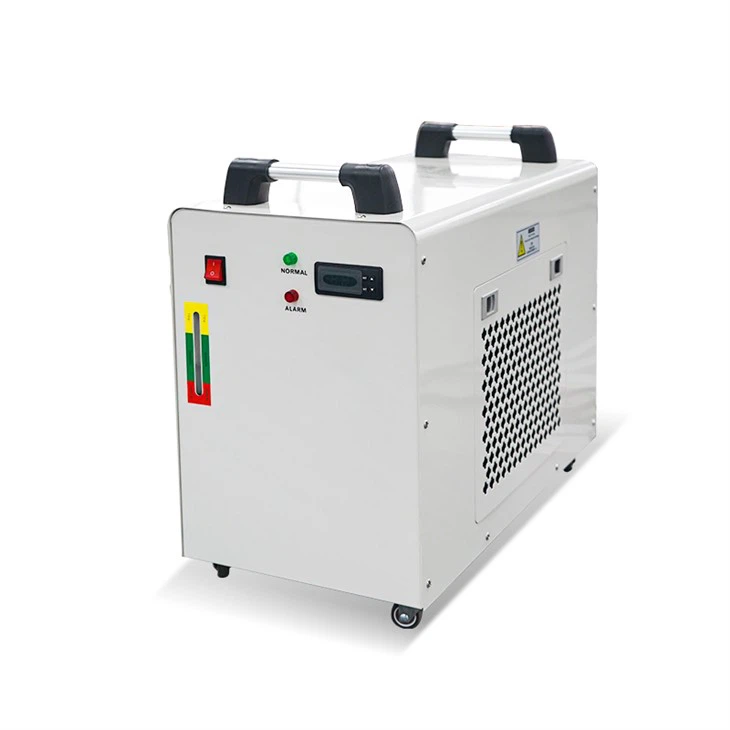
Liquid cooling is a more advanced heat dissipation method. It involves using a liquid, such as water or a special coolant, to absorb heat from the LED and transfer it to a radiator, where it can be dissipated into the air. Liquid cooling is very efficient because liquids have a higher heat capacity than air, which means they can absorb more heat.
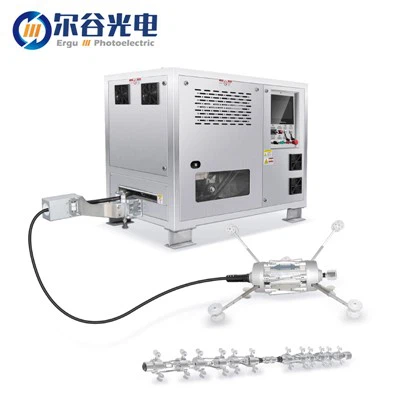
Our UV Resin Cure Light uses a liquid - cooling system in some of its high - end models. The liquid coolant circulates through a series of tubes in contact with the LEDs, absorbing the heat and carrying it away. This allows the LEDs to operate at lower temperatures, even under heavy loads.
Measuring Heat Dissipation Performance
So, how do we know if our heat dissipation methods are working effectively? There are a few key metrics that we use to measure the heat dissipation performance of LED equipment.
Junction Temperature
The junction temperature is the temperature at the heart of the LED, where the light is generated. It's a critical parameter because it directly affects the performance and lifespan of the LED. We use special sensors to measure the junction temperature. By keeping the junction temperature within the recommended range, we can ensure that the LED operates efficiently and lasts a long time.
Thermal Resistance
Thermal resistance is a measure of how well heat can flow through a material or a system. A lower thermal resistance means that heat can be transferred more easily. We calculate the thermal resistance of our heat dissipation systems to evaluate their effectiveness. By reducing the thermal resistance, we can improve the heat transfer from the LED to the surrounding environment.
Temperature Rise
The temperature rise is the difference between the operating temperature of the LED and the ambient temperature. A smaller temperature rise indicates better heat dissipation. We monitor the temperature rise during testing to make sure that our LED equipment can handle different operating conditions without overheating.
Our Commitment to Good Heat Dissipation
As a supplier of LED equipment, we take heat dissipation very seriously. We invest a lot of time and resources in researching and developing the best heat dissipation solutions for our products. Our engineering team is constantly working on improving the design of our heat sinks, fans, and liquid - cooling systems to ensure optimal performance.
We also conduct rigorous testing on all our products to make sure they meet our high standards for heat dissipation. We test our LED equipment under different operating conditions, including high - temperature environments and long - term continuous use, to ensure that they can handle real - world scenarios.
Contact Us for Your LED Equipment Needs
If you're in the market for LED equipment, whether it's a High Power UV Curing LED System, a Light Curing Machine, or a UV Resin Cure Light, we've got you covered. Our products are designed with excellent heat dissipation performance in mind, which means you can expect long - lasting, efficient, and reliable operation.
If you have any questions or want to discuss your specific requirements, don't hesitate to reach out. We're here to help you find the perfect LED solution for your needs. Let's start a conversation and see how we can work together to meet your LED equipment needs.
References
- "LED Lighting Handbook" by John C. Lin, et al.
- "Thermal Management of Electronic Systems" by Avram Bar - Cohen and Donald P. Kennedy.