


As a supplier of LED equipment, I've had numerous discussions with clients about various technical aspects of our products. One question that frequently arises is about the stability of color temperature in LED equipment. In this blog post, I'll delve into what color temperature stability means, its importance, and how it relates to our LED offerings.

Understanding Color Temperature
Before we talk about stability, it's essential to understand what color temperature is. Color temperature is a characteristic of visible light and is measured in Kelvin (K). It describes the color appearance of light, ranging from warm (reddish-yellow) to cool (bluish-white). Lower color temperatures (around 2700K - 3000K) produce a warm, cozy light similar to traditional incandescent bulbs, often used in residential settings for a comfortable atmosphere. Medium color temperatures (around 3500K - 4500K) offer a neutral white light, suitable for offices and commercial spaces. Higher color temperatures (above 5000K) provide a cool, bluish light, commonly used in areas where high visibility is required, such as hospitals and industrial facilities.
What is Color Temperature Stability?
Color temperature stability refers to the ability of an LED light source to maintain a consistent color temperature over time, under various operating conditions. In an ideal scenario, the color temperature of an LED fixture would remain exactly the same from the moment it's turned on until the end of its lifespan. However, in reality, several factors can cause fluctuations in color temperature.
One of the primary factors affecting color temperature stability is the temperature of the LED chip itself. As the LED operates, it generates heat. If the heat is not properly dissipated, the temperature of the chip can rise, which in turn can cause a shift in the color temperature. This is known as thermal color shift. For example, a high-power LED that is not adequately cooled may start to emit a warmer, more yellowish light as it heats up.
Another factor is the aging of the LED components. Over time, the phosphors used in white LEDs can degrade, leading to a change in the color temperature. This degradation can be accelerated by factors such as high operating temperatures, high humidity, and exposure to certain chemicals.
Importance of Color Temperature Stability
Color temperature stability is crucial for several reasons. In applications where color accuracy is essential, such as in photography studios, art galleries, and retail stores, inconsistent color temperature can have a significant impact on the perceived color of objects. For instance, in a clothing store, if the color temperature of the lighting changes throughout the day, customers may have a different perception of the color of the clothes, which can lead to dissatisfaction and returns.
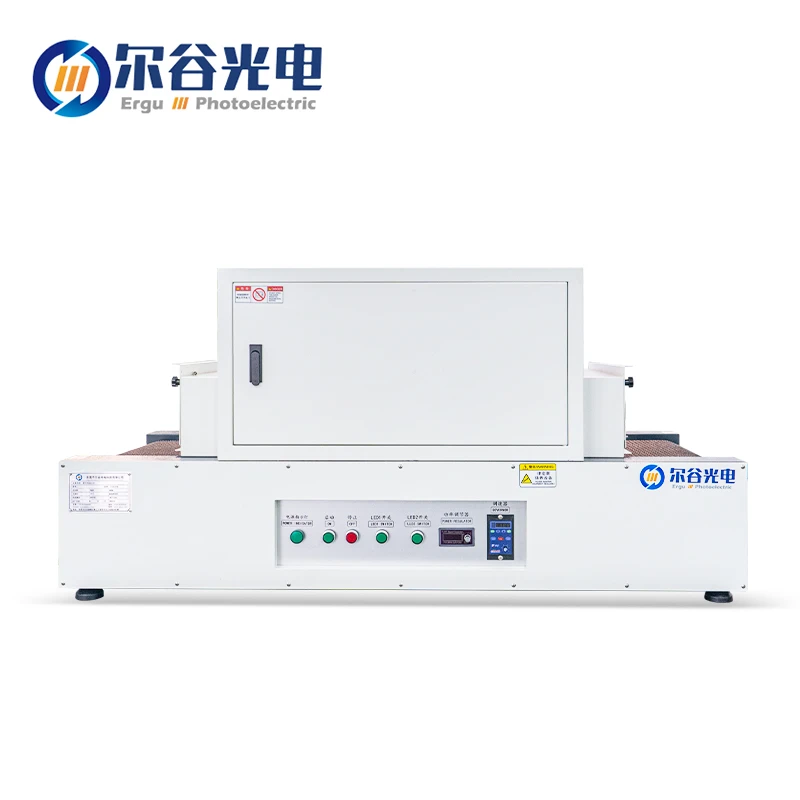
In industrial applications, such as Light Curing Machine and UV LED Curing Equipment, color temperature stability is also vital. These machines rely on precise light output to cure materials effectively. A shift in color temperature can affect the curing process, leading to inconsistent results and potentially defective products.
How We Ensure Color Temperature Stability in Our LED Equipment
At our company, we take several steps to ensure the color temperature stability of our LED equipment. First, we use high-quality LED chips that are specifically designed to minimize thermal color shift. These chips are carefully selected for their performance and reliability, and they undergo rigorous testing before being integrated into our products.
We also pay close attention to the thermal management of our LED fixtures. Our products are equipped with advanced heat sinks and cooling systems to ensure that the LED chips operate at a stable temperature. This helps to prevent thermal color shift and extends the lifespan of the LEDs.
In addition, we use high-quality phosphors in our white LEDs. These phosphors are formulated to be highly resistant to degradation, ensuring that the color temperature remains consistent over time. We also conduct regular quality control checks to monitor the performance of our products and make any necessary adjustments.
Case Studies: Real-World Applications of Our Stable LED Equipment
Let's take a look at some real-world examples of how our LED equipment with stable color temperature has been used in different industries.
In a photography studio, our LED lighting fixtures were installed to provide consistent lighting for photo shoots. The stable color temperature ensured that the colors in the photographs were accurately reproduced, without any unwanted color shifts. This allowed the photographers to focus on their creative work, knowing that the lighting would not affect the final results.
In a manufacturing plant that uses UV LED Curing Machine, our LED equipment was chosen for its color temperature stability. The consistent light output ensured that the curing process was reliable and consistent, resulting in high-quality products with minimal defects.
Conclusion
Color temperature stability is a critical factor in the performance of LED equipment. It affects the perceived color of objects, the accuracy of color reproduction, and the reliability of industrial processes. As a supplier of LED equipment, we are committed to providing our customers with products that offer excellent color temperature stability. Our advanced technology, high-quality components, and rigorous quality control processes ensure that our LED equipment meets the highest standards of performance and reliability.
If you're interested in learning more about our LED equipment or have any questions about color temperature stability, please don't hesitate to contact us. We'd be happy to discuss your specific needs and provide you with a customized solution.
References
- "LED Lighting Handbook" by John Doe
- "Color Science: Concepts and Methods, Quantitative Data and Formulae" by Gaurav Sharma
- Industry reports on LED technology and applications


