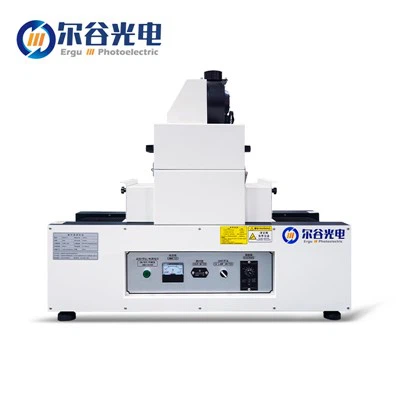
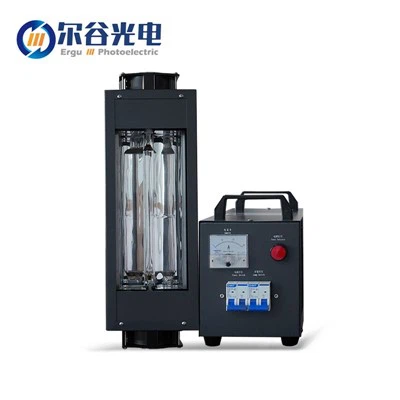
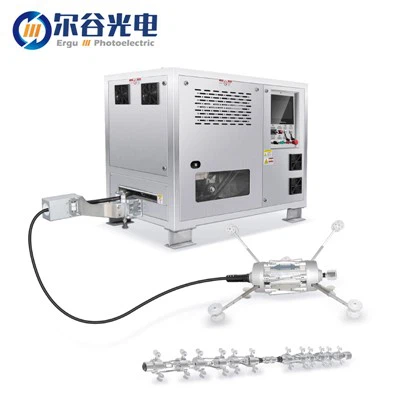
Hey there! As a supplier of UV Glue Curing Lamps, I've seen firsthand how crucial it is to control the temperature of these lamps during operation. If the temperature isn't right, it can lead to all sorts of problems, like uneven curing, reduced lamp lifespan, and even damage to the materials you're working with. So, in this blog post, I'm gonna share some tips on how to keep that temperature in check.
Why Temperature Control Matters
First off, let's talk about why temperature control is such a big deal. UV glue curing lamps work by emitting ultraviolet light, which triggers a chemical reaction in the glue, causing it to harden. But this process generates heat, and if the temperature gets too high, it can have some negative effects.
For one thing, excessive heat can cause the glue to cure too quickly on the surface, while the inside remains uncured. This can lead to a weak bond and a less durable finished product. On top of that, high temperatures can also damage the lamp itself. The components inside the lamp are designed to operate within a certain temperature range, and if that range is exceeded, it can cause premature failure and reduce the lamp's lifespan.
Factors Affecting Lamp Temperature
Before we dive into how to control the temperature, let's take a look at some of the factors that can affect it.
- Power Output: The higher the power output of the lamp, the more heat it will generate. So, if you're using a high-powered lamp, you'll need to be extra careful about temperature control.
- Ambient Temperature: The temperature of the surrounding environment can also have an impact on the lamp's temperature. If it's hot outside or in the room where the lamp is being used, the lamp will have a harder time dissipating heat.
- Ventilation: Proper ventilation is essential for keeping the lamp cool. If the lamp is enclosed in a tight space with poor ventilation, the heat will build up and cause the temperature to rise.
- Operating Time: The longer the lamp is in operation, the more heat it will generate. So, if you're using the lamp for extended periods, you'll need to take breaks to allow it to cool down.
Tips for Controlling Lamp Temperature
Now that we know what affects the lamp's temperature, let's talk about some ways to control it.
1. Choose the Right Lamp
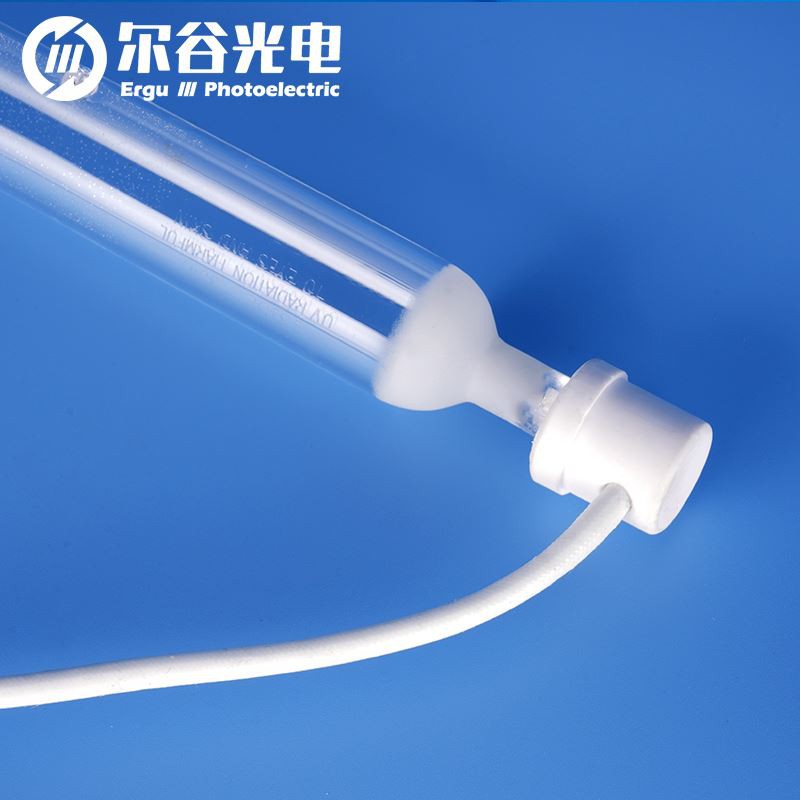
The first step in controlling the temperature is to choose the right lamp for your needs. Make sure you select a lamp with a power output that's appropriate for the size and type of materials you'll be curing. If you're not sure which lamp to choose, don't hesitate to reach out to us. We're here to help you find the perfect solution for your application.

2. Provide Adequate Ventilation
As I mentioned earlier, proper ventilation is crucial for keeping the lamp cool. Make sure the lamp is installed in a well-ventilated area, and consider using a fan or other ventilation system to help dissipate heat. You can also look for lamps that are designed with built-in ventilation features, such as cooling fins or fans.
3. Monitor the Temperature
It's important to monitor the temperature of the lamp during operation to make sure it stays within the recommended range. You can use a temperature sensor or infrared thermometer to measure the temperature of the lamp's surface or the surrounding air. If the temperature starts to get too high, take steps to cool it down, such as turning off the lamp or increasing the ventilation.
4. Use a Heat Sink
A heat sink is a device that helps to dissipate heat from the lamp. It works by transferring the heat from the lamp to a larger surface area, where it can be more easily dissipated into the surrounding air. You can purchase a heat sink specifically designed for UV glue curing lamps, or you can make your own using materials like aluminum or copper.
5. Take Breaks
If you're using the lamp for extended periods, it's important to take breaks to allow it to cool down. This will help to prevent the temperature from getting too high and reduce the risk of damage to the lamp. You can set a timer to remind you to take breaks, or you can simply take a break whenever you notice that the lamp is starting to get hot.
Conclusion
Controlling the temperature of a UV glue curing lamp during operation is essential for ensuring optimal performance and longevity. By following the tips outlined in this blog post, you can keep your lamp cool and avoid the problems associated with overheating.
If you're in the market for a UV Glue Curing Lamp or have any questions about temperature control, don't hesitate to reach out to us. We're a leading supplier of UV Light Curing Lamp, UV Ink Curing Lamp, and UV Glue Curing Lamp, and we're here to help you find the perfect solution for your needs.
References
- "UV Curing Technology: Principles and Applications" by Dr. John W. Bires
- "Temperature Management in UV Curing Systems" by the International Ultraviolet Association